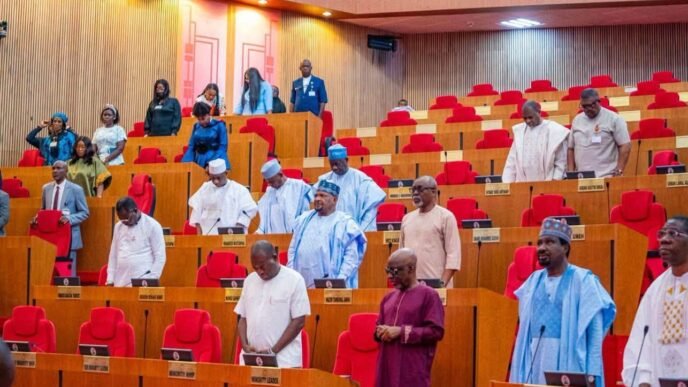
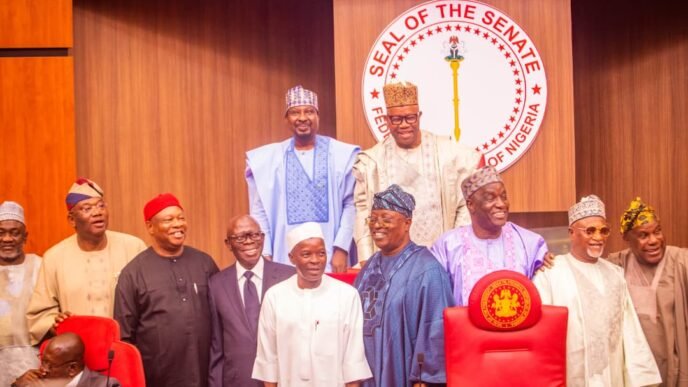
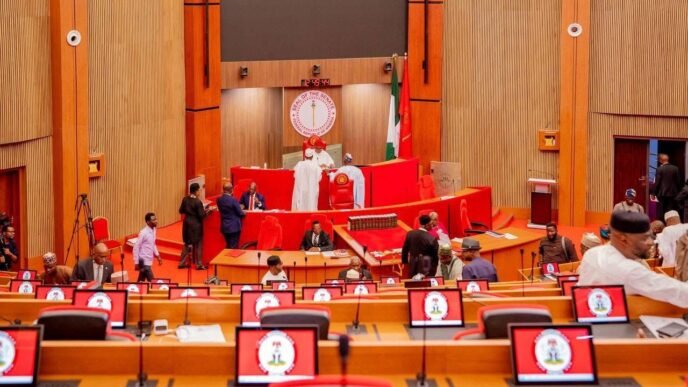
A bill aimed at replacing the Electoral Act 2022 with a new Electoral Bill 2025 successfully passed its second reading in the Senate on Wednesday, 22nd October, 2025. A week prior, the Senate had decided to pause the bill to facilitate wider consultations and a more thorough examination of its contents following an in-depth discussion on its core principles.
Senate Majority Leader Opeyemi Bamidele indicated on October 14 that amendments to the Electoral Act 2022 are expected to be finalized by December 2025 at the latest.
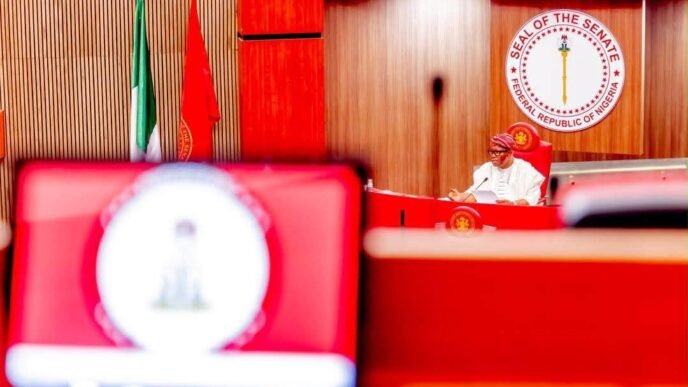
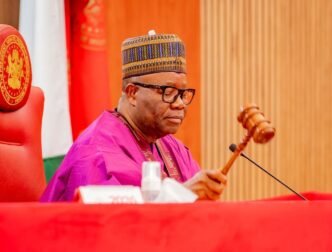
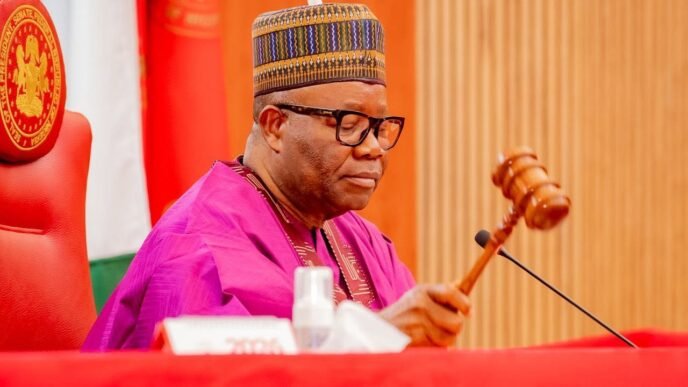
Senate President Godswill Akpabio announced the bill’s passage during Wednesday’s plenary session after a majority of senators endorsed it through a voice vote. He emphasized the need for increased transparency within Nigeria’s electoral processes, asserting that “INEC must be held accountable, as they manage electoral materials. Although there have been improvements, further action is required.”
Following the Senate’s decision, the bill was sent to the Senate Committee on Electoral Matters for detailed review and a public hearing. Chaired by Senator Simon Lalong of Plateau South, the committee was tasked with reporting back within two weeks. Lalong, who introduced the bill, explained that its purpose is to strengthen the legal framework governing elections in Nigeria.
He noted that while the Electoral Act 2022 initiated several significant reforms, it also revealed various shortcomings, such as delays in the disbursement of election funds, disputes regarding the voter registry, conflicting interpretations concerning result transmission, and ineffective enforcement of electoral offenses. He stated that the new bill aims to bolster the independence of the Independent National Electoral Commission (INEC), shielding it from political interference and government influence.
Key Contributions from Lawmakers:
Senator Abdul Ningi from Bauchi Central remarked that the bill would enhance citizen participation and transparency. He emphasized the importance of initiatives that add value to the electoral system to better reflect democracy.
Adamu Aliero from Kebbi North underscored the necessity of eliminating inconsistencies within the system to ensure that electoral outcomes genuinely reflect the populace’s will, noting frustrations with electoral intimidation and violence.
Orji Kalu, representing Abia North, called for clearer definitions of security agencies’ roles during elections, highlighting public dissatisfaction with ongoing legal disputes post-elections.
Tahir Munguno, Senate Chief Whip and Senator for Borno North, stressed the importance of transparent party primaries for credible elections, while Agom Jarigbe from Cross River North recognized the legislation as a pivotal moment for Nigerian democracy.
Olalere Oyewunmi, Deputy Minority Leader and senator for Osun West, urged for harsher penalties for electoral offenders, advocating that effective deterrents are crucial for upholding electoral integrity.
Ali Ndume from Borno South pointed out the urgent need to revise the electoral framework to rebuild public confidence in the electoral process, echoing sentiments from constituents about the necessity for reform.
Seriake Dickson from Bayelsa West affirmed that the sustainability of Nigeria’s democracy hinges on the credibility of its elections, stressing that failure in this regard undermines democratic principles.
Comprehensive Amendments Proposed:
The proposed revisions advocate for mandatory electronic voting and result transmission, early voting for essential workers, and the introduction of alternative identification methods like the national identification number (NIN) and passports in place of the permanent voter card (PVC). Other enhancements include provisions for diaspora voting, the establishment of an Electoral Offences Commission, and greater operational independence for INEC.
The objective of these amendments is to restore public trust, modernize Nigeria’s electoral practices, and ensure that every vote holds value in future elections. On October 6, Senator Enyinnaya Abaribe from Abia South noted that the Nigerian judiciary has not adapted adequately to the technological advancements implemented by the electoral body, attributing system issues more to judicial interpretations than to technological flaws.