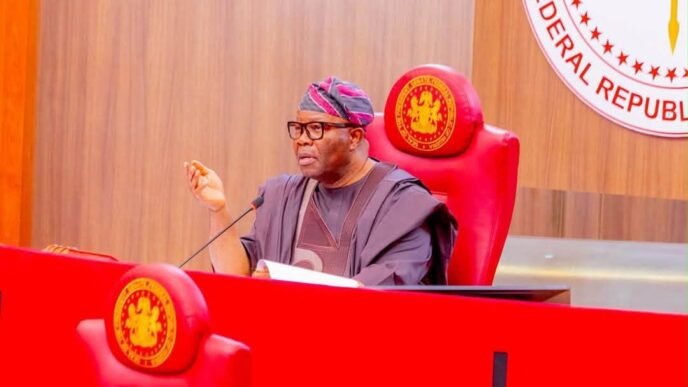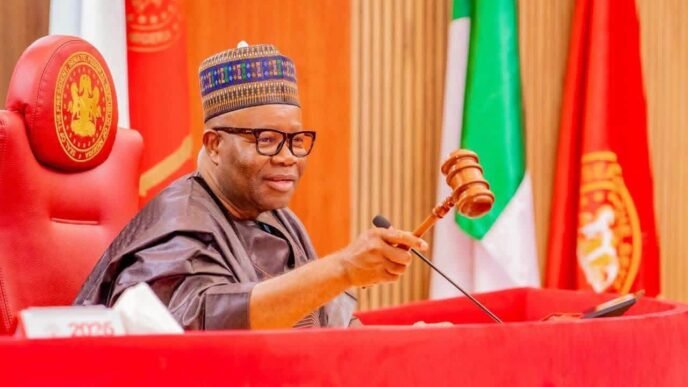
The Speaker of the House of Representatives, Rt. Hon. Abbas Tajudeen, has issued a strong call for the transformation of the ECOWAS Parliament from a purely consultative body into a robust legislative institution.
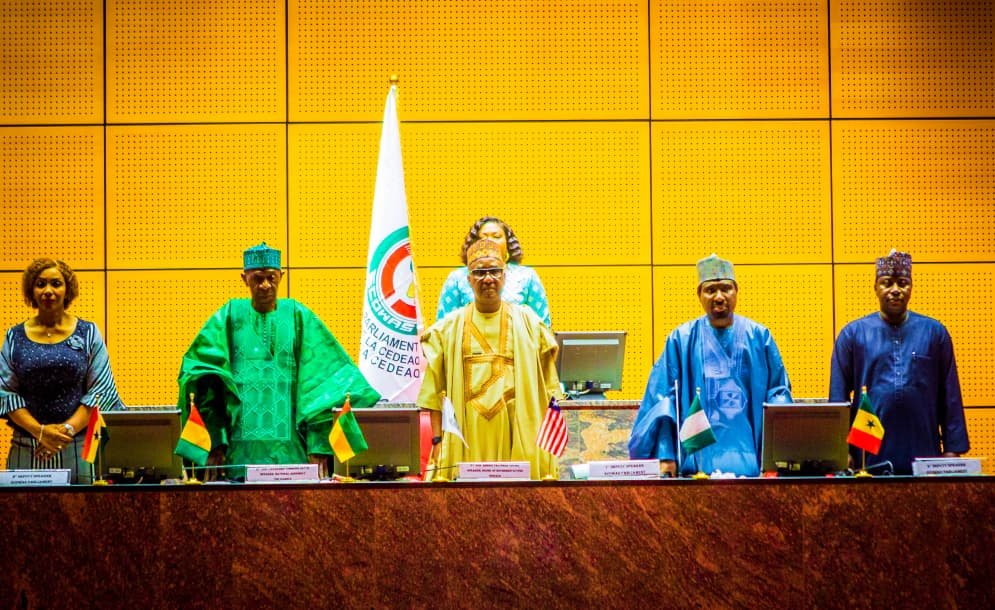
Speaking at the opening of the First Ordinary Session of the ECOWAS Parliament for 2026 in Abuja on Monday, Abbas argued that the current advisory mandate of the regional assembly is no longer sufficient to address the existential threats facing West Africa.
Abbas emphasized that granting the parliament enhanced oversight and legislative authority is not merely a procedural goal but a “strategic necessity” for regional stability. He noted that the sub-region is currently grappling with a “defining moment” characterized by democratic reversals, security pressures, and economic volatility.
“A parliament with limited influence cannot adequately respond to a region facing democratic reversals and economic uncertainty,” Abbas stated.
He argued that an empowered legislature would serve as a “stronger democratic anchor,” helping to align regional governance with the actual expectations of West African citizens.
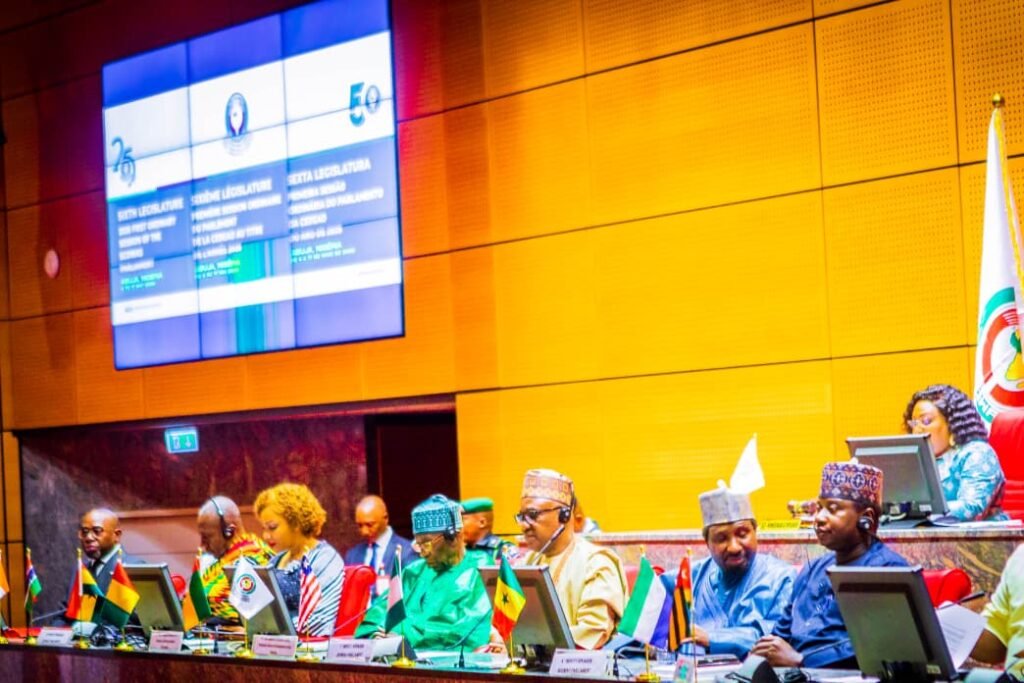
The Speaker’s remarks come at a time when the bloc is struggling with a wave of unconstitutional changes of government and a decline in public trust in democratic institutions. Abbas observed that while citizens across the region consistently reject military rule, their patience with democratic systems is being tested by poor governance outcomes.
“The issue is whether democratic systems are delivering sufficiently to sustain that preference,” he said, adding that security, economic stability, and fairness are the primary benchmarks by which citizens judge a state’s credibility.
The Speaker of the ECOWAS Parliament, Memounatou Ibrahima, echoed these sentiments, urging member states to remain steadfast in defending democracy.
Ibrahima described the current session as a “decisive turning point” for the community. She called for bold resolutions that would fulfill the promise of a more visible and effective regional integration for the people of West Africa.
The call for increased powers for the ECOWAS Parliament is part of a long-standing debate within the bloc. Currently, members of the ECOWAS Parliament are seconded from the national assemblies of their respective home countries.
Proponents of reform, including Abbas and other regional leaders, have advocated for direct universal suffrage – allowing West African citizens to elect their regional representatives directly. Advocates argue this move would provide the parliament with the electoral legitimacy required to exercise full legislative authority and provide meaningful oversight of the ECOWAS Commission.