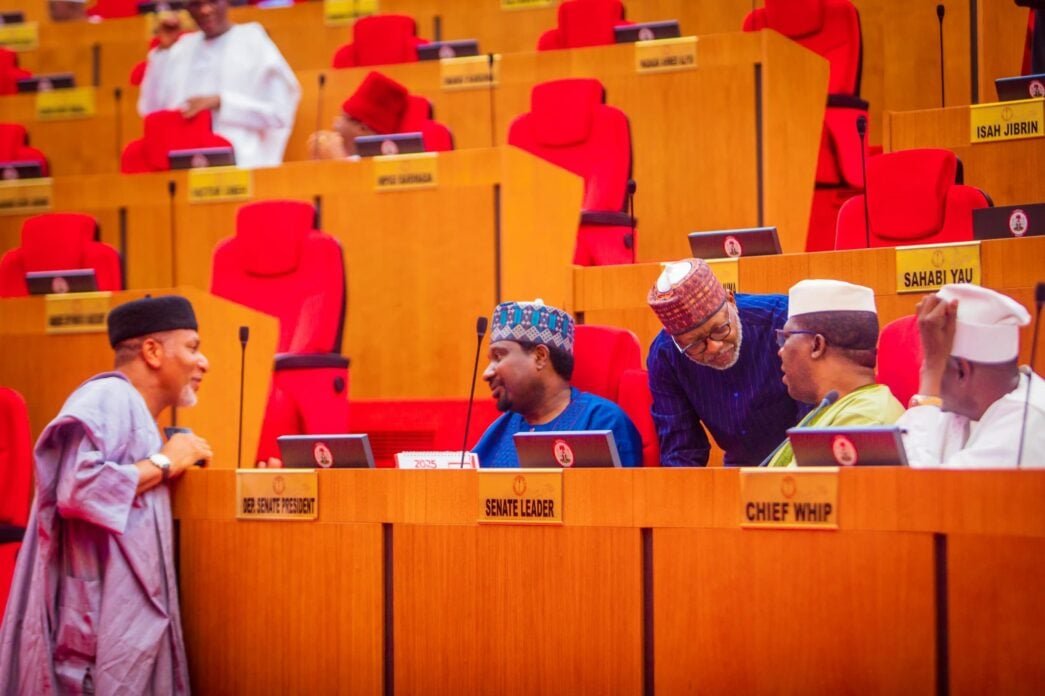
The Senate has formally defended the federal government’s proposed ₦58.47 trillion 2026 Appropriation Bill, characterizing deficit financing as an “inevitable” necessity to meet Nigeria’s vast security, infrastructure, and social obligations.
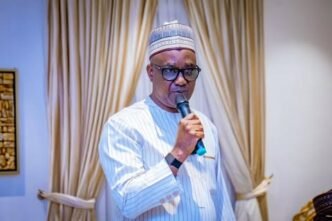
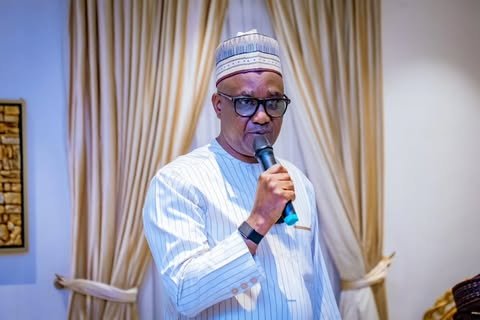
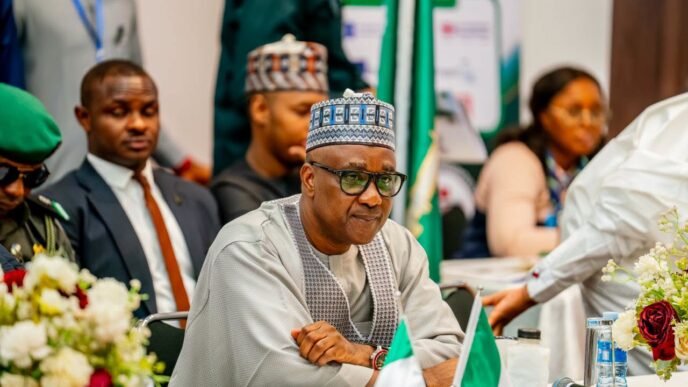
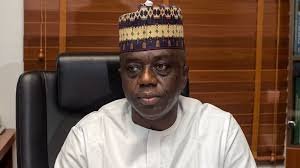
During a public hearing held by the National Assembly, the Chairman of the Senate Committee on Appropriations, Senator Solomon Adeola, emphasized that while the ₦25.91 trillion deficit is substantial, the legislative focus has shifted from the act of borrowing to the efficiency of resource utilization.
Senator Adeola noted that with projected revenues at ₦33.19 trillion and debt servicing estimated at ₦15.90 trillion, the nation must bridge the gap through a strategic mix of external financing, asset sales, and Public-Private Partnerships (PPPs).
“Nigeria cannot help but continue borrowing because revenue inflows are unpredictable and development needs are enormous,” Adeola stated. “What matters is how we borrow… and ensuring we move away from wasteful, consumption-driven deficits.”
To safeguard the economy, the Senate highlighted several key policy shifts for the 2026 fiscal year:
- Power Subsidy Exit: A call for the total removal of electricity subsidies to free up funds for critical development.
- Fiscal Discipline: A firm declaration that the National Assembly will no longer grant extensions for budget implementation cycles.
- Private Sector Protection: A commitment to avoiding excessive domestic borrowing to prevent “crowding out” private credit.
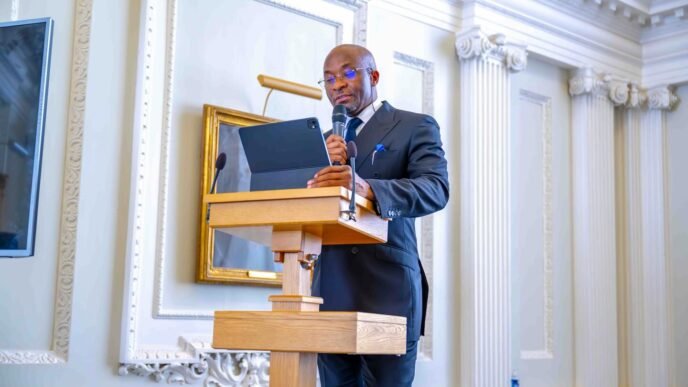
The hearing also featured a plea from the Minister of Industry, Trade and Investment, Mrs. Jumoke Oduwole, who warned that the proposed ₦2.72 billion capital allocation for her ministry is “grossly inadequate.”

Minister Oduwole argued that such limited funding threatens the federal government’s “Renewed Hope Agenda” and the goal of achieving a $1 trillion economy. Despite budget constraints, she reported a significant rise in capital importation, reaching $21 billion in the first ten months of 2025, a sharp increase from $12 billion in 2024.
Representing Senate President Godswill Akpabio, Deputy Senate President Barau Jibrin described the 2026 budget as a “moral document” that must reveal the nation’s true priorities. This sentiment was echoed by the Accountant General of the Federation, Shamseldeen Olujimi, who urged a shift from “allocation-driven” budgeting to “impact-focused” implementation, measuring success by tangible outcomes like job creation and reliable power.
The Senate Committee assured the public that all spending, including service-wide votes, remains under strict legislative oversight. Ministries, Departments, and Agencies (MDAs) have been warned that failure to adequately defend their proposals will result in the immediate reallocation of funds.