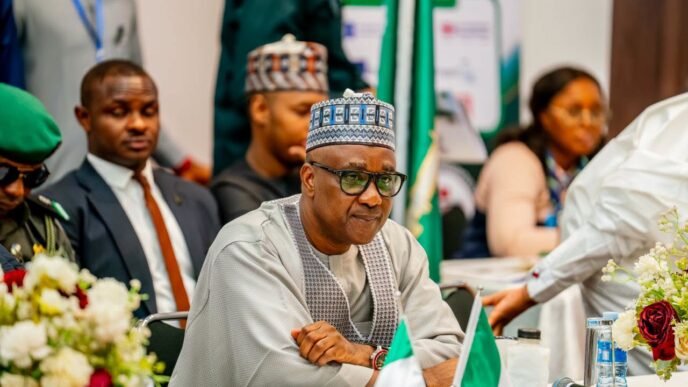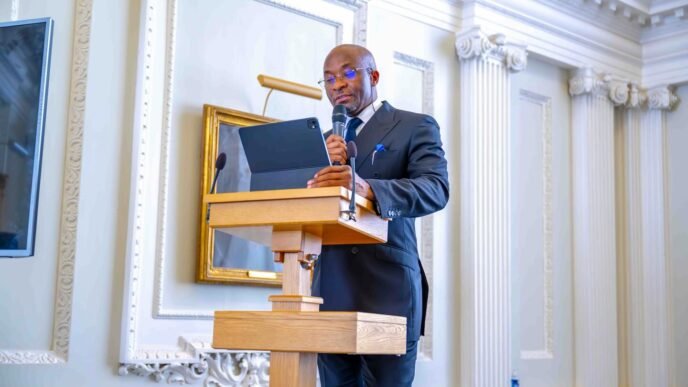

The Senate Committee on Environment has called for a radical shift in how Nigeria’s environmental challenges are funded, labeling current annual appropriations as “very inadequate” to protect the nation from ecological disaster.
The call was made by the Committee Chairman, Senator Olubiyi Fadeyi, during the 2026 budget defense session held on Thursday. Addressing officials from the Federal Ministry of Environment, Senator Fadeyi emphasized that the scale of erosion, coastal flooding, and land degradation across the country far outstrips the current financial resources provided to the Ministry.
Senator Fadeyi outlined a comprehensive list of environmental threats requiring immediate, high-level funding, including:
- Erosion and Coastal Flood Mitigation: Protecting vulnerable shorelines and reclaiming lost land.
- Pollution Control: Enhancing enforcement tools and clean-up technology, particularly regarding oil pollution.
- Forest Protection: Safeguarding biodiversity and meeting international climate-related guidelines.
- Environmental Health: Tackling drainage mitigation and urban pollution to improve public well-being.
“We must focus on solutions that protect our lands and the environment,” Senator Fadeyi stated. “Ensuring the release of appropriated funds is critical. This Committee remains committed to transparency and accountability to deliver a cleaner, safer, and more resilient Nigeria.”
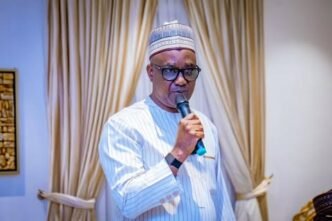
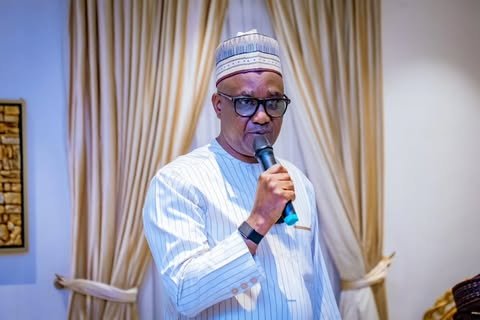
The Minister of Environment, Mr. Balarabe Lawal, noted that the 2026 budget proposal is a “roll-over” of critical 2025 projects, strictly aligned with President Bola Tinubu’s administration priorities. These include:
- Food Security: Protecting agricultural land from degradation and erosion.
- Sustainable Energy: Implementing solar-powered boreholes and street lighting nationwide.
- Disaster Management: Controlling aggressive flooding, particularly in the northern regions of Nigeria.
The Senate Committee further stressed the importance of Nigeria meeting its global environmental obligations. Senator Fadeyi noted that by fulfilling these commitments, Nigeria can unlock vital international climate finance and strengthen global partnerships, providing a secondary stream of support beyond the national budget.
The Ministry confirmed it is still awaiting the release of funds for several 2025 capital projects, a delay that the Senate Committee promised to address to ensure the 2026 goals are met without similar bottlenecks.