The Senate Committee on Judiciary, Justice, and Human Rights expressed grave concern on Wednesday following revelations that the Federal Ministry of Justice was unable to execute a single capital project throughout the 2025 fiscal year. Lawmakers labeled the development “dangerous” to the nation’s justice delivery system.
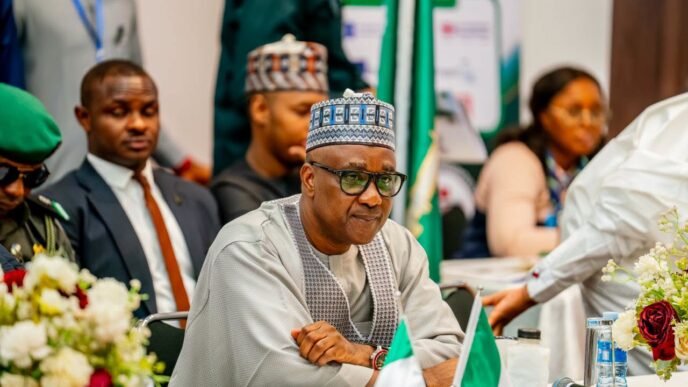
The disclosure was made by the Attorney-General of the Federation (AGF) and Minister of Justice, Mr. Lateef Fagbemi, SAN, during a budget defense session for the ministry’s 2026 estimates.
Minister Fagbemi revealed that although the ministry was issued a warrant for ₦869.63 million representing only 12% of its ₦6.749 billion capital budget for 2025.
The funds were never cash backed by the treasury. This resulted in zero funding for critical infrastructure and developmental projects.
“Most regrettably, even the 12% was not cash-backed; hence, the ministry received no funding for its 2025 capital projects,” the AGF stated, noting that the critical nature of the ministry’s mandate requires it to be accorded priority status.
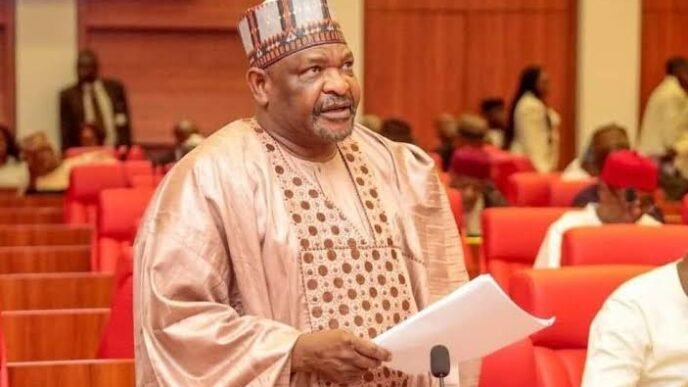
Committee members reacted sharply to the funding failure. Senator Osita Izunaso questioned how a key ministry was expected to function for an entire year without capital releases, stating, “Delay is dangerous, especially where it affects the justice sector. Bureaucratic bottlenecks should not apply here”.
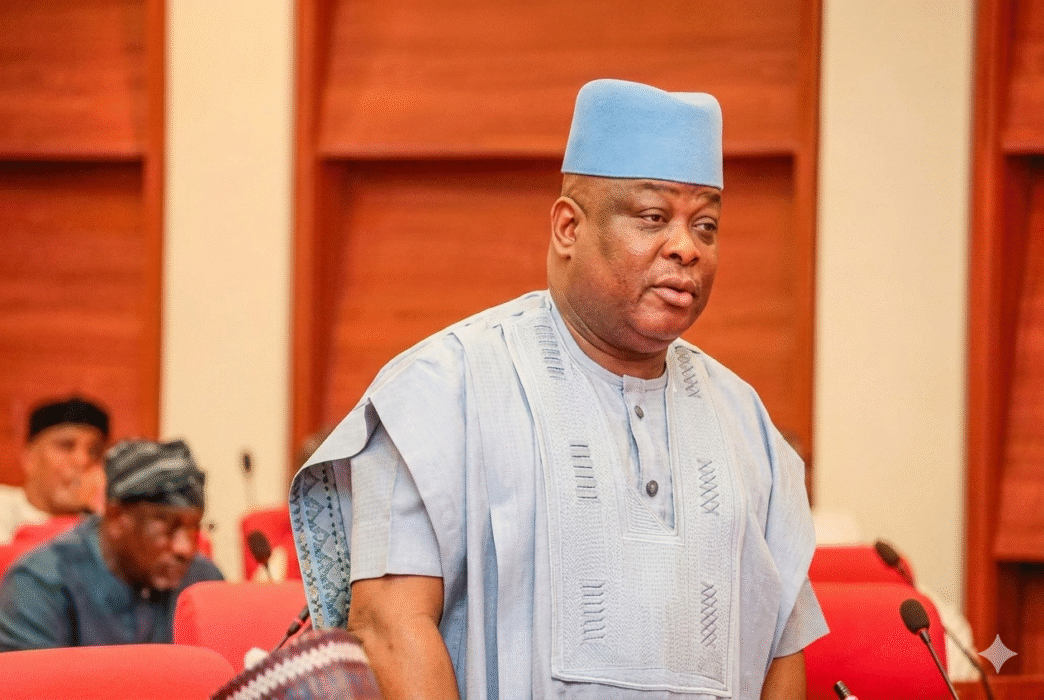
The Committee Chairman, Senator Adeniyi Adegbonmire, SAN, acknowledged that while the 2026 budget represents an increase, the sector remains stagnant unless the funds are actually released and cash-backed.
For the 2026 fiscal year, the government has allocated ₦150 billion to the Ministry of Justice and its parastatals, with an additional ₦20 billion set aside for the National Human Rights Commission (NHRC).
The Ministry’s specific share of ₦23.68 billion is broken down as follows:
Personnel Costs: ₦3.455 billion
Overhead: ₦10.499 billion
Capital Expenditure: ₦9.724 billion
Minister Fagbemi outlined several critical challenges hindering the sector, including prison overcrowding, cybercrime, terrorism, and workspace infrastructure deficits. To address these, the Ministry proposes the following 2026 projections:
National Policy on Justice: Implementation of a comprehensive framework for institutional strengthening and human rights protection.
Law Reforms: Updating outdated legislation to align with contemporary global best practices.
Capacity Building: Investing in technology and training for prosecutors and legal officers.
Public Legal Education: Expanding programs to ensure citizens understand their constitutional rights and responsibilities.
The Ministry emphasized that increased and timely funding is indispensable to transitioning these goals from “aspirational” to “transformative”.