
As the Deputy Speaker Kalu advocates for domesticating humanitarian treaties, he reaffirmed the National Assembly’s commitment to strengthening Nigeria’s legal framework. He emphasized that the ratification of international treaties must be matched by domestic enforcement to protect the nation’s most vulnerable.
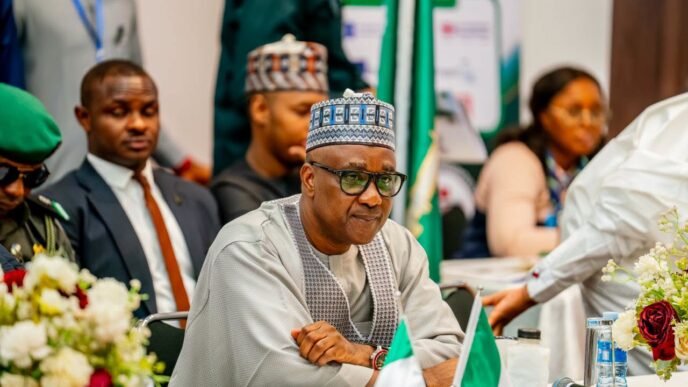
Speaking at the high-level dialogue on international humanitarian law treaties, Kalu joined Vice President Shettima and other top government officials. The leaders gathered together in Nigeria to address the specific theme titled, “Complementarity: Threshold and Outcomes,” during the important session.
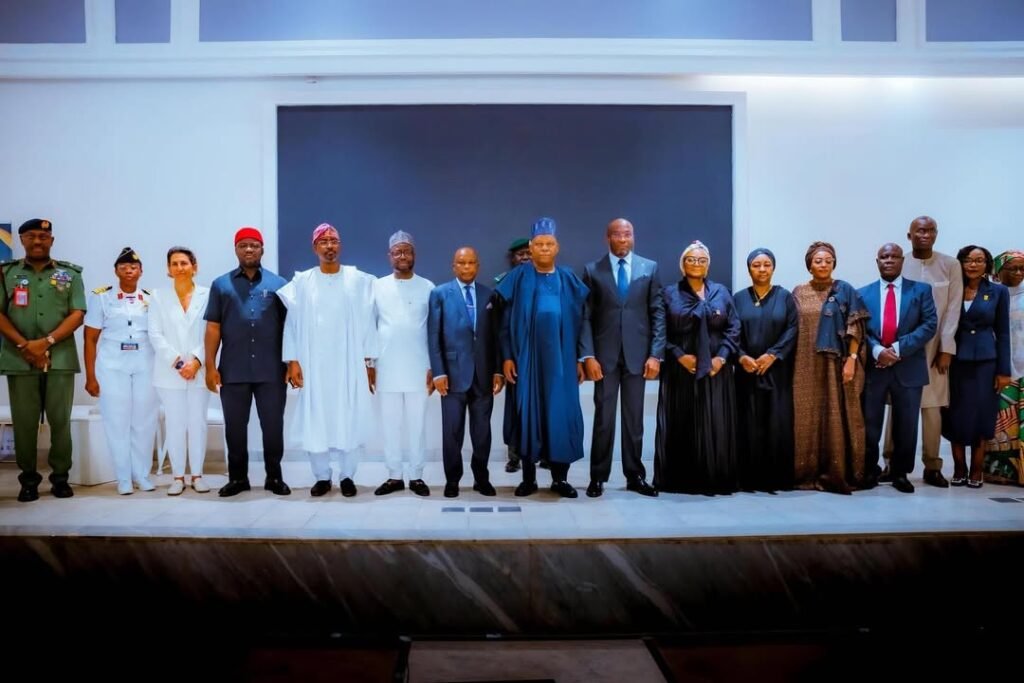
During the session, Deputy Speaker Kalu highlighted the strategic role of the House in moving beyond signing various international agreements. As Kalu advocates for domesticating humanitarian treaties, he noted that the impact of domestication is the true metric of success..
“We will continue to work tirelessly to ensure that our commitments are translated into action, ensuring the protection of human lives and dignity in our nation,” Kalu stated.
A central point of the Deputy Speaker’s address was the Kampala Convention (Domestication and Enforcement) Bill (HB1350). As the lead sponsor of the bill, Kalu underscored its importance as a legislative priority designed for providing a shield. The proposed law will provide a robust legal framework for the rights, dignity, and welfare of every displaced Nigerian citizen.
The bill seeks to:
- Establish a comprehensive legal framework for the protection of Internally Displaced Persons (IDPs).
- Create structured protocols for the resettlement and reintegration of displaced populations.
- Ensure Nigeria meets its obligations under the African Union Convention for the Protection and Assistance of IDPs.
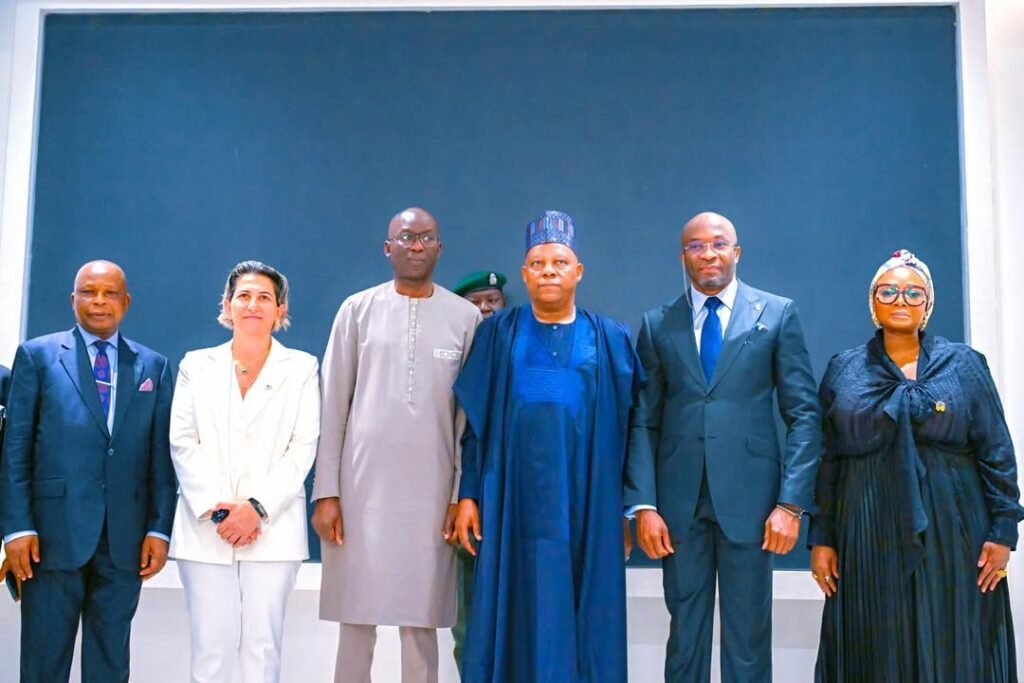
The Deputy Speaker assured stakeholders that the House remains dedicated to prioritizing all ratified humanitarian treaties within our national legislative system. He pledged that the Green Chamber would strengthen oversight to ensure that the Geneva Conventions are fully integrated into Nigeria’s laws.
The dialogue concluded with a shared resolve among the executive and legislative branches to work closely with various critical sectors. Their primary goal is to ensure that international humanitarian standards are not just diplomatic gestures within the African regional space. These standards must become functional realities for the Nigerian people to ensure their safety, dignity, and long-term national human security.