The Nigerian Ports Authority (NPA) has proposed a revenue target of N1.49 trillion for the 2026 fiscal year, signaling a major drive to boost non-oil earnings and enhance port efficiency.
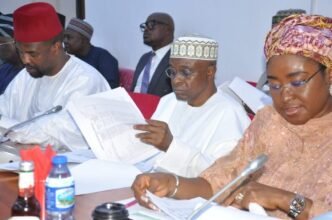
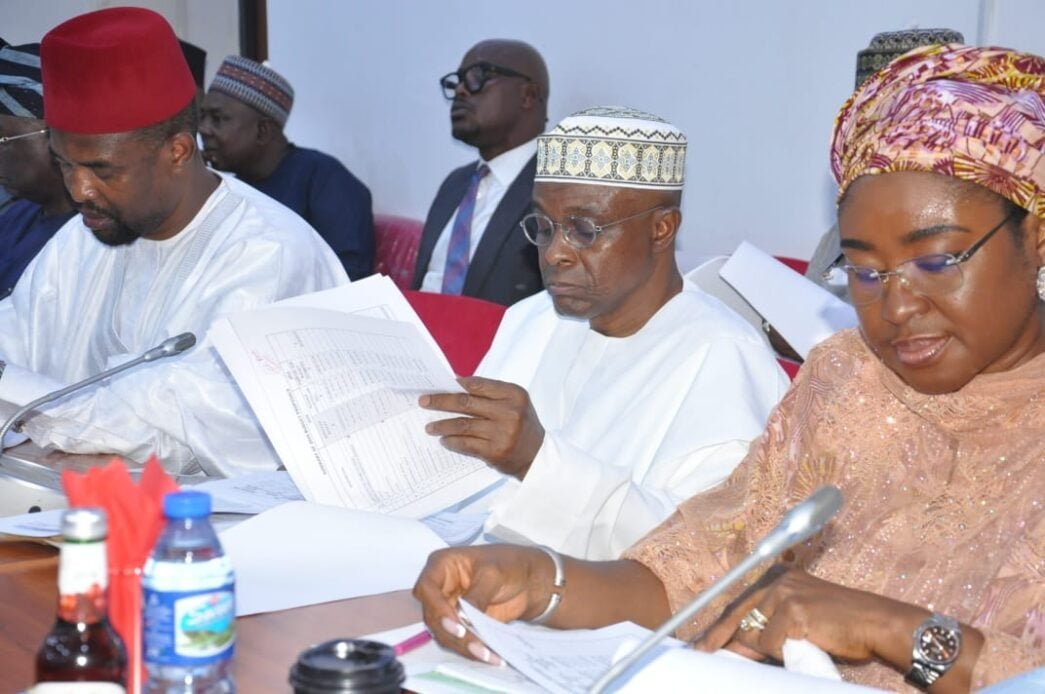
The Managing Director of the NPA, Dr. Abubakar Dantsoho, unveiled the projection during a budget defense session before the House of Representatives Committee on Ports and Harbours on Tuesday. The proposed figure marks a significant increase from previous targets, reflecting the agency’s commitment to President Bola Tinubu’s “Renewed Hope” agenda for economic diversification.
Dr. Dantsoho attributed the ambitious revenue goal to ongoing structural reforms and aggressive infrastructure upgrades across Nigeria’s maritime gateways. He noted that the agency is prioritizing the modernization of port facilities and the full implementation of the Port Community System (PCS) to streamline operations and reduce manual bottlenecks.
“Our focus for 2026 is to maximize the potential of our blue economy,” Dantsoho stated. “By improving the ease of doing business and upgrading our equipment, we are positioned to handle higher volumes of cargo and ensure every leak in revenue collection is plugged.”
To support this revenue drive, the NPA’s 2026 budget proposal emphasizes:
Deep Sea Port Development: Continued support for the Lekki and Badagry deep-sea projects to handle larger vessels.
Rehabilitation of Aging Ports: Urgent repairs and reconstruction of quay walls and infrastructure at the Tin Can Island and Apapa ports.
Security and Surveillance: Enhanced technology-driven security measures to ensure 24-hour operations without disruption.
The Chairman of the House Committee on Ports and Harbours, Hon. Nnaji Nnolim, commended the NPA’s proactive approach but stressed the importance of transparency and accountability in achieving these targets.
Lawmakers urged the NPA to ensure that the increased revenue targets do not lead to excessive charges that could drive away shippers to neighboring West African ports. In response, the NPA boss assured the committee that the focus is on “efficiency-driven growth” rather than simply increasing tariffs.
The maritime sector is viewed as a critical pillar for Nigeria’s goal of reaching a $1 trillion economy. If achieved, the N1.49 trillion revenue target would provide a substantial boost to the Federation Account, helping to fund critical national infrastructure and reduce the country’s budget deficit.
The proposal has now been taken under consideration by the committee for further legislative action as part of the broader 2026 federal budget process.