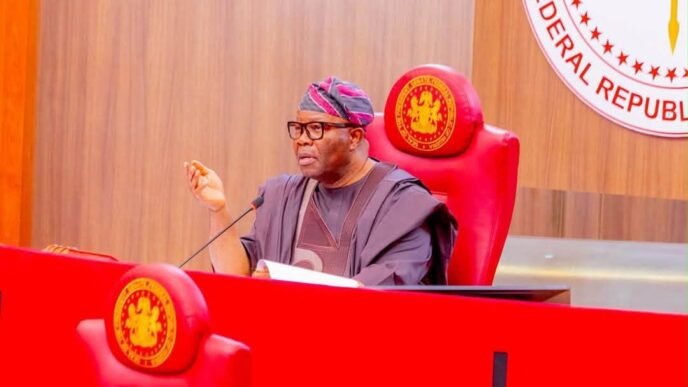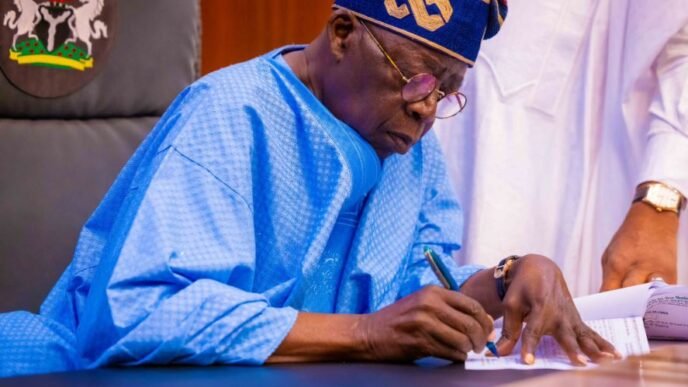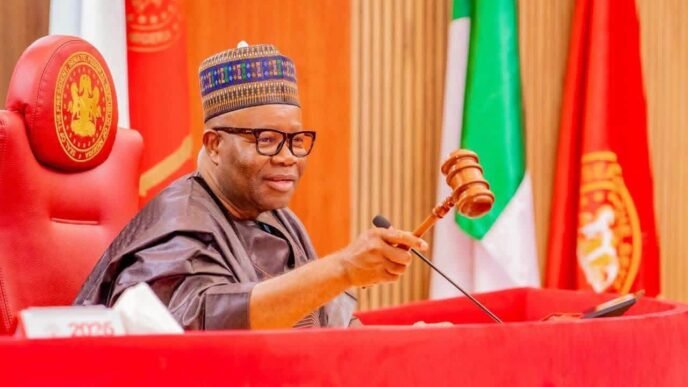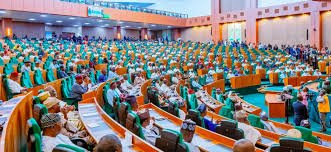
The House of Representatives has officially passed the 2026 Appropriation Bill, approving a total expenditure of N68.30 trillion.
The passage follows weeks of intense legislative scrutiny and budget defense sessions by various Ministries, Departments, and Agencies (MDAs). The final approved figure represents a significant upward adjustment from the initial N58.18 trillion proposal presented by President Bola Tinubu in late 2025, reflecting the inclusion of new national priorities and adjusted economic parameters.
Tagged the “Budget of Consolidation, Renewed Resilience, and Shared Prosperity,” the 2026 fiscal plan is designed to lock in the gains of the administration’s ongoing economic reforms.
Key highlights of the approved expenditure include:
Capital Expenditure: Prioritized at over N26 trillion, focusing on completing major infrastructure projects in transport, power, and works.
Security and Defence: Earmarked for over N5.4 trillion to sustain the fight against insurgency and enhance food security through safer farming environments.
Debt Servicing: Projected at approximately N15.9 trillion, as the government moves toward a more sustainable debt management framework.
During the final debate, House Leader Prof. Julius Ihonvbere emphasized that the 2026 budget marks a decisive shift in Nigeria’s fiscal history. For the first time in recent years, capital expenditure significantly outweighs non-debt recurrent spending—a move lawmakers say is critical for real economic growth.
“This is a budget that prioritizes development over consumption,” Ihonvbere stated. “We are moving away from the era of recurrent-heavy budgets to one that builds for the future.”
The approved budget is anchored on a realistic fiscal framework:
Oil Price Benchmark: $64.85 per barrel.
Exchange Rate: Stabilized at N1,400 to the US Dollar.
Oil Production: 1.84 million barrels per day (mbpd).
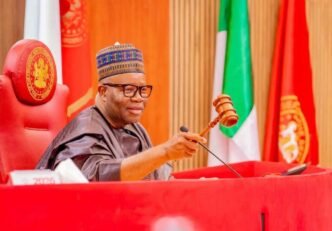
Speaker of the House, Rt. Hon. Tajudeen Abbas, commended the lawmakers for their diligence, noting that the timely passage of the bill is essential to maintaining the January-to-December budget cycle.