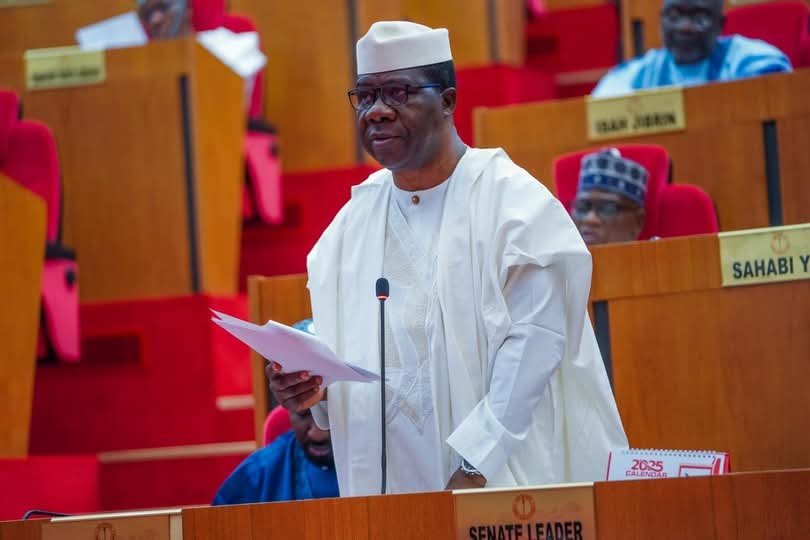
Because HB. 2681 originated in the House of Representatives, its passage through the Senate relies on the constitutional mechanism of Bicameral Concurrence under Section 58 of the 1999 Constitution of the Federal Republic of Nigeria (as amended).
2. Strategic Objectives of the 2026 Amendment
The Agricultural Research Council of Nigeria (ARCN) serves as the statutory umbrella governing body for agricultural research, training institutes, and extension services across the nation. The 2026 amendment (HB. 2681) responds to structural and operational gaps in the principal Act.
Key Provisions & Statutory Adjustments
- Institutional Integration & Upgrades: Legally incorporates newly established federal colleges of agriculture, research centers, and specialized vocational units into the centralized ARCN regulatory database and funding structure.
- Funding & Grant Mechanisms: Modernizes statutory allocation framework models to support advanced agricultural research, technology adoption, seed development, and biotechnology applications.
- Research-to-Extension Linkage: Mandates stronger administrative channels connecting national research output with localized agricultural extension agents, reducing the time gap between lab innovation and rural adoption.
- Governance Restructuring: Streamlines council management procedures to boost operational efficiency, accountability, and commercialization of agricultural research output.
3. Policy & Economic Implications for Nigeria
The final passage of HB. 2681 carries multidimensional impacts across the national agricultural ecosystem:
| Dimension | Key Structural & Economic Impact |
|---|---|
| National Food Security | Accelerates deployment of high-yielding, pest-resistant, and climate-resilient crop varieties to local farming communities. |
| Legal Certainty for Colleges | Grants legal backing and defined budgetary autonomy to affiliated agricultural colleges and research institutes. |
| Bicameral Legislative Synergy | Demonstrates alignment between the House and Senate under the leadership of Senator Bamidele to fast-track economic reform legislation. |
| Economic Diversification | Supports non-oil GDP growth by commercializing proprietary agricultural innovations and agribusiness research products. |
4. Final Legislative Steps Toward Assent
Following the successful Third Reading and concurrence in the Senate, the legislative process transitions to the executive phase:
- Harmonization (if required): If any amendments were introduced during the Senate’s Committee of the Whole consideration, a Conference Committee harmonizes the draft; otherwise, identical passed versions proceed directly.
- Clean Copy Enrolment: The Clerk to the National Assembly (CNA) prepares and certifies a clean copy of the bill.
- Presidential Assent: The bill is transmitted to the President of the Federal Republic of Nigeria for executive assent pursuant to Section 58(4) of the Constitution, upon which it becomes an enforceable Act of the National Assembly.