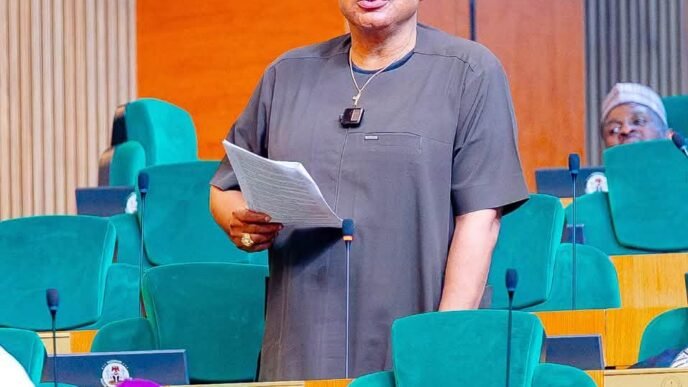
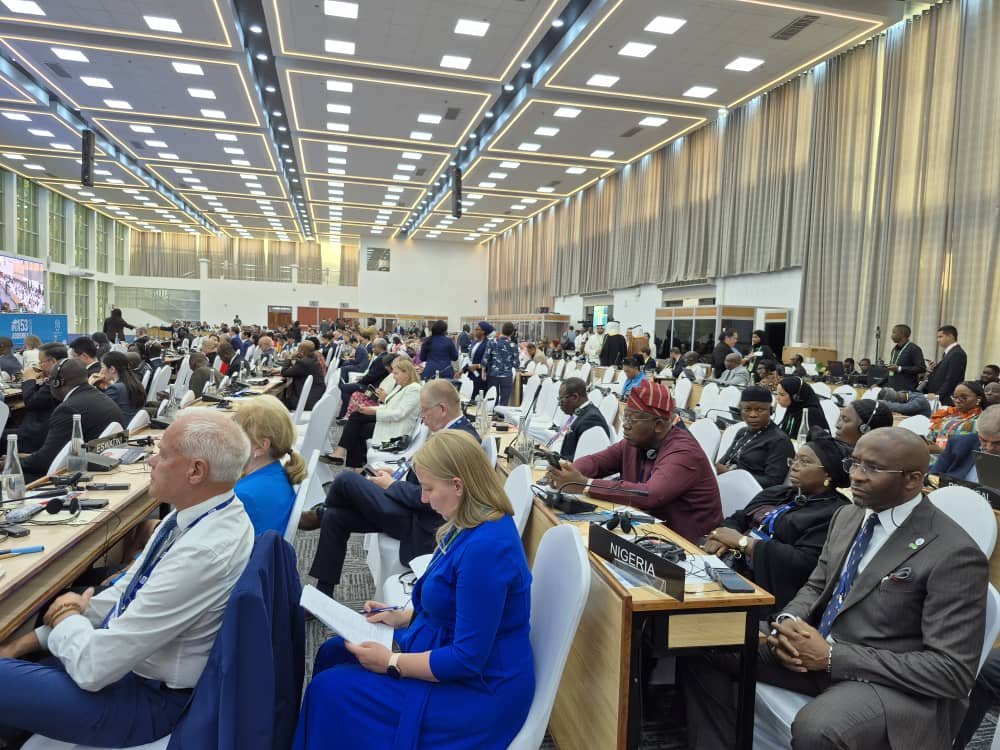
Key Operational Areas of AI Integration in Parliamentary Workflows Deliberations at the 153rd Assembly highlighted how AI acts as a operational multiplier across several core parliamentary activities.
Legislative Drafting & AnalysisPlain-Language Summarization: Parliamentary research services process thousands of pages of complex bills, technical regulatory proposals, and amendment packs. AI tools are utilized to generate concise, multi-level plain-language summaries for MPs, committee staffers, and the public.
Cross-Legislative Conflict Detection: AI models analyze legacy databases to detect overlaps, contradictions, or redundancies between newly proposed legislation and existing statutory frameworks, helping ensure legislative coherence before bills proceed to a floor vote. Amendment Grouping: In complex committee proceedings, natural language processing (NLP) algorithms auto-cluster hundreds of proposed amendments into thematic categories, streamlining committee debate and voting procedures.
Hansard Production, Speech Recognition, and Multilingualism Real-time Transcription: Automated speech-to-text engines tailored for parliamentary nomenclature drastically reduce the turnaround time for verbatim transcripts (Hansard) and video subtitling. Multilingual Translation: For federal, regional, and national assemblies in multilingual jurisdictions (such as Canada, India, or the European continent), AI enables near-instantaneous, high-fidelity translation of parliamentary records, equalizing access for non-native primary-language MPs.
Public Engagement & Open Parliament Citizen Feedback Processing: Parliaments frequently receive tens of thousands of submissions during public consultation periods. Machine learning systems categorize, cluster, and sentiment-map these public inputs, giving committee leads rapid synthesis of broad-scale citizen feedback. Conversational Open Data Access: Deploying Retrieval-Augmented Generation (RAG) and GraphRAG tools on top of open parliamentary databases allows citizens and journalists to query legislative histories in conversational language.
Impact on Policymaking and Democratic Governance, the assembly emphasized that technology in parliament is not simply about administrative efficiency; it fundamentally alters how policies are designed, evaluated, and scrutinized: Governance Function Traditional Workflow AI-Enhanced Parliamentary Workflow Evidence Synthesis Slow manual literature reviews; reliance on selective lobbyist briefs.
Rapid cross-indexing of global regulatory precedents and peer-reviewed empirical data. Post-Legislative Scrutiny Anecdotal checks on bill implementation years after passage. Predictive modeling and real-time data integration to assess regulatory impact against key performance indicators (KPIs).Budget Oversight Review of static, high-level fiscal tables provided by executive ministries.
The Algorithmic analysis of line-item expenditure, detecting spending anomalies and historical budget trends. Empowering Opposition and Backbenchers: One of the most significant governance impacts noted is the democratization of technical expertise. Individual MPs and smaller opposition factions with limited staff resources can leverage AI tools to equalize the information asymmetry traditionally enjoyed by executive branch ministries.
Risks, Ethical Safeguards, and Regulatory Frameworks, while acknowledging the efficiency gains, delegates and the IPU leadership stressed that AI adoption in democratic legislative bodies carries distinct systemic risks that require strong governance: Hallucinations and Fake Precedents: AI tools generating false citations, non-existent legal precedents, or fabricated court decisions pose direct threats to legislative integrity. Algorithmic Bias: Machine learning models trained on biased historical data risk perpetuating systemic biases in policy recommendations or risk-assessment frameworks.
Information Security & Sovereignty: Delegating sensitive or confidential draft legislation to proprietary cloud-hosted large language models creates vulnerability to data leaks, intellectual property theft, and foreign influence operations. Disinformation & Deepfakes: As AI lowers the barrier to generating synthetic media, assemblies warned of targeted disinformation campaigns aimed at swaying committee votes, faking public consensus, or undermining public trust in parliamentary proceedings.
IPU Guidance & Strategic Recommendations Building on the assembly’s outcomes and the IPU’s ongoing Guidelines and Maturity Framework for AI in Parliaments, national parliaments were urged to adopt a structured governance approach: Human-in-the-Loop Principle: AI must serve strictly as an advisory and workflow tool. Legislative decisions, bill drafting responsibility, and oversight functions must remain exclusively under human parliamentary control. In-House Governance Frameworks.
Parliaments should establish dedicated internal IT governance boards, strict ethical guidelines, and specialized AI oversight committees to approve tools before deployment. Capacity Building & Digital Literacy: Regular technical training programs must be established for parliamentarians, researchers, and administrative personnel to build critical AI literacy and audit capabilities. Inter-Parliamentary Cooperation: Shared open-source tools, collaborative AI benchmarking, and knowledge-sharing networks (such as through the IPU Center for Innovation in Parliament) ensure that smaller and developing nations’ parliaments are not left behind by the digital divide.