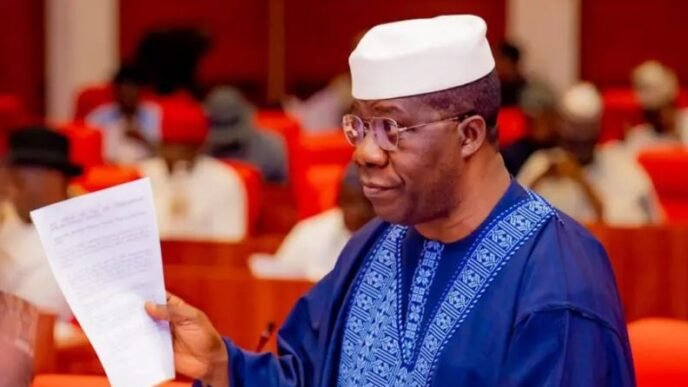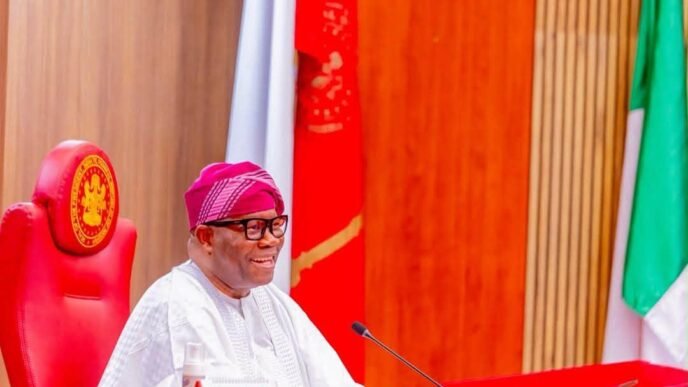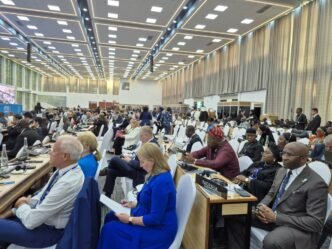
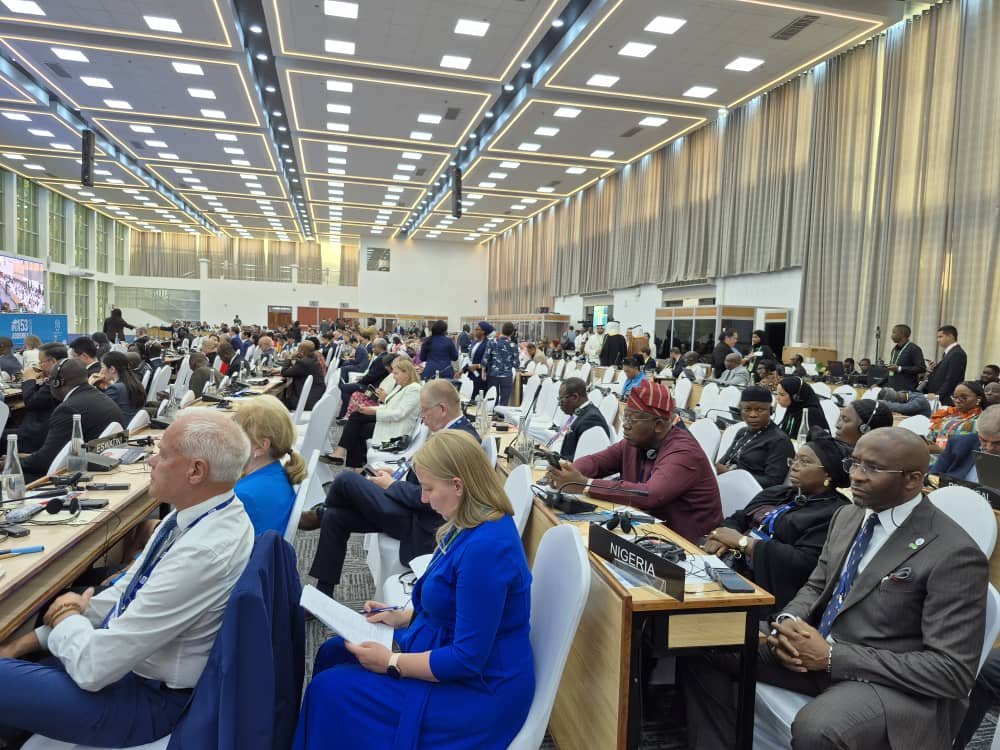
Delegates and leadership at the 153rd Inter-Parliamentary Union (IPU) Assembly underscored the transformative role of artificial intelligence as an operational multiplier across modern parliamentary workflows, emphasizing that the technology fundamentally reshapes how public policies are designed, evaluated, and scrutinized. Deliberations highlighted how AI integration expands administrative efficiency while democratizing technical expertise for individual lawmakers, opposition factions, and backbenchers facing historical information asymmetries against executive ministries.
In core legislative functions, AI tools are actively streamlining complex drafting and analysis tasks by generating concise plain-language summaries of voluminous technical bills and regulatory proposals for lawmakers and the public. Advanced AI models analyze legacy statutory databases to identify cross-legislative contradictions, redundancies, and overlaps before measures reach floor votes, while natural language processing algorithms group hundreds of proposed amendments into coherent thematic clusters to organize committee debates.
Beyond legislative drafting, automated speech-to-text engines configured for specialized parliamentary terminology are drastically accelerating the generation of official verbatim Hansard records and subtitling. In multilingual jurisdictions across Canada, India, and Europe, near-instantaneous neural translation tools equalize access to legislative proceedings for non-native primary-language parliamentarians, expanding democratic transparency across federal and regional assemblies.
Public consultation processes are similarly undergoing modernization as machine learning systems categorize, cluster, and sentiment-map tens of thousands of citizen submissions during feedback periods. By implementing Retrieval-Augmented Generation (RAG) and GraphRAG systems over open parliamentary databases, legislatures now enable citizens and journalists to query legislative histories and open data through conversational interfaces.
The integration of AI extends directly into broader governance and oversight mechanisms, shifting traditional evidence synthesis from manual literature reviews to rapid cross-indexing of global precedents and empirical data. Post-legislative scrutiny transitions from delayed, anecdotal checks to predictive modeling and real-time data integration against performance indicators, while algorithmic analysis of line-item expenditures enhances fiscal oversight by detecting spending anomalies and historical budget trends.
Despite these efficiency gains, IPU leadership and assembly delegates warned that AI deployment in democratic institutions introduces severe systemic risks requiring stringent regulatory frameworks. Unchecked AI tools risk generating hallucinated court decisions or fake legal precedents, while algorithmic models trained on biased historical data can perpetuate structural inequities in policy recommendations. Additionally, routing confidential draft bills through proprietary cloud systems exposes parliaments to data leaks and foreign influence operations, while synthetic deepfakes and automated disinformation threaten to sway committee votes and undermine public trust.
To mitigate these threats, the IPU urged national assemblies to establish structured governance frameworks built around the foundational “human-in-the-loop” principle, ensuring AI remains strictly advisory while binding legislative decisions, drafting responsibilities, and oversight remain under human control. Drawing from the IPU’s Guidelines and Maturity Framework for AI in Parliaments, assemblies were urged to form dedicated internal IT governance boards, institute regular digital literacy and technical training programs for parliamentarians and research staff, and foster inter-parliamentary cooperation through open-source tools and knowledge-sharing networks like the IPU Center for Innovation in Parliament to prevent developing nations from being left behind.