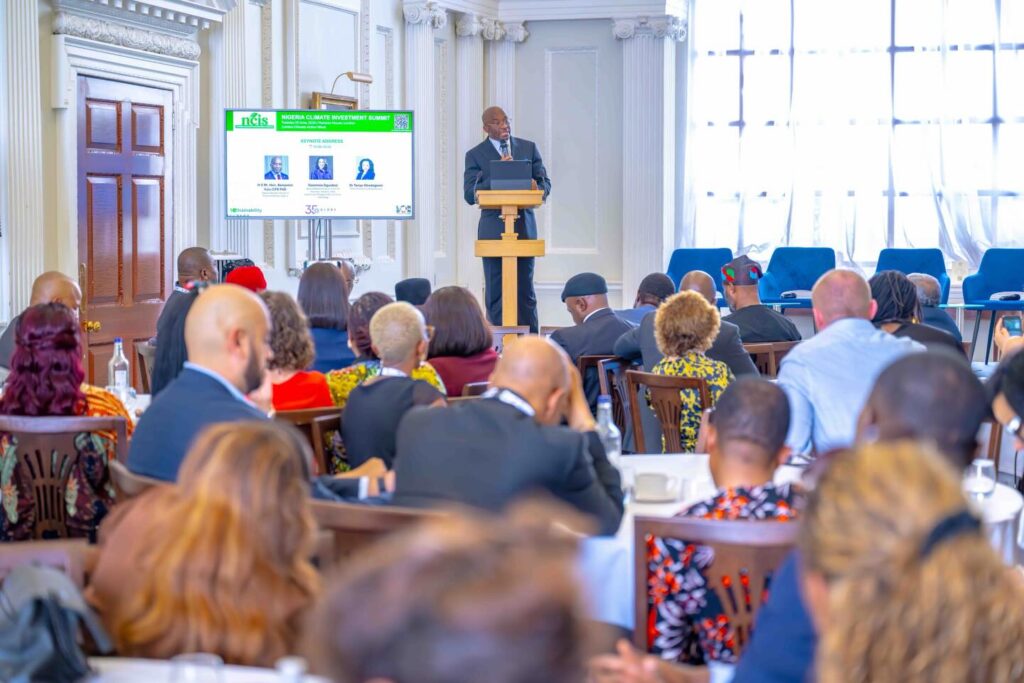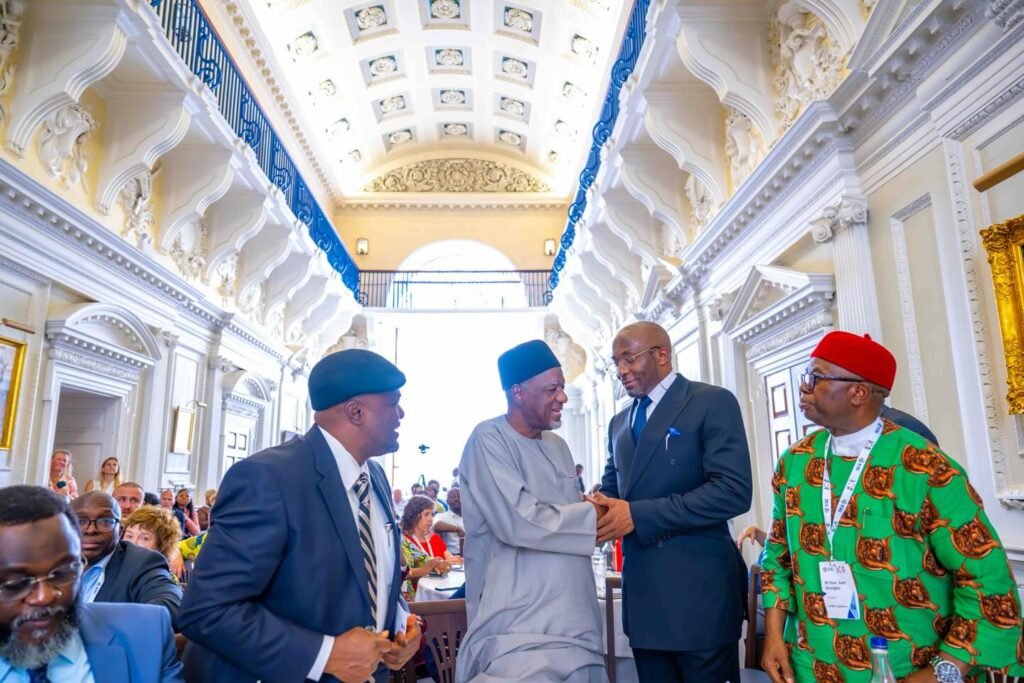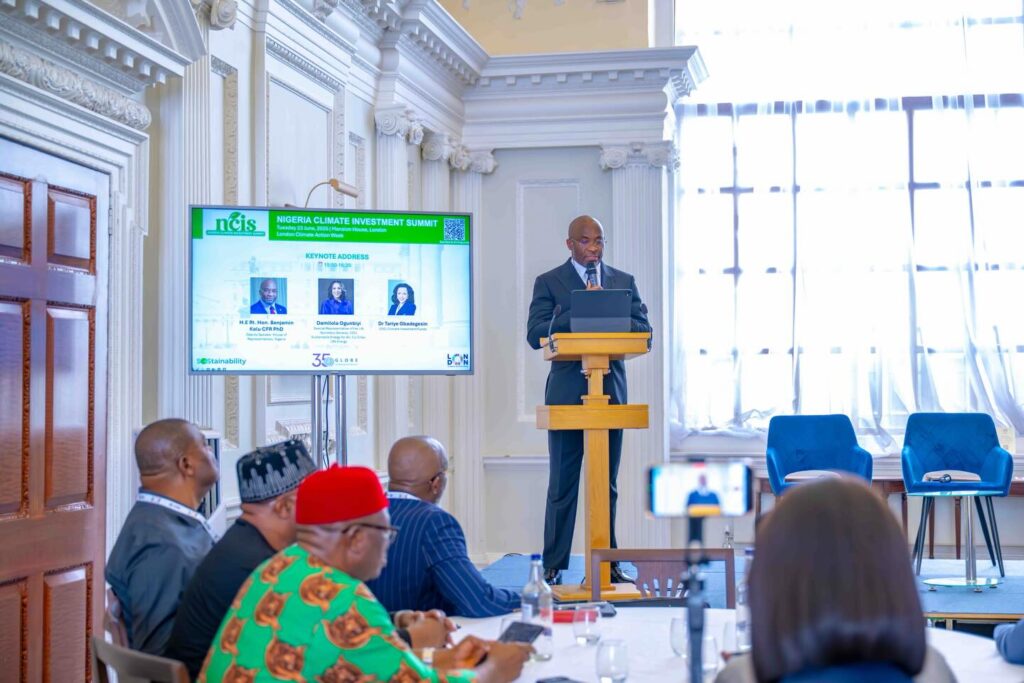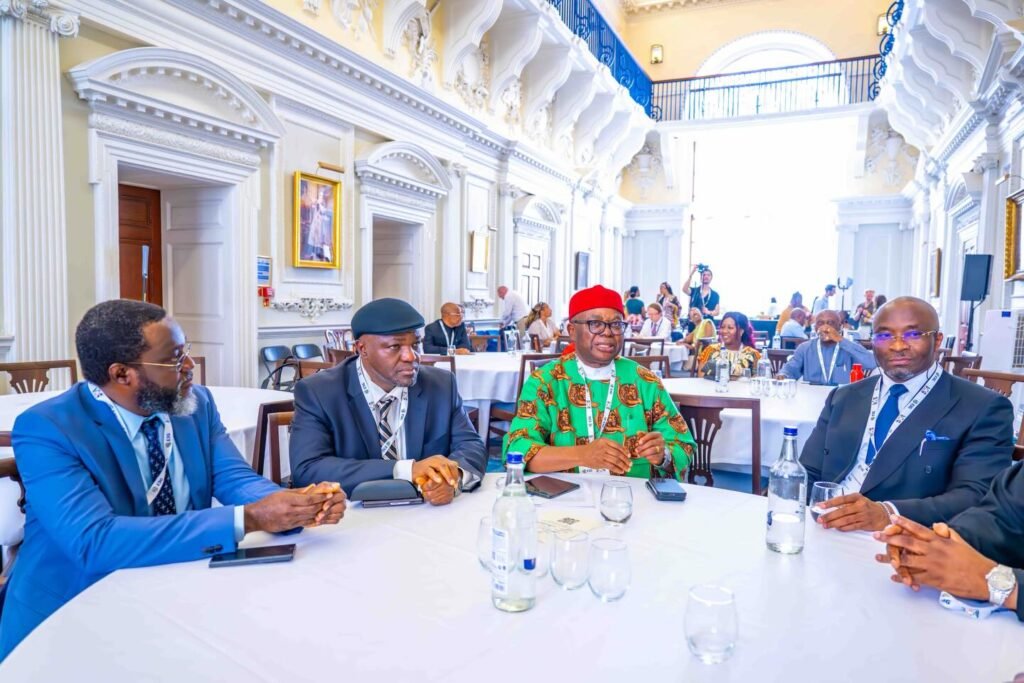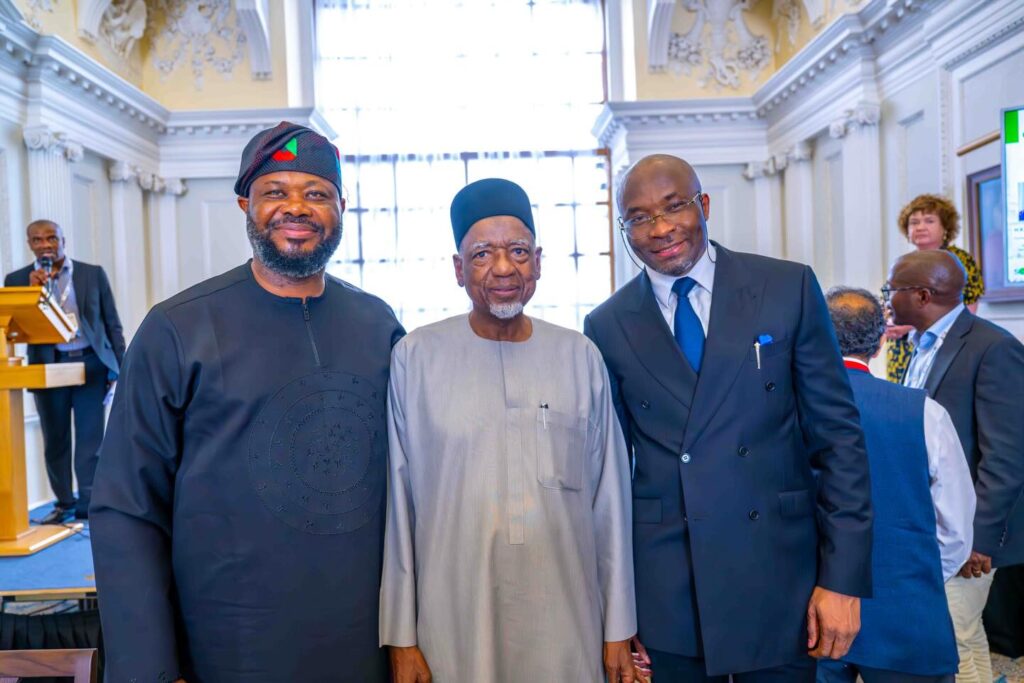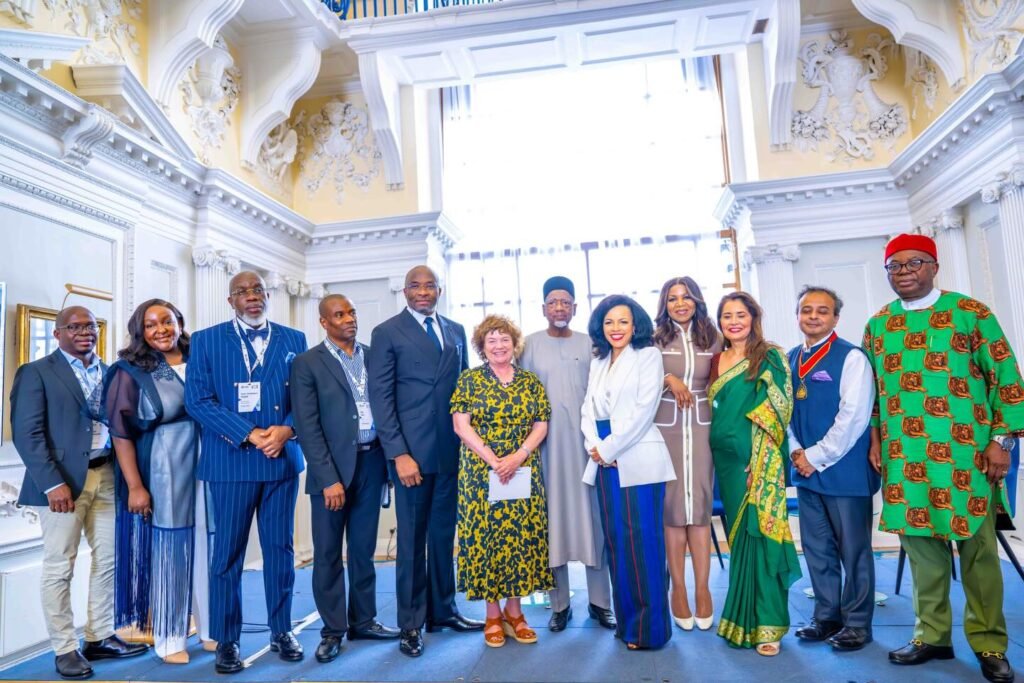

In a bid to position Nigeria as a prime global destination for green investments, the Deputy Speaker of the House of Representatives, Benjamin Kalu, delivered a high-profile keynote address at the Nigerian Climate Investment Summit.
The summit, a flagship event of London Climate Action Week, was themed “Catalyzing Nigeria’s Climate Policy Progress into Financial Flows for Green Projects.”
Addressing an international audience of policymakers, investors, and environmental leaders, Kalu emphasized that Nigeria has shifted its strategy from merely expressing environmental ambition to offering legally backed, commercially viable investment opportunities.
Nigeria is no longer presenting climate ambition alone; we are presenting investment opportunities backed by law, policy and a legislature committed to delivery.
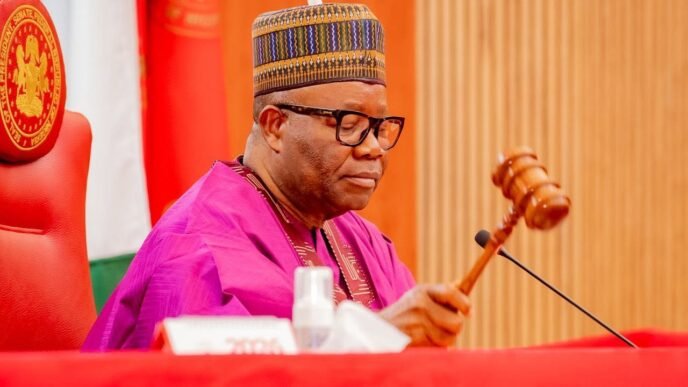
Deputy Speaker, Benjamin Kalu.
During his address, the Deputy Speaker outlined an extensive roadmap of sectors primed for immediate international capital. He highlighted practical, high-impact areas capable of simultaneously driving economic growth and building climate resilience across Nigeria, including:
Clean Energy & Infrastructure: Distributed renewable energy, solar mini-grids, battery storage, industrial energy efficiency, and modern electricity transmission and distribution networks.
Agriculture & Logistics: Climate-smart agriculture, advanced irrigation, cold-chain logistics, and resilient rural infrastructure to safeguard food security.
Daily Life & Transit: Sustainable transport systems and accessible clean cooking solutions.
Kalu noted that these sectors do not just represent environmental necessities, but serve as practical, commercially viable pathways toward creating sustainable jobs, expanding energy access, and strengthening the national economy.
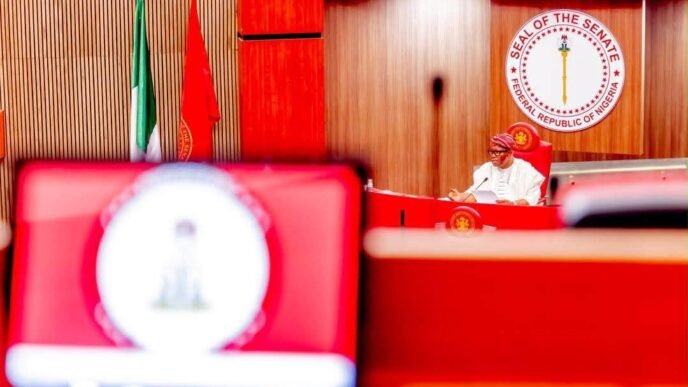
A central focus of Kalu’s address was the role of the 10th National Assembly in mitigating investor risk. He assured global stakeholders that Nigeria’s legislature is actively constructing the legal frameworks necessary to guarantee policy stability and transparency.
Through robust implementations like the Climate Change Act, the federal government is strengthening its climate governance, carbon budgeting, and emissions reporting standards. Furthermore, the Assembly is designing market-based mechanisms tailored for low-carbon growth, creating an ecosystem where sustainable investments can thrive securely.
The Deputy Speaker extended his gratitude to GLOBE International, SOStainability, the City of London, and other organizing partners for convening the summit. Looking forward, Kalu reaffirmed Nigeria’s readiness to collaborate with global financial institutions to align the country’s green taxonomy and project frameworks with strict international best practices.