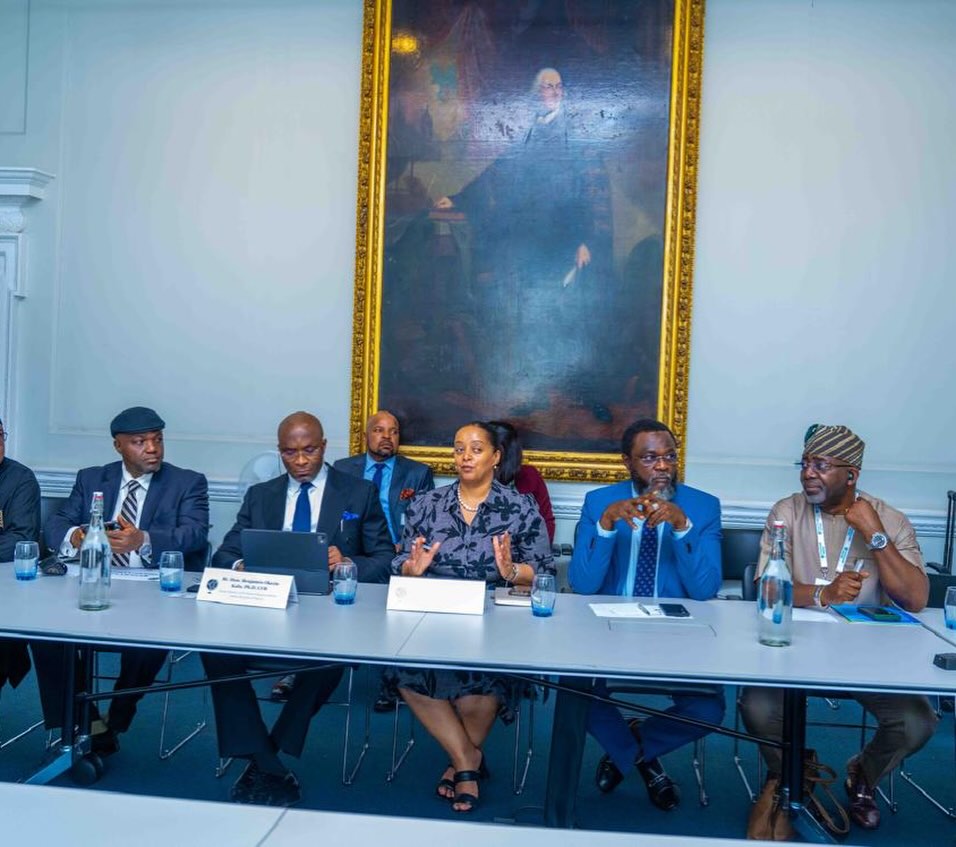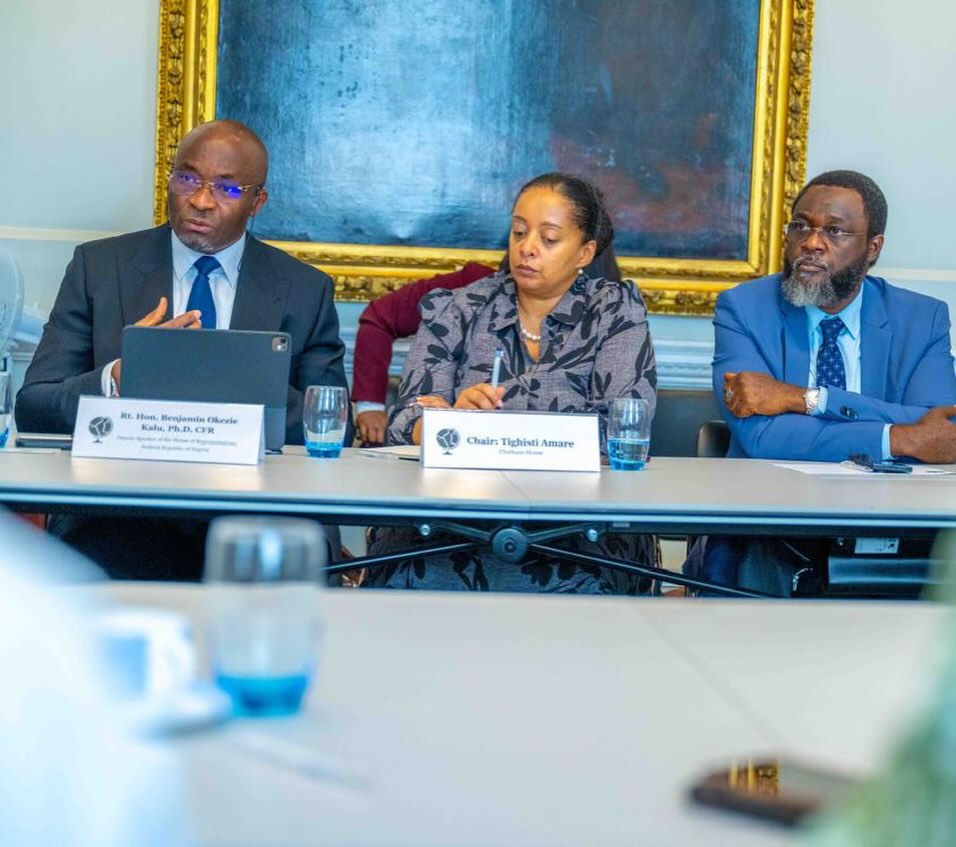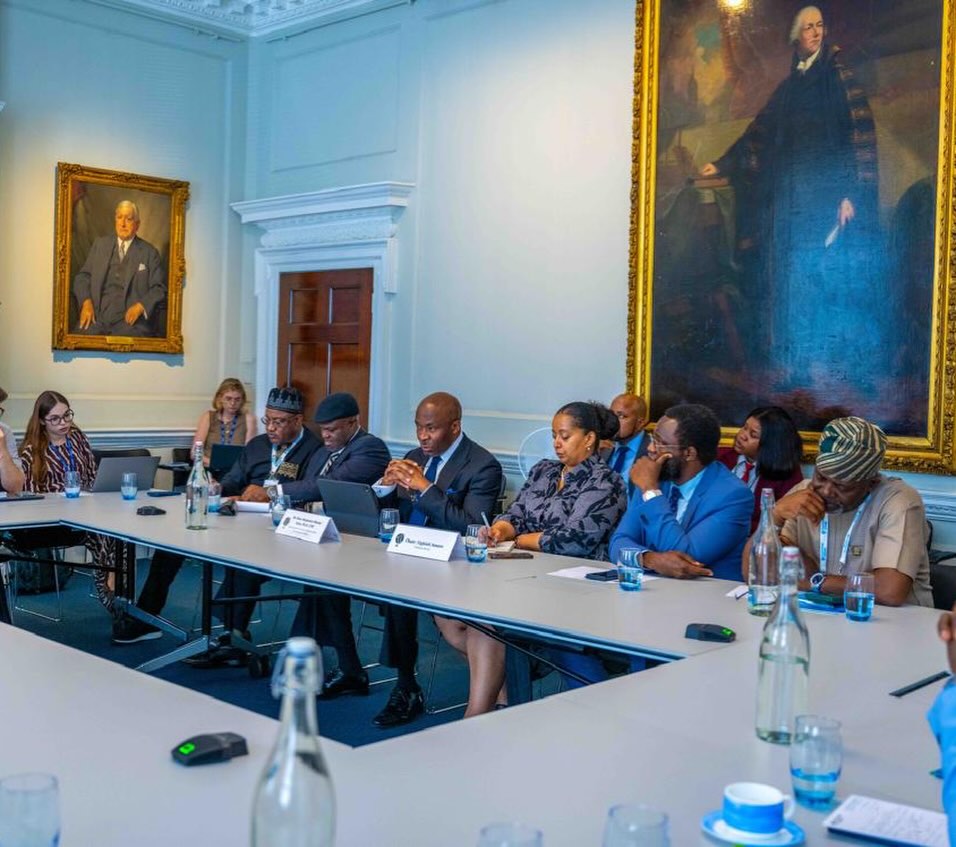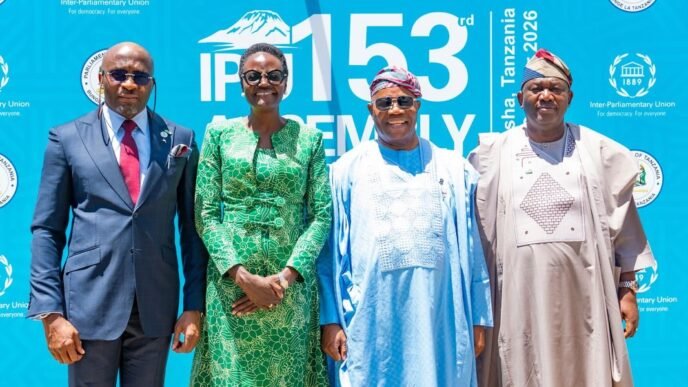
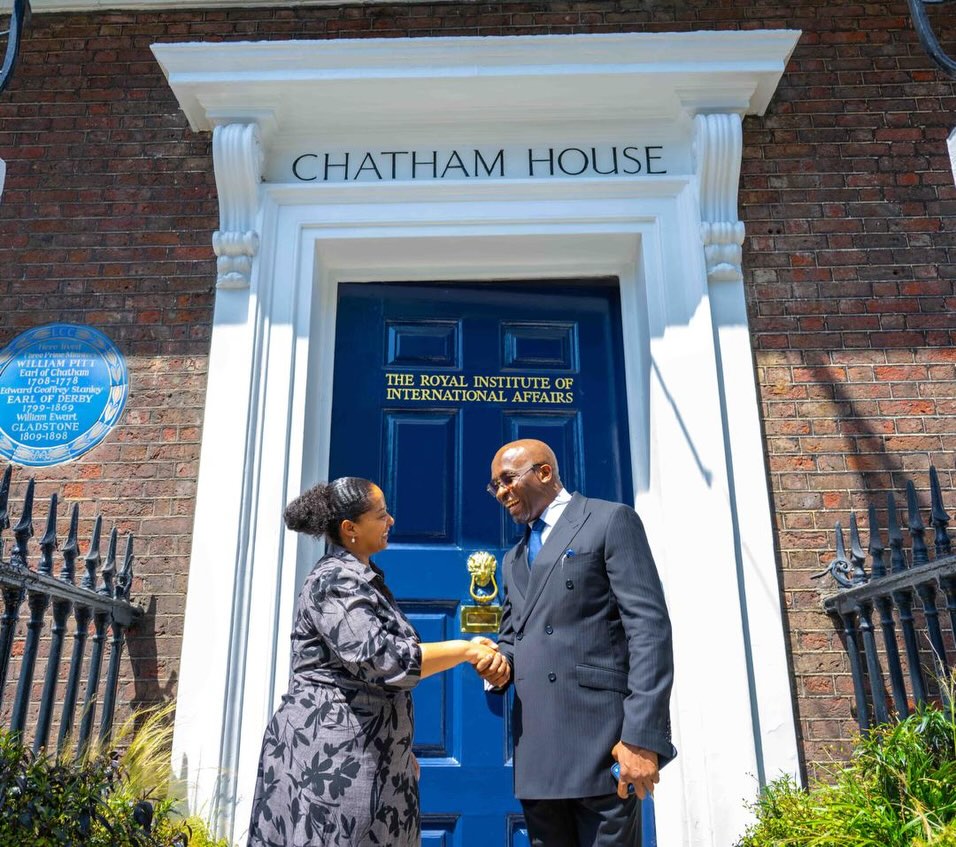
The Deputy Speaker of Nigeria’s House of Representatives, Rt. Hon. Benjamin Kalu, today delivered a presentation titled “Nigeria 2027 Elections: Electoral Integrity Amid a Deepening Security Crisis” at the Chatham House Africa Programme Roundtable.
During the session, Kalu detailed Nigeria’s legislative strategy to safeguard democratic processes, highlighting the 2026 Electoral Act and ongoing statutory reforms designed to fortify electoral credibility. His presentation balanced these democratic upgrades with a deep look into national security investments, accountability frameworks, the proposed State Police Bill, and the modern threat of disinformation.
Addressing the nation’s security challenges, Kalu noted significant progress in national defense strategies, pointing directly to increased allocations within the 2026 federal budget.
However, he emphasized that funding is only half the battle. Under the leadership of the 10th Assembly, the legislature is prioritizing rigorous oversight to ensure public resources yield tangible security outcomes. Kalu maintained that parliament’s role extends far beyond merely passing appropriations; it requires sustained, aggressive scrutiny of implementation to guarantee accountability.
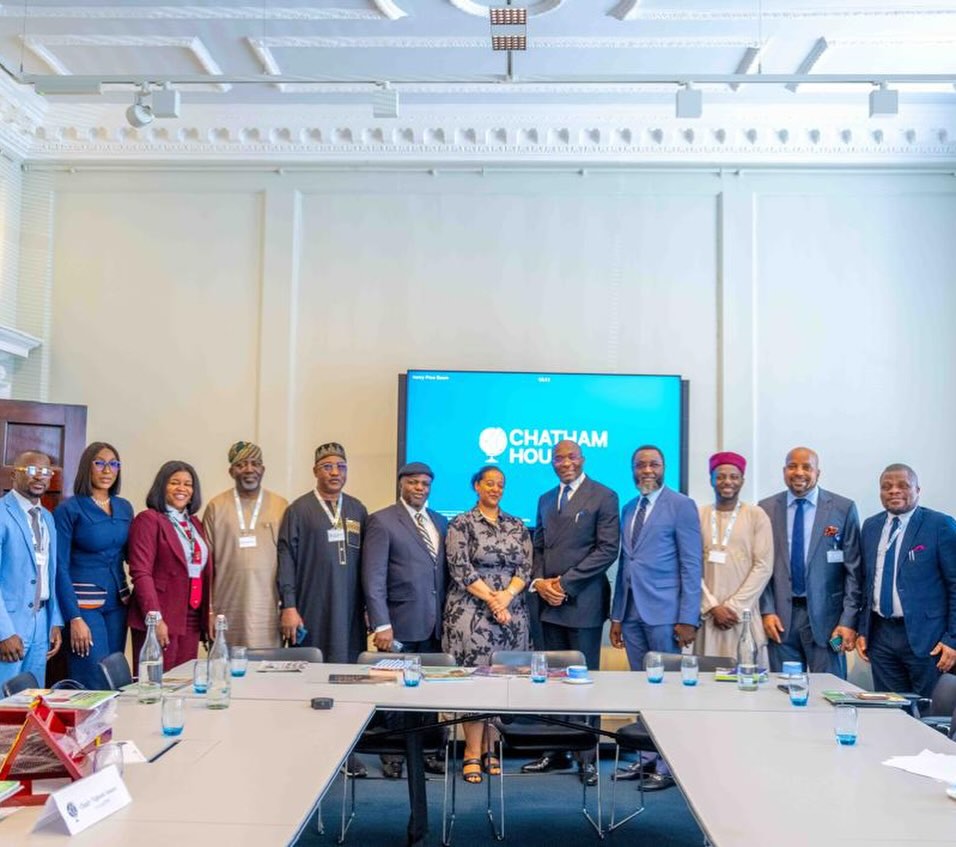
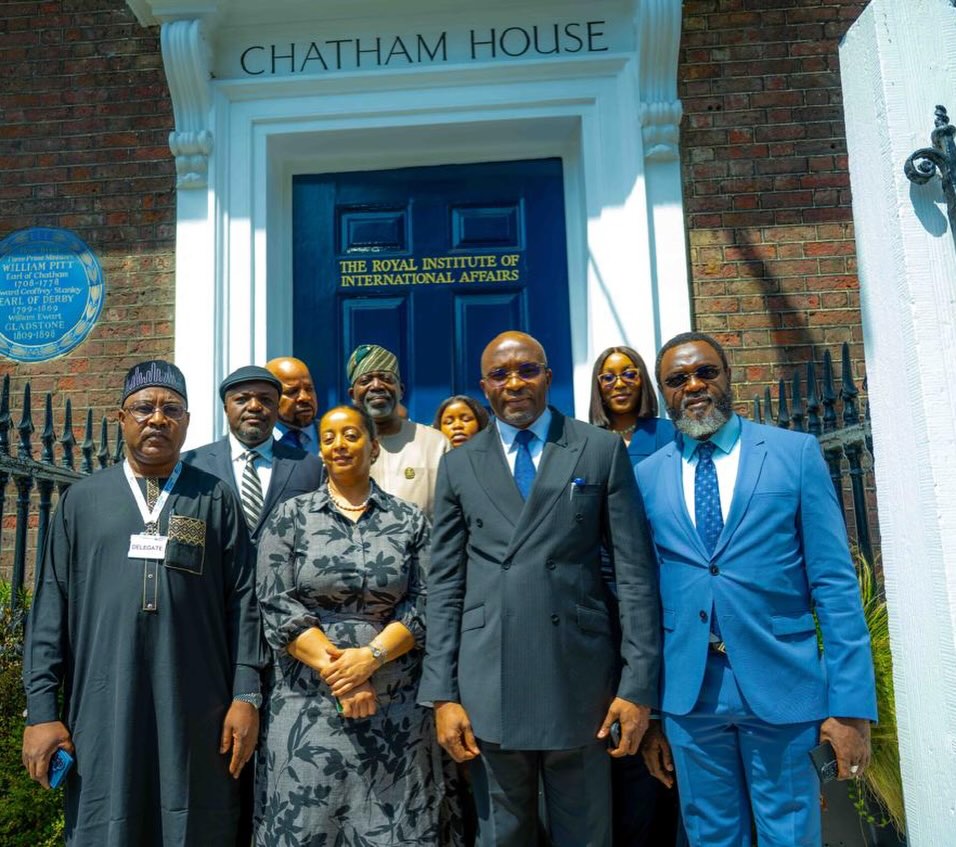
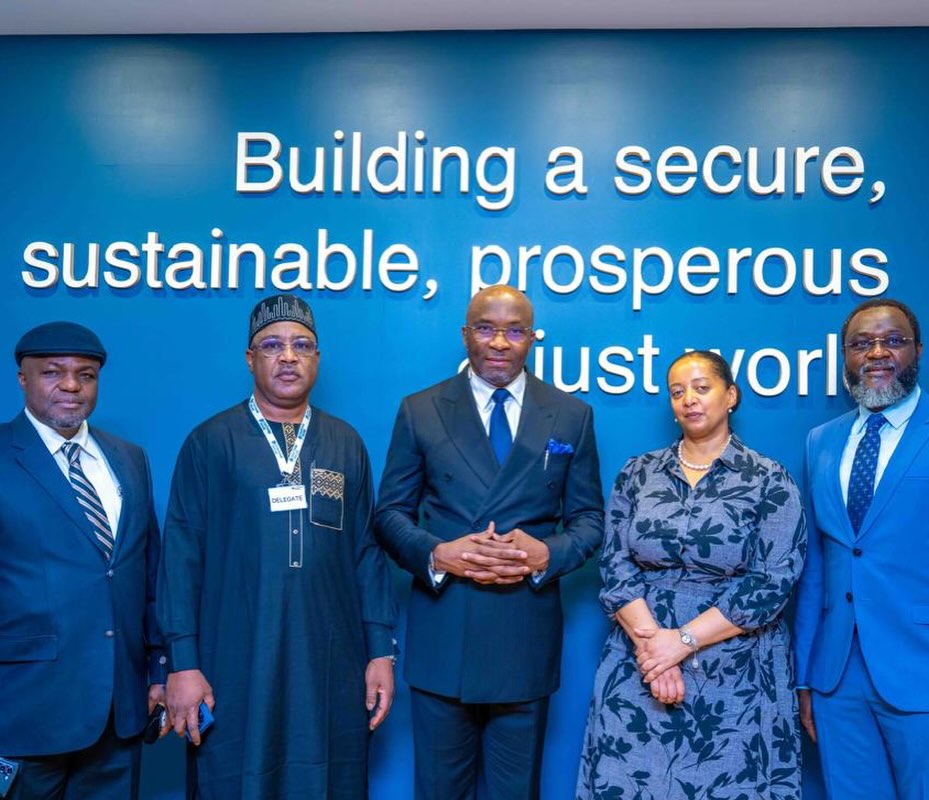
A major focus of the roundtable discussion was the contentious State Police Bill. Kalu directly addressed citizen apprehensions regarding potential political abuse by regional actors, outlining the strict institutional safeguards embedded within the draft legislation:
-Merit-Based Recruitment: Implementing rigid, standardized hiring processes to prevent political nepotism.
-National Standards: Ensuring all state-level units conform to uniform operational guidelines.
-Independent Oversight: Creating autonomous commissions to investigate misconduct.
-Legislative Controls: Maintaining checks and balances through parliamentary reviews.
Defending the necessity of the reform, Kalu argued that a highly centralized policing structure is fundamentally unsuited to the geographic scale and operational complexity of modern Nigeria, as it lacks the rapid response times and localized intelligence required to combat modern security threats.
Nigeria’s democracy is still maturing. Progress is the result of continuous institutional reform and sustained civic participation.
Deputy Speaker, Rt. Hon. Benjamin Kalu
Concluding his address, the Deputy Speaker expressed firm confidence in Nigeria’s trajectory, asserting that ongoing institutional evolution and active citizen engagement will ultimately anchor a secure, sustainable, and prosperous democratic future for the nation.