The Federal Government of Nigeria and the National Assembly have initiated a collaborative effort to harmonize Nigeria’s budgeting process with its national development goals, aiming to eliminate persistent fiscal gaps that have historically hindered economic progress.
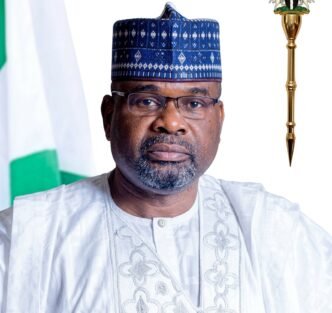
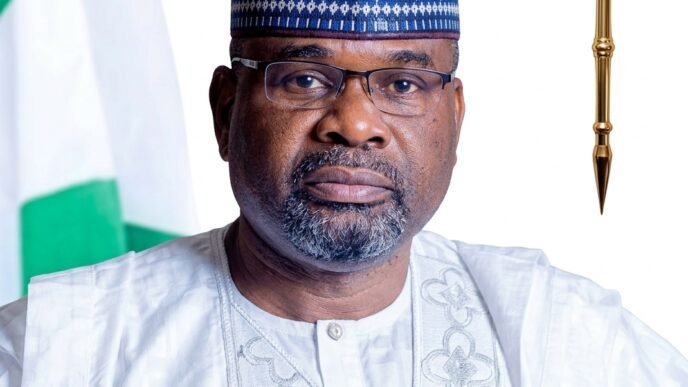
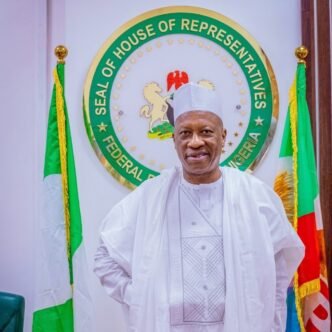
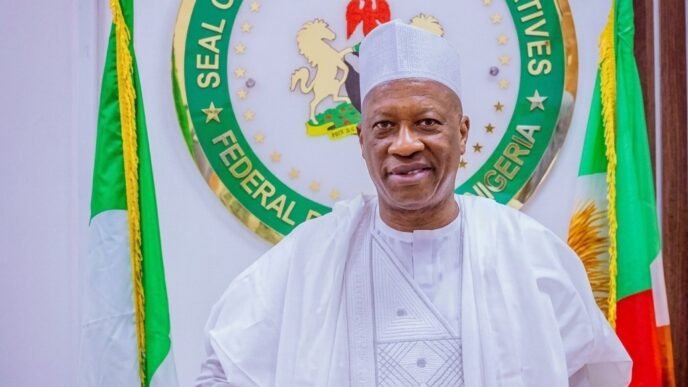
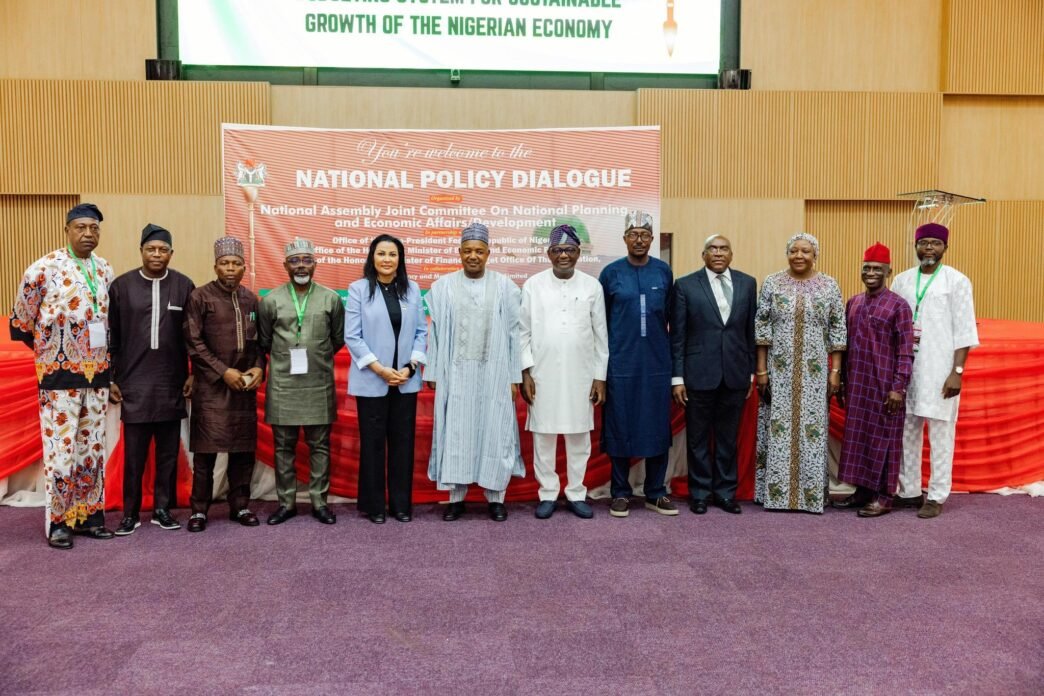
During a two-day National Policy Dialogue in Abuja themed around sustainable economic growth, Minister of Budget and Economic Planning, Atiku Bagudu, alongside Chairman of the House Committee on National Planning, Gboyega Isiaka, and Senate Committee Chairman, Musa Mustapha, committed to ending the “disconnect” between long-term planning and annual spending. The dialogue, organized by the National Assembly Joint Committee on National Planning and Economic Affairs in partnership with the Office of the Vice President, focused on making the budget a functional engine for development rather than just a list of expenses.
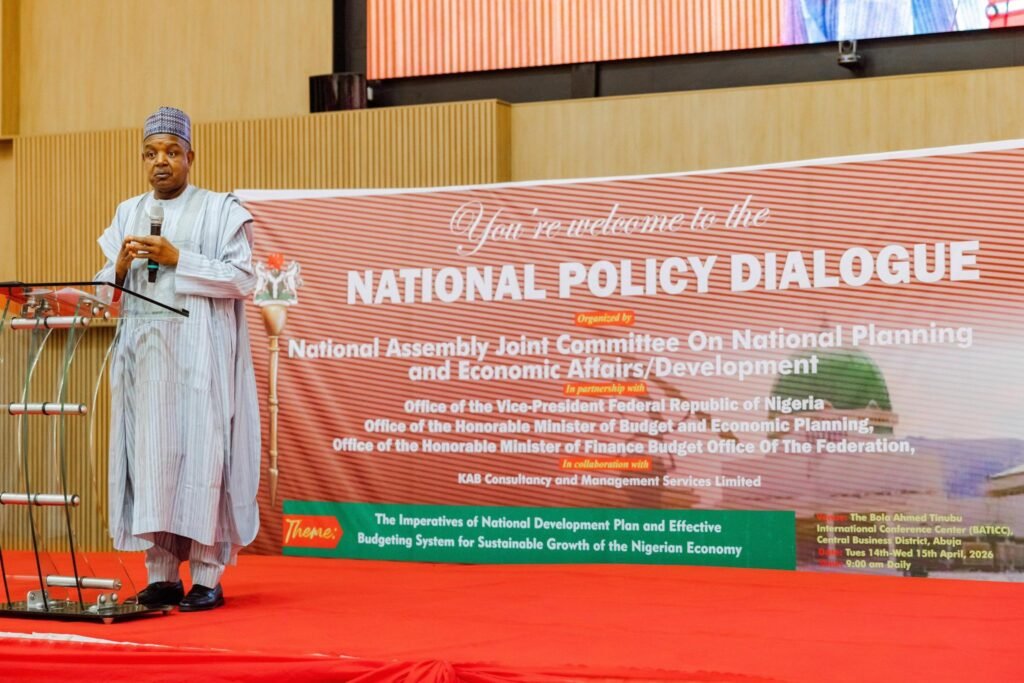
The collaboration aims to address several structural issues in the Nigerian fiscal system:
- Moving away from short-term political interests toward a roadmap aimed at achieving a $1 trillion economy by 2030.
- Legislative measures have been taken to repeal and re-enact the 2024 and 2025 budgets. This “clean slate” approach consolidates various supplementary budgets into a single, authoritative document to improve transparency and oversight.
- The Economic Management Team, led by Finance Minister Wale Edun, emphasized that the 2026 budget will focus on tighter fiscal controls and enhanced revenue collection to fund priority sectors like infrastructure, security, and healthcare.
Minister of Budget and Economic Planning, Atiku Bagudu, and other officials highlighted that previous budgets often operated in isolation from national development targets. The new framework seeks to foster a “performance-driven culture” where resources are allocated based on their ability to deliver meaningful impact.
To ensure stability, the government has set a firm deadline of June 30, 2026, for the full implementation of the capital components of the current budget cycles. This timeline is intended to clear backlogs of unpaid contracts and restore momentum to critical national projects.
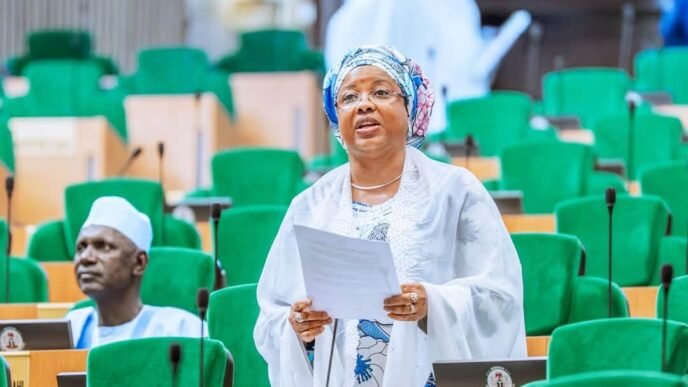
Hon. Isiaka said that addressing the disconnect between planning and budgeting requires collective action by the executive, the legislature, and other stakeholders. He noted that the 10th National Assembly is committed to strengthening collaboration with the executive beyond routine oversight.
“The Senate and the House Committee on Economic Planning have been following, and some of the ministers have said, the beautiful work being done by the ministry, the coordination and all of that. We feel that we need to collaborate more beyond oversight and working sessions,” he said.
He pointed to ongoing work on the 2026–2030 national development plan and the federal government’s $1 trillion economy target, stressing the need for practical input from lawmakers at the planning stage.
He also referenced concerns about fiscal and monetary reforms, as well as the project funding framework, noting that deeper engagement would improve outcomes.
On his part, Sen. Mustapha described the alignment of development plans with the budgeting system as central to Nigeria’s economic progress. He said the persistent gap between ambitious plans and actual budgetary allocations has historically slowed growth.
He said, “Our National Development Plan requires meticulous, aligned, and disciplined budgetary support to achieve its set objectives. However, the persistent disconnect between ambitious development plans and actual annual budgetary allocations has historically hindered our growth trajectory.”
He added that recent policy measures, including subsidy reforms, foreign exchange unification and efforts to expand non-oil revenue, are intended to free up resources for critical sectors such as infrastructure, food security, education and security.
He maintained that aligning planning with budgeting would ensure that government spending translates into tangible improvements in citizens’ lives and supports inclusive, sustainable growth.