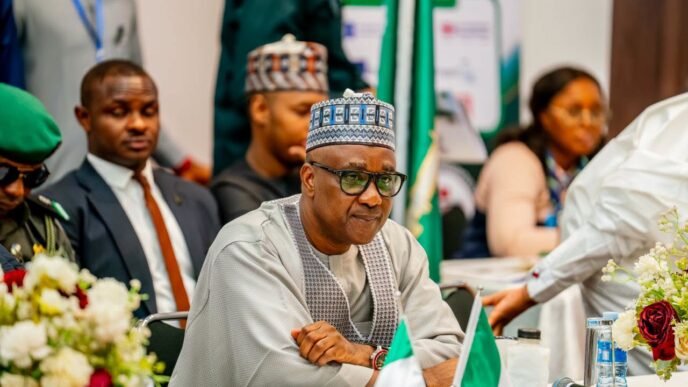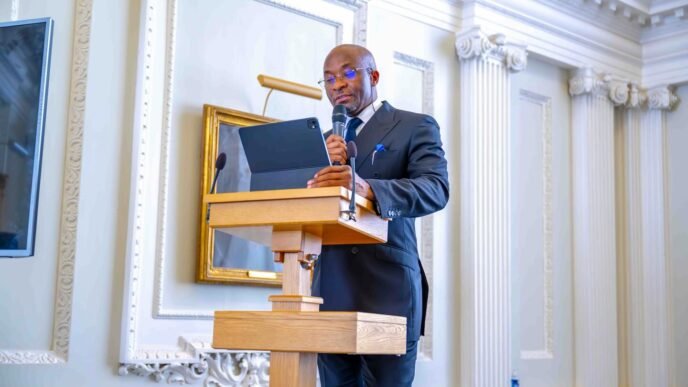
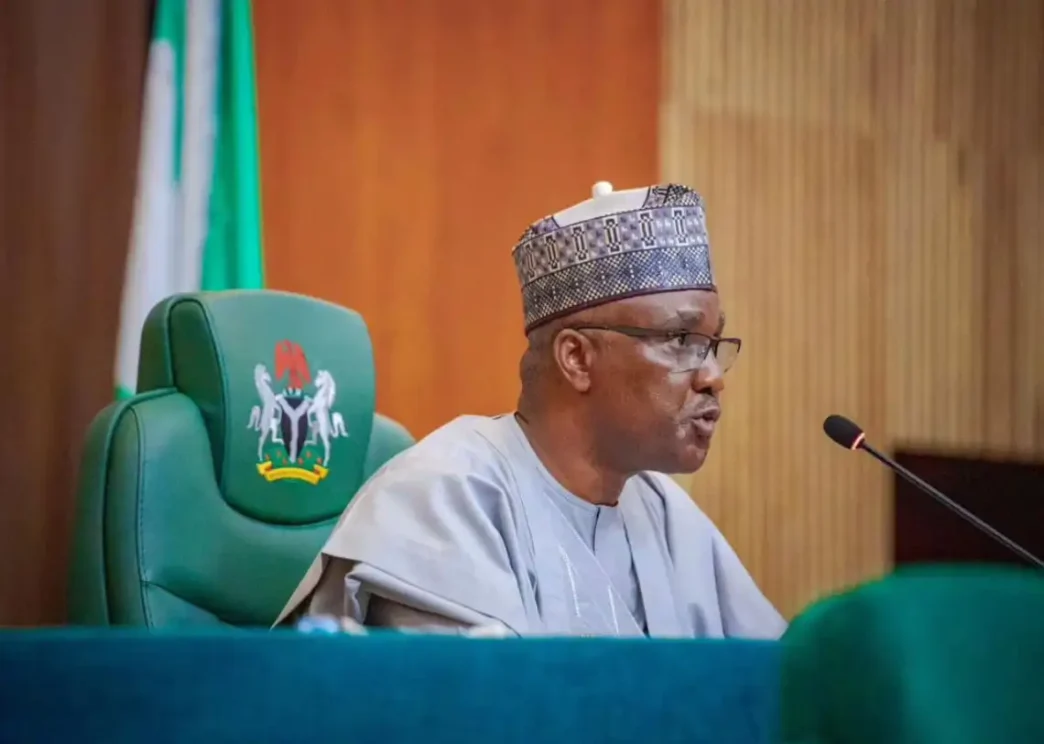
The House of Representatives, presided over by the Speaker, Rt. Hon. Abbas Tajudeen, PhD, GCON, officially resumed legislative business on Tuesday, July 21, 2026, following the successful conclusion of the National Assembly Open Week 2026. The day’s proceedings reaffirmed the House’s commitment to responsive lawmaking, robust legislative oversight, constitutional reform, and national development.
Below is an overview of the key legislative actions taken during the session:
Public Petitions
Demonstrating its commitment to addressing citizen grievances and ensuring legislative intervention, Members of the House presented four public petitions on behalf of various individuals and interest groups.
Matters of Urgent Public Importance and Motions
The House adopted significant resolutions spanning food safety, foreign affairs, public asset accountability, environmental protection, healthcare, and emergency response through key motions:
Strengthening Food Safety Regulation was adopted as a Matter of Urgent Public Importance; the House called for enhanced regulation and standards to combat food-borne diseases nationwide. Recommendations included boosted funding for food-testing infrastructure, mandatory certification of food handlers, and comprehensive legislative reforms.
On the Xenophobic Attacks Against Nigerians in South Africa, the House resolved to investigate past and recent xenophobic attacks, evaluating casualties, property losses, and abandoned assets. The relevant committees were tasked with recommending diplomatic and legal measures to safeguard Nigerians living abroad.
After the debates on the Audit of Forfeited and Recovered Assets, the House called for a nationwide audit of all forfeited and recovered public assets and advocated for a central digital asset registry to promote transparency and stronger oversight.
On Shoreline Erosion in Bayelsa State, the Federal Government was urged to deploy the Ecological Fund for shoreline protection and erosion control at the Bayelsa Industrial Park in Gbarain, safeguarding the Eraskon Lubricants/Chemicals Blending Plant Project from further degradation.
Regarding the Mandatory Health Insurance Implementation, the National Assembly Management was directed to implement full health insurance coverage for all Members of the National Assembly, their families, and legislative aides in alignment with the National Health Insurance Authority Act, 2022.
Finally, on Disaster Relief for Gashua Flood, the House urged the Federal Ministry of Humanitarian Affairs, Disaster Management and Social Development, alongside the Yobe State Government, to deliver emergency relief, temporary shelter, livelihood restoration, and rebuilding assistance to communities hit by severe windstorms and flooding in Gashua, Yobe State.
First Reading Bills
The House formally introduced and received nine new Bills for First Reading, notably including a Bill seeking critical amendments to the Fiscal Responsibility Act.
Second Reading Bills
Members debated the general principles of four Bills aimed at key national reforms:
Security sector reform
Aviation financing
Public health enhancement
Youth development
Following plenary debate, all four Bills passed Second Reading and were referred to their respective Standing Committees for further legislative scrutiny.
Third Reading Bills
Demonstrating swift legislative progression, the House passed six strategic Bills at Third Reading aimed at strengthening national cohesion, energy sector reform, regional development, higher education, professional standards, and risk management.
Most notably, this included the final passage of a Bill to amend the Niger Delta Development Commission (NDDC) Act to formally include Anambra State as an oil-producing state under the Commission’s framework.
Report Presentation
Standing committees laid vital reports before the House for future legislative action:
The Committee on Constitution Review presented its report on the Constitution (Alteration) Bill on State Police, alongside six related Bills.
The Committee on Financial Crimes submitted three reports, including the legislative report on the Bill establishing the Financial Crimes Institute.
Report Consideration
Sitting in relevant committees of the whole, the House considered and formally adopted several key legislative reports:
Committee of Supply approved the report of the Committee on Police Affairs concerning the proposed ₦170.1 billion 2025 Budget and ₦234 billion 2026 Budget for the Nigeria Police Trust Fund.
The Committee of the Whole adopted the report on the Bill establishing the Nigerian Mining Development Bank, alongside reports on five other substantive Bills.