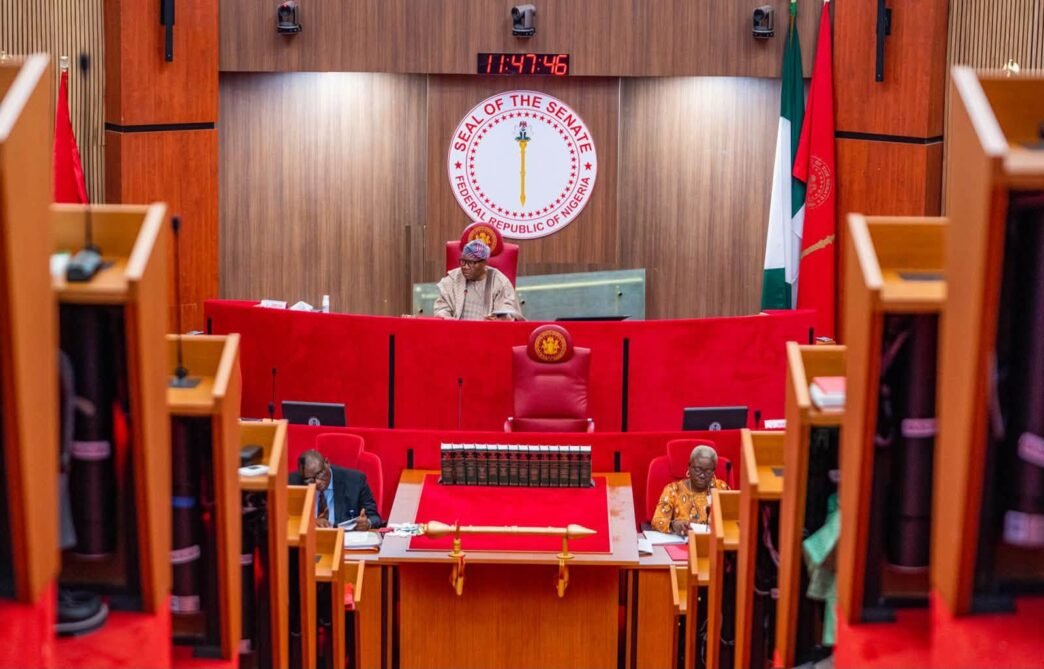
The Nigerian Senate, often called the “Red Chamber,” is the upper house of the country’s National Assembly. But what exactly does it do, how does it function, and why is it so vital to Nigerian democracy? This guide takes you behind the scenes of the Senate’s inner workings, making the legislative process engaging and easy to understand.

The Structure of the Senate
The National Assembly is Nigeria’s lawmaking body, made up of two chambers: the House of Representatives (the lower chamber) and the Senate (the upper chamber). The Senate consists of 109 members, three senators from each of Nigeria’s 36 states, and one from the Federal Capital Territory (FCT). Each senator serves a four-year term, with no term limits as long as they keep winning at the polls.
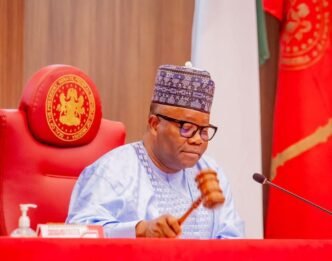
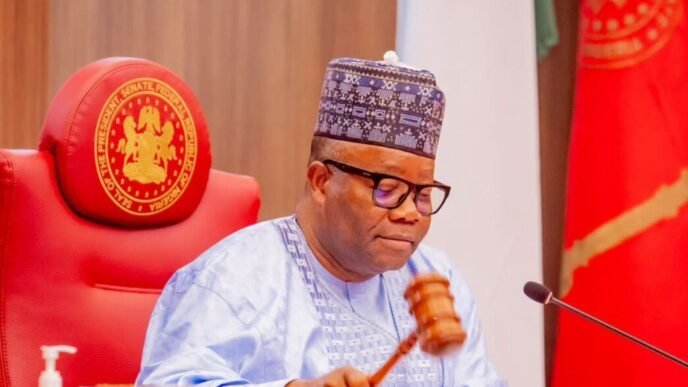
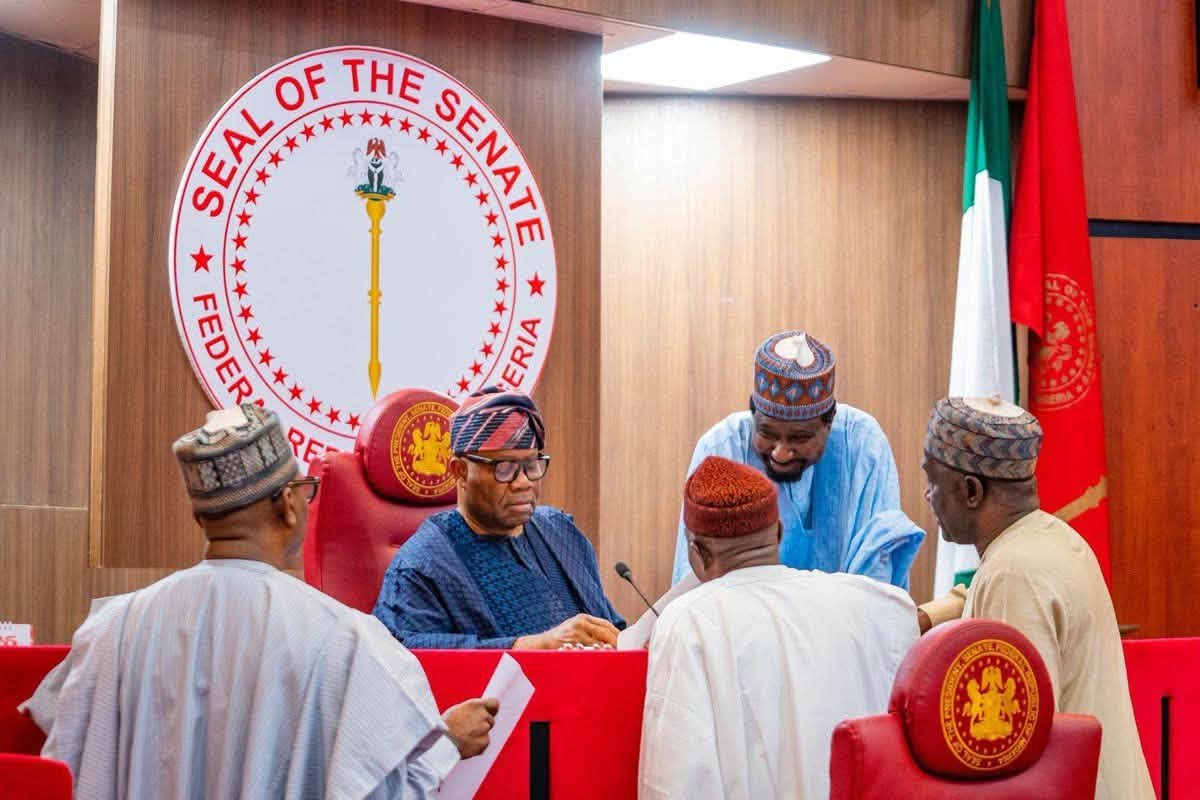
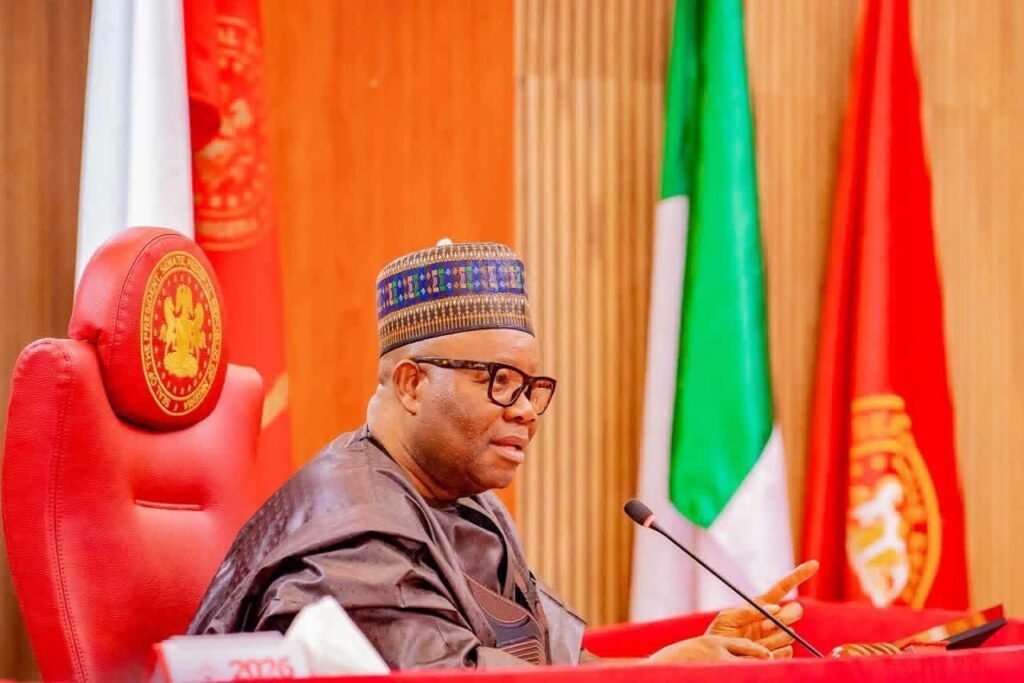
At the top of the Senate is the Senate President, currently Senator Godswill Obot Akpabio, who presides over sessions, enforces order, and represents the Senate to the world. The Senate President is second in line to the Presidency, making this a position of immense national importance. Assisting the President are the Deputy Senate President, other principal officers (such as Majority and Minority Leaders, Whips, and their deputies), and 63 standing committee chairpersons who oversee specific areas of government.
What Powers Does the Senate Hold?
The Senate’s main job is to make laws for the peace, order, and good governance of Nigeria. But its responsibilities go far beyond simply passing bills:
- Lawmaking: Every law in Nigeria starts as a bill, which must be debated and approved by both the Senate and House of Representatives, then signed by the President. Bills cover everything from national security to education and health.
- Oversight: The Senate acts as a watchdog over government ministries and agencies, ensuring that public money is spent wisely. It can summon public officials, demand accountability, and investigate corruption or inefficiency.
- Confirmation of Appointments: Many top government jobs including ministers, ambassadors, judges, and agency heads require Senate approval. This means the President’s choices are subject to tough scrutiny.
- Impeachment: The Senate has the power to initiate impeachment proceedings against the President, Vice President, federal judges, and other top officials if they violate the Constitution or abuse their office.
- Responding to National Issues: Whether it’s insecurity, epidemics, floods, or industrial disputes, the Senate can debate urgent matters and help the nation find solutions.
Inside the Senate: How Business Gets Done
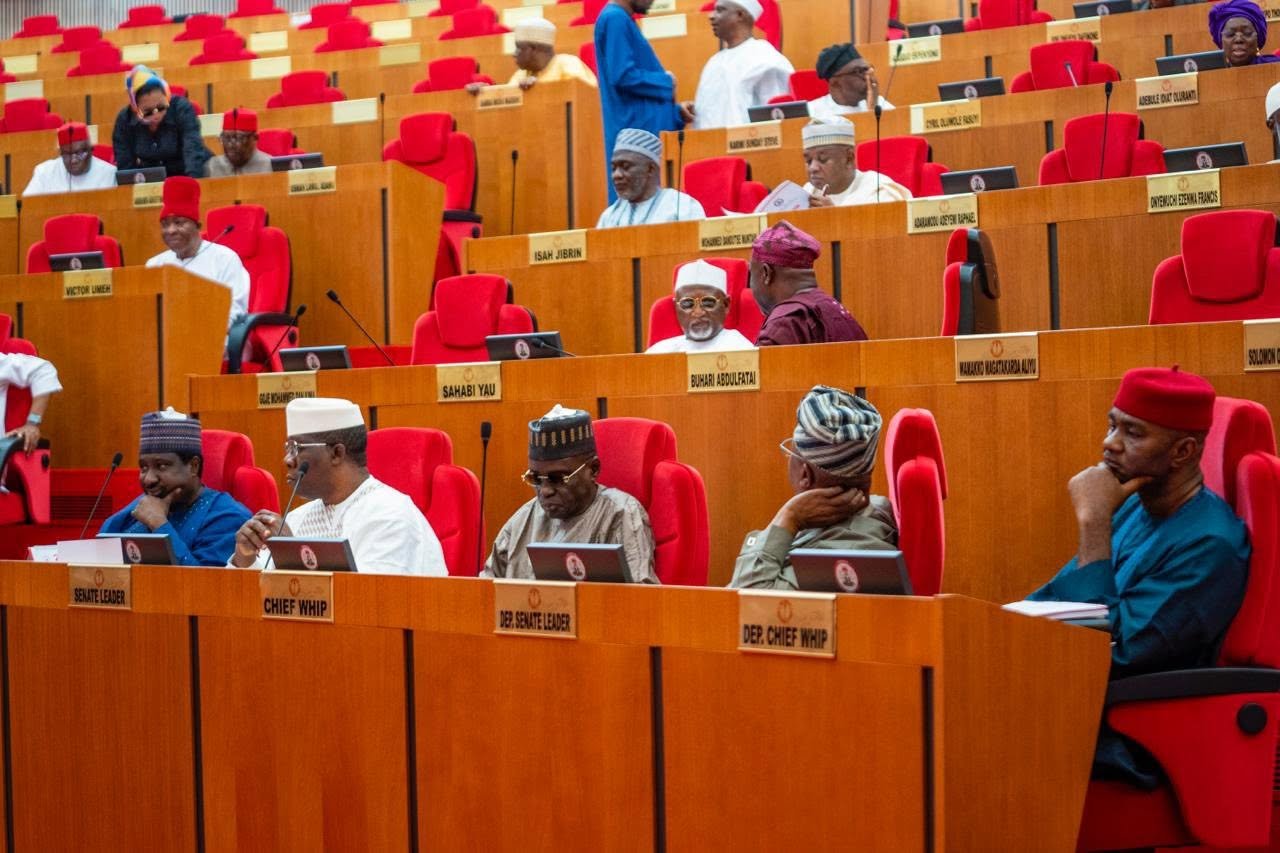
The Senate’s daily business is governed by a strict set of rules called the Standing Orders. They outline everything from who may speak in debates to how votes are counted. For any meeting to be official, at least 37 senators must be present, a requirement known as a quorum.
The Committee System:
The Senate divides its work among dozens of standing and special committees. These groups take deep dives into national issues reviewing bills, holding public hearings, and inviting expert witnesses before reporting back to the full chamber. This system ensures that every bill or policy gets thorough, expert attention.
How a Bill Becomes Law:
- First Reading: The bill’s title is read out—no debate yet.
- Second Reading: Senators debate the bill’s general principles. If it passes, it goes to a committee.
- Committee Stage: The committee scrutinizes the bill, may hold public hearings, and recommends changes.
- Third Reading: The full Senate reviews the final version and votes.
- Presidential Assent: If both chambers agree, the bill goes to the President for signature and becomes law.
The Senate’s Three Pillars of Power
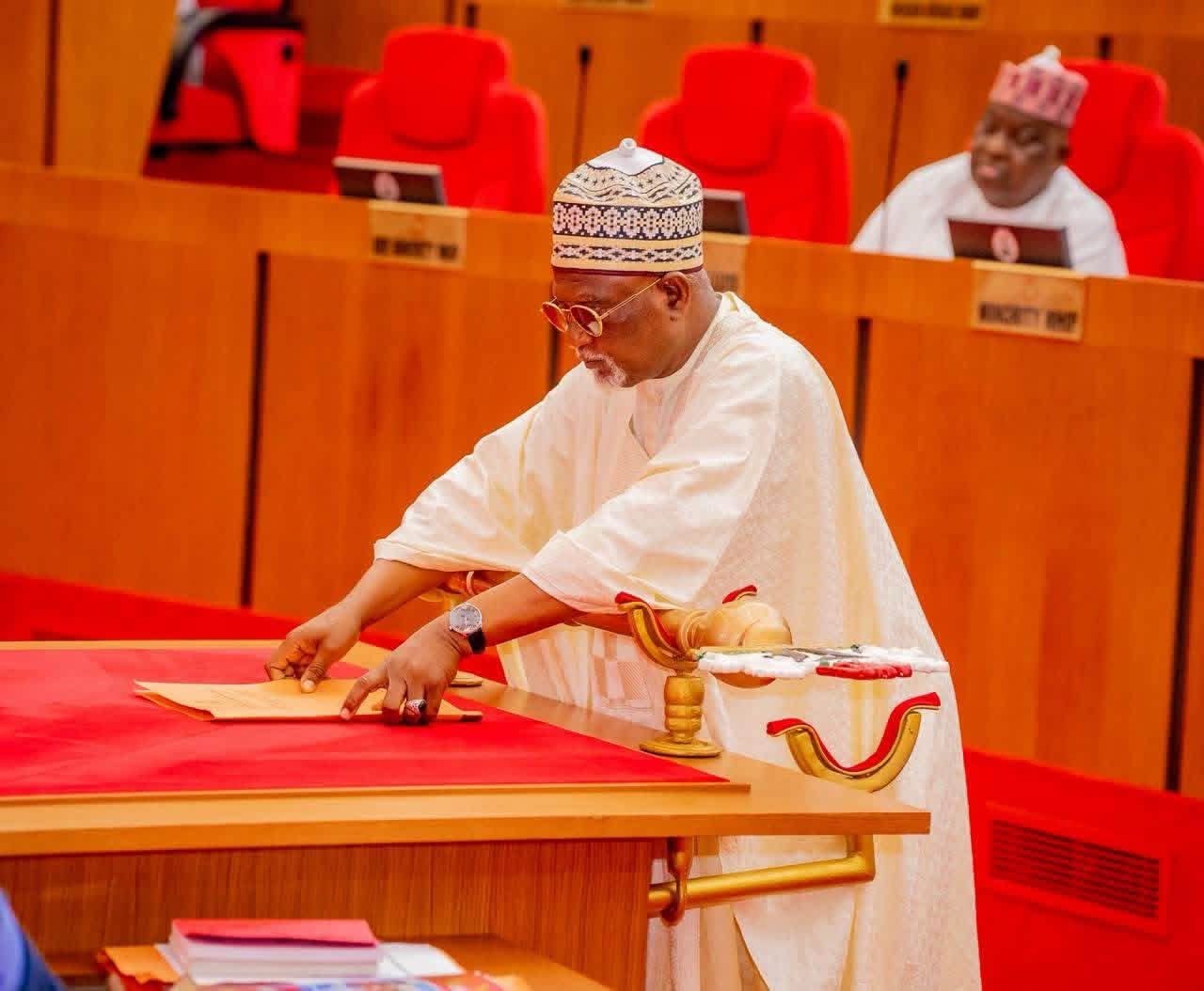
- The Power of the Purse: The Senate reviews and approves the annual federal budget, deciding how public funds are spent. It can increase, decrease, or amend budget proposals from the President.
- Oversight and Investigations: The Senate can probe any area of government, summon officials, and compel testimony making sure the public interest comes first.
- Confirmations and Impeachment: The Senate must confirm key government appointments and can remove top officials for misconduct, protecting the Constitution and democracy.
Why the Senate Matters
The Nigerian Senate is more than just a lawmaking body, it’s a guardian of the people’s interests, a check on executive power, and a forum for national debate. By understanding how the Senate works, every citizen can better appreciate the strength and challenges of Nigeria’s democracy.
Whether you aspire to public service, want to follow politics more closely, or simply wish to be a more informed voter, knowledge of the Senate’s role is your key to understanding how Nigeria is governed.