The Senate of the Federal Republic of Nigeria on Tuesday took a definitive stand against the country’s worsening security crisis, overwhelmingly rejecting any ongoing or future policy aimed at rehabilitating and reintegrating repentant Boko Haram fighters and other terrorists into society. Lawmakers insisted that perpetrators of mass violence must face the full weight of the law rather than receive government-sponsored reintegration.
The firm legislative stance emerged during an emotional plenary debate following a motion sponsored by Senator Abdulaziz Musa Yar’Adua (Katsina Central). The motion addressed the alarming escalation of targeted attacks, abductions, and killings of both serving and retired military personnel across the nation underscored by the tragic death in captivity of retired Major General Rabiu Abubakar, the former Director of Defence Information, who was abducted by bandits in Katsina State.
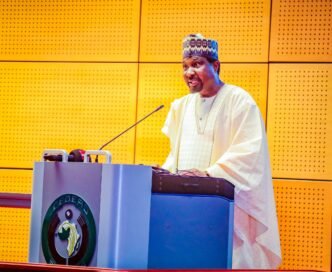
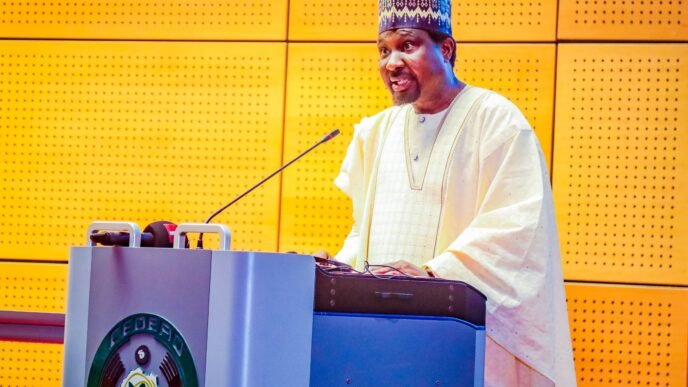
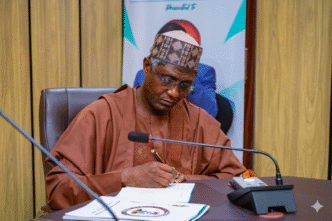
Seconding the prayer, Senator Adams Oshiomhole argued passionately that rehabilitation and pardon programmes for terrorists amount to an insult to their victims and a reward for criminality.
It does not make even common sense to grant pardon, rehabilitate, and integrate criminals into society.
Senator Adams Oshiomole.
Following Senator Oshiomhole’s declaration, lawmakers from various parties expressed widespread and audible support before the motion was formally adopted through a voice vote.
Corroborating this sentiment, Senator Osita Izunaso (Imo West) stressed that the Nigerian public expects concrete judicial outcomes rather than routine administrative appeals, demanding that security agencies aggressively track down and prosecute those responsible for Major General Abubakar’s death amid reports that local actors may have vital intelligence on the perpetrators.
Recognizing the gravity of the national security situation, Senate Leader, Senator Opeyemi Bamidele proposed that the upper chamber bypass routine channels to engage directly with the Executive. The Senate subsequently adopted a resolution to dispatch a high powered delegation, led by the Senate Leadership, to interface directly with President Bola Ahmed Tinubu to formally present the legislature’s deep concerns over the nationwide security situation.
While lawmakers painted a grim picture of an environment where even decorated intelligence and operational military veterans are targeted, Deputy Senate President Barau Jibrin cautioned against demoralizing the military. He defended the Armed Forces, noting that terrorism and banditry have assumed complex, cross-border dimensions across West Africa, and praised the heavy sacrifices made daily by men and women in uniform.
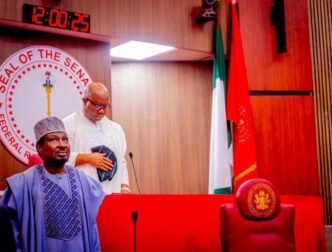
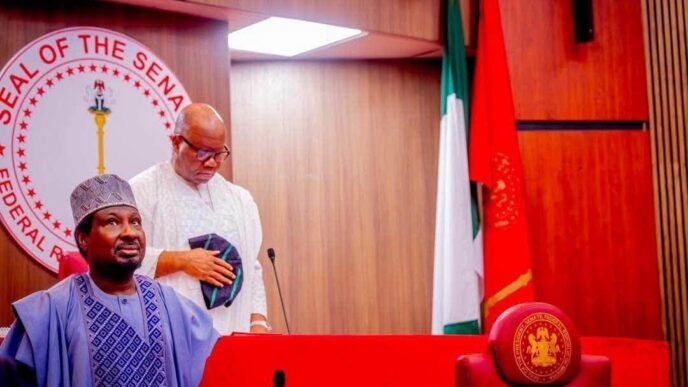
Following the extensive debate, the Senate observed a minute of silence to honor Major General Rabiu Abubakar and all Nigerian victims of terrorism, insurgency, banditry, and kidnapping.
The upper chamber officially resolved to:
Enforce Judicial Accountability: Mandate security agencies to aggressively arrest and prosecute the killers of Major General Rabiu Abubakar and ensure terrorists face trial rather than rehabilitation.
Engage the Presidency: Send a high powered Senate leadership delegation to brief President Bola Ahmed Tinubu on the deteriorating security landscape.
Deploy Advanced Technology: Demand that security agencies accelerate the deployment of modern security technologies, surveillance equipment, and early warning systems.
Strengthen Intelligence and Community Ties: Force closer inter-agency collaboration and deepen intelligence-sharing partnerships with traditional rulers, religious leaders, and local communities.
Extend Condolences: Send an official Senate delegation to condole with the family of the late Major General Abubakar, the Katsina State Government, and the Nigerian Army.
The Senate’s resolutions mark a sharp pivot toward a strictly citizen and justice-centered security strategy, sending a clear message that the state will prioritize justice for victims over the leniency of rehabilitation for violent extremists.