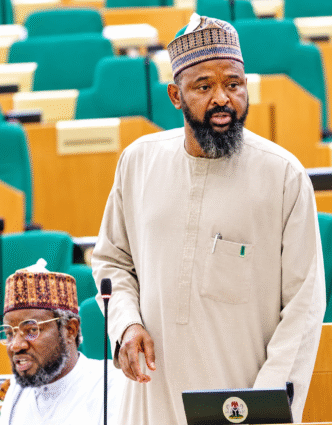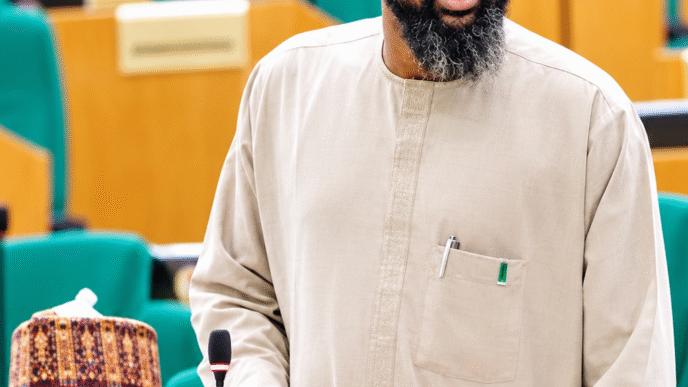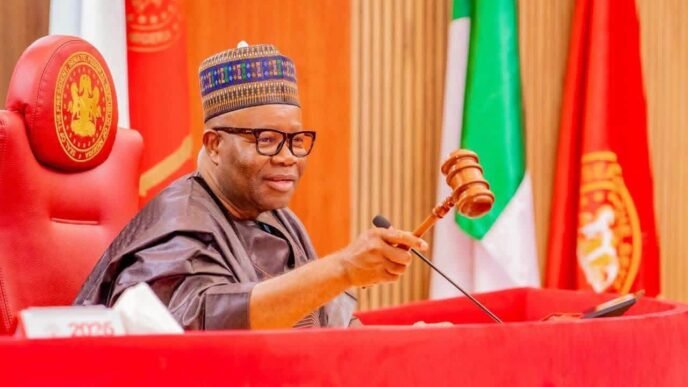
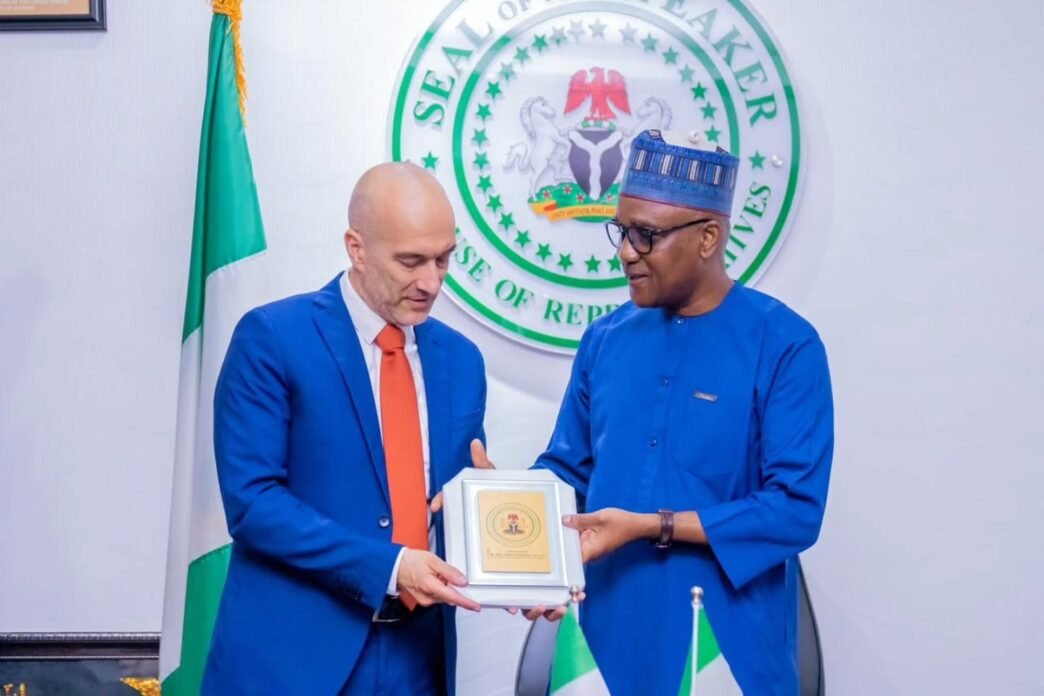
The Speaker of the House of Representatives, Rt. Hon. Abbas Tajudeen, has called for intensified bilateral measures between Nigeria and Italy to dismantle human trafficking networks, especially the exploitation of women and minors. He made the call on Wednesday, May 14, 2026, during a meeting with the Italian Ambassador to Nigeria, Roberto Mengonie.
Human trafficking is a stain on our humanity. Nigeria and Italy must continue to work together until this menace is defeated.
– Rt.Hon. Abbas Tajudeen
While acknowledging that Italy hosts one of the largest Nigerian diaspora populations in the European Union – with roughly 137,000 documented residents – Abbas pointed out that the central Mediterranean corridor has simultaneously served as a primary route for criminal syndicates exploiting vulnerable Nigerians, particularly women.
The human trafficking pipeline between Nigeria and Italy dates back to the mid-to-late 1980s. Initially fueled by domestic economic shifts and structural adjustment programs in Nigeria, the irregular migration route quickly became monopolized by highly organized transnational crime syndicates.
Over the last 30 years, these operations evolved into sophisticated networks. Organized criminal confraternities operating out of Nigeria forged deep logistical alliances with European syndicates, including local Italian mafias. Together, they established a lucrative, multi-million-dollar human trafficking enterprise for sexual and labor exploitation.
Historically, victims – predominantly young women and unaccompanied minors- have been coerced through deceptive promises of legitimate employment in Europe, debt bondage, and psychological manipulation. Upon arrival via irregular transit routes, many find themselves trapped within legal and institutional loopholes in Europe’s immigration and asylum frameworks, leaving them highly susceptible to prolonged exploitation.
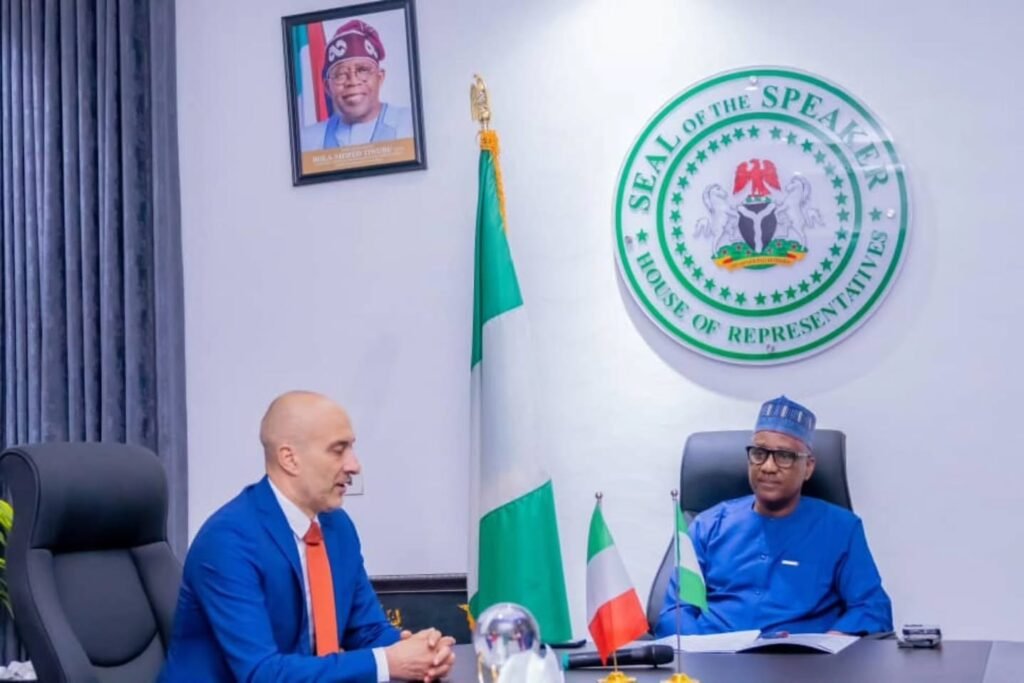
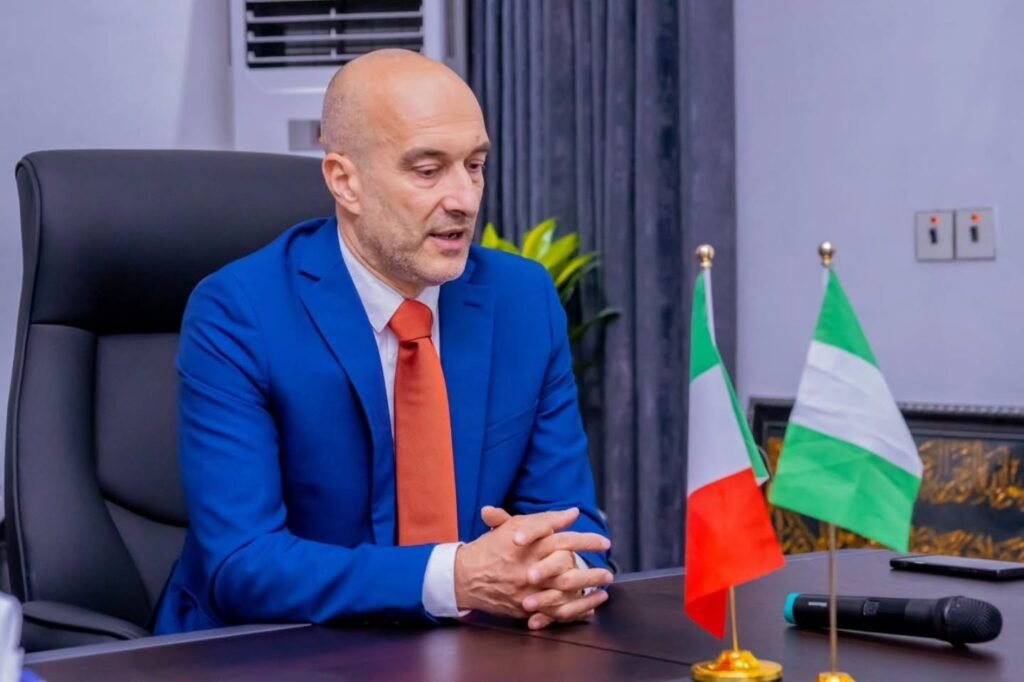
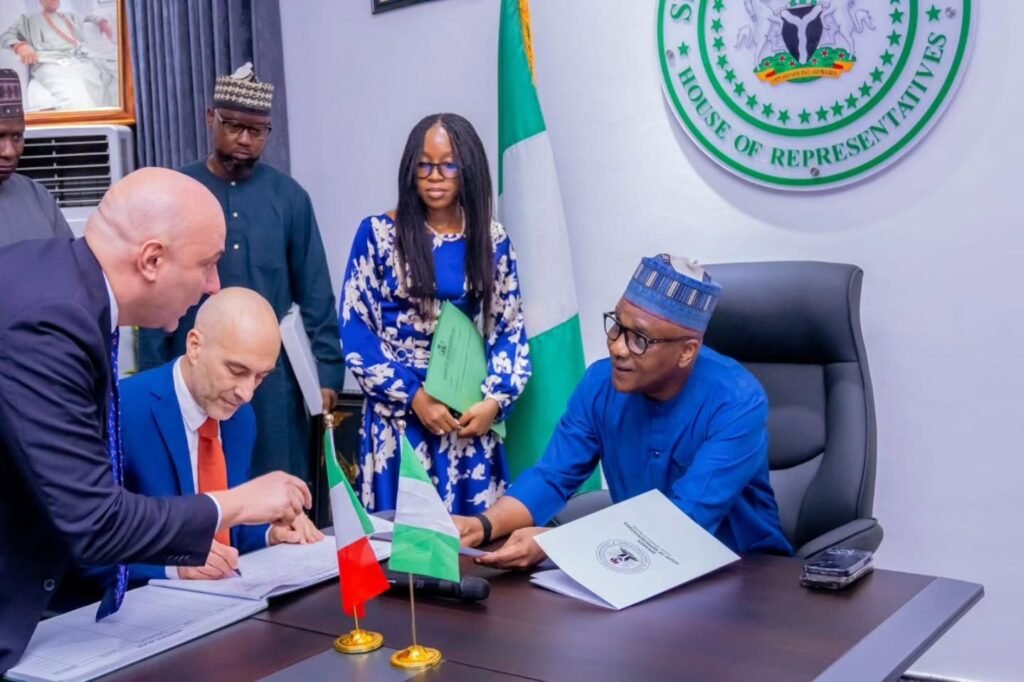
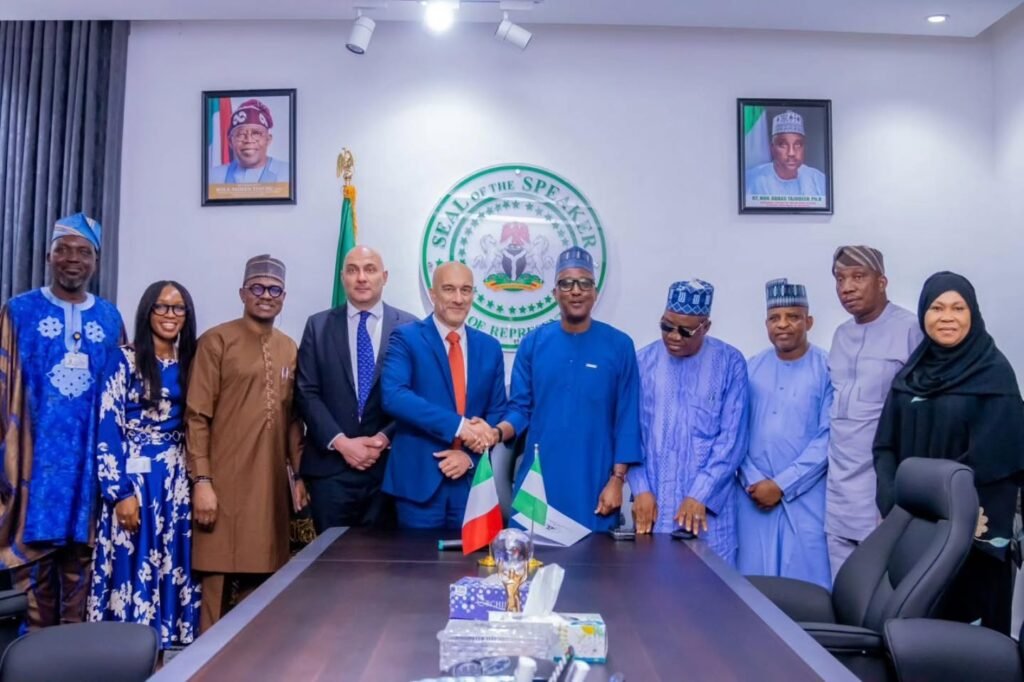
During the meeting, both parties also reaffirmed a shared commitment to deeper cooperation in education, health, energy, security, and economic development, while advancing legal pathways and opportunities for skilled Nigerians.
Concluding the session, the Speaker noted that the immediate task before both governments is to transform their long-standing diplomatic friendship into a more robust, practical partnership. According to Abbas, strengthening these bilateral ties remains fundamental to achieving safer societies and securing greater economic prosperity for the peoples of both nations.