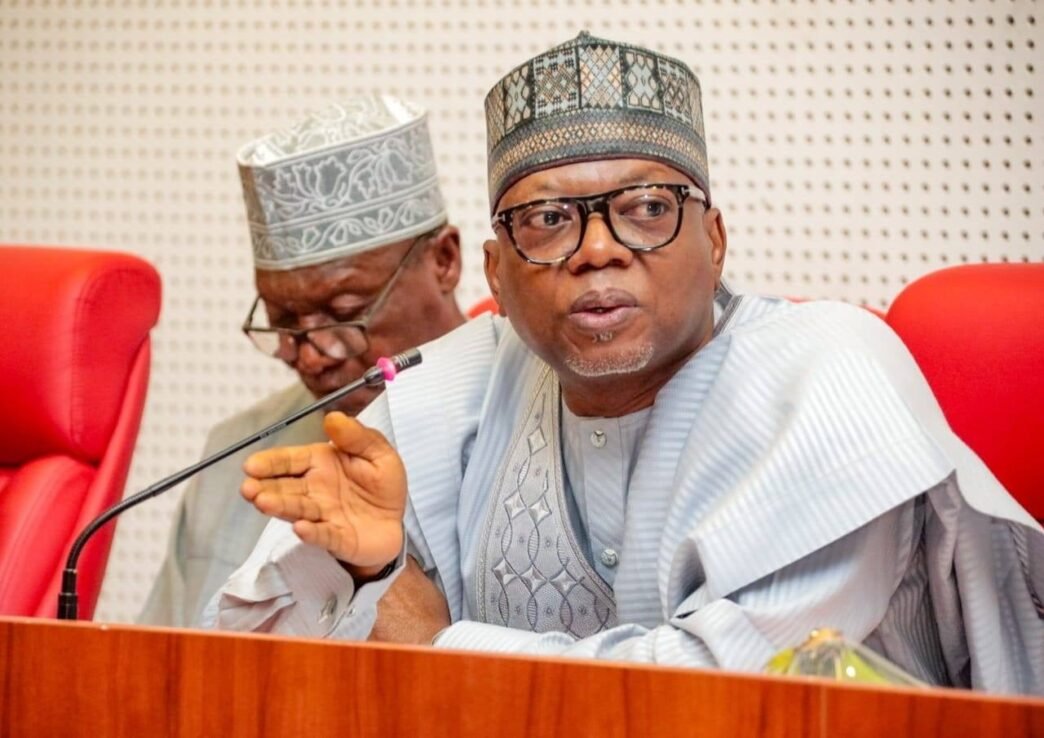
The Senate Committee on Finance has issued a stern directive to the Federal Government’s Economic Management Team, calling for an immediate end to the “envelope budgeting” system and a return to decentralized contractor payments to rescue the nation’s stalling infrastructure projects.
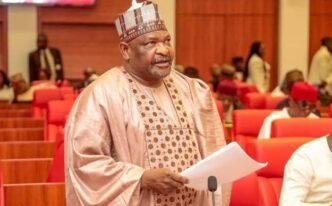
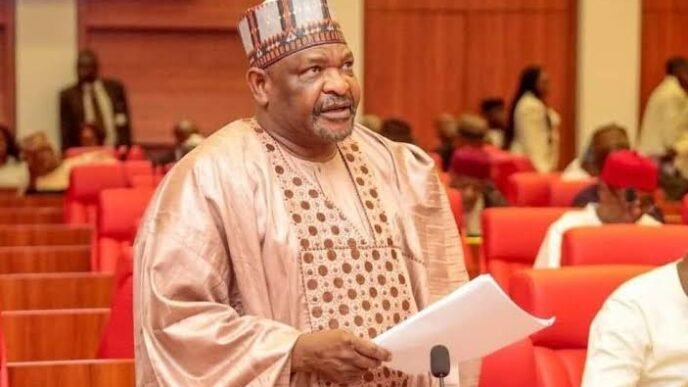
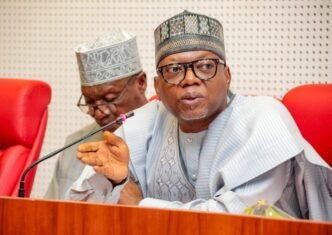
During a high-stakes interactive session on the 2026 Budget, Committee Chairman Senator Sani Musa (APC, Niger East) argued that the current fiscal models have failed to deliver tangible economic relief to ordinary Nigerians and have led to a mounting debt crisis for contractors.
The Case for Budgetary Reform
The Committee officially recommended replacing the “envelope system”—which provides MDAs with pre-determined spending limits regardless of need—with a Priority-Based or Performance-Based Model.
“The incremental allocation model has outlived its usefulness,” Senator Musa stated. “It promotes routine expenditure expansion rather than strategic prioritization. We must transition to a system where budgets are time-bound, measurable, and strictly adhered to within the annual cycle.”
Decentralizing Payments to Contractors
Addressing the backlog of unpaid debts for projects executed in 2024 and 2025, the Committee urged the Federal Government to scrap the current centralized payment system. The Senate advocates for a return to the previous model, which empowers individual Ministries, Departments, and Agencies (MDAs) to pay contractors directly for successfully completed jobs.
Members of the Committee emphasized that the current bottleneck at the center is stifling economic activity and leaving essential projects abandoned.
Legal Accountability in Budget Implementation
Contributing to the debate, Senator Yahaya Abdullahi (Kebbi North) reminded the Economic Teamincluding Finance Minister Wale Edun and Budget Minister Atiku Bagudu that the national budget is a law, not a suggestion.
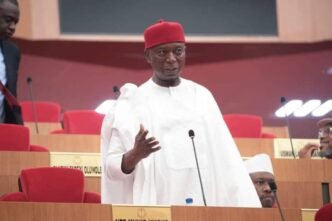
“Failure to implement the budget is illegal,” Senator Abdullahi declared. He noted that while revenue shortfalls may occur, the Fiscal Responsibility Act provides the legal pathway for adjustments, which must be brought back to the National Assembly for approval rather than simply leaving budgeted projects unexecuted.
Executive Response: Debt Profile and 2026 Outlook
In his defense, the Minister of Finance, Wale Edun, assured the Committee that the outlook for the proposed ₦58.472 trillion 2026 Budget remains positive. Addressing concerns over Nigeria’s ₦152 trillion debt profile, Edun clarified:
- ₦30 Trillion: Inherited “Ways and Means” advances.
- ₦9 Trillion: Resulting from exchange rate adjustments.
- ₦20 Trillion: Actual additional borrowing since 2023.
The Minister pledged that the 2026 fiscal year would focus on “growth-enhancing projects” prioritized by the President to ensure maximum impact on the economy.
Key Resolutions of the Committee:
- Abolish Envelope Budgeting: Move toward priority-driven allocations.
- Decentralize Treasury: Revert to MDA-led contractor payments.
- Strict Fiscal Discipline: Ensure the 2026 budget cycle starts and ends without overlapping previous years.
- Debt Portfolio Review: Consideration of debt-to-growth ratios to maintain market liquidity.