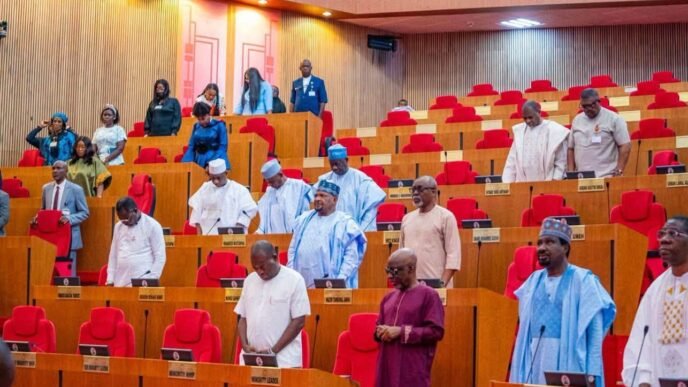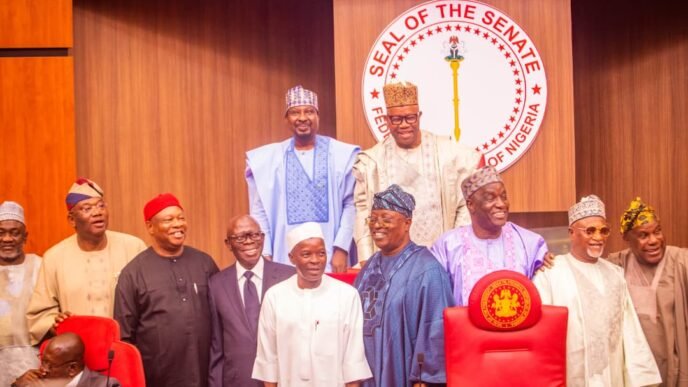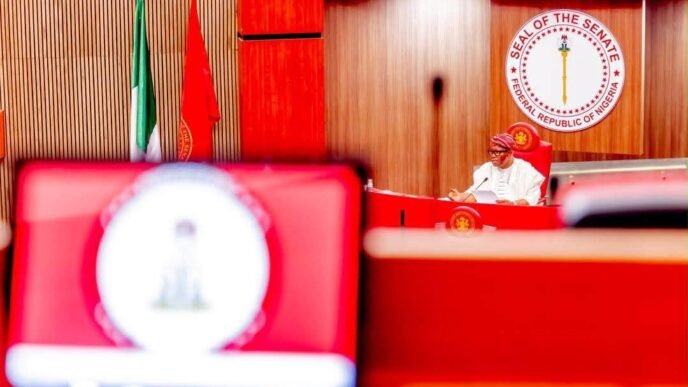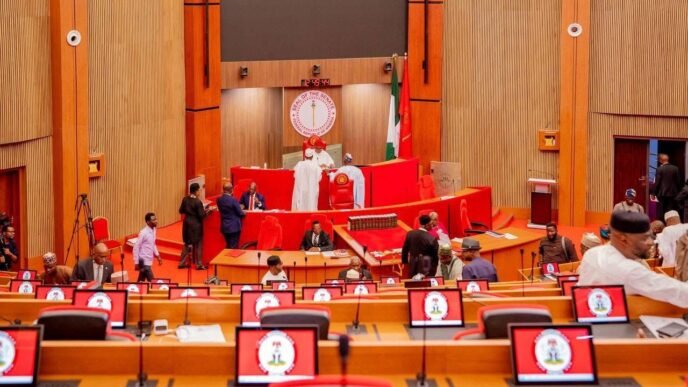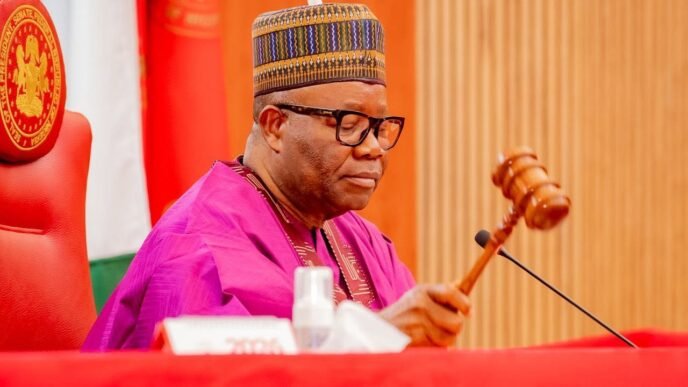
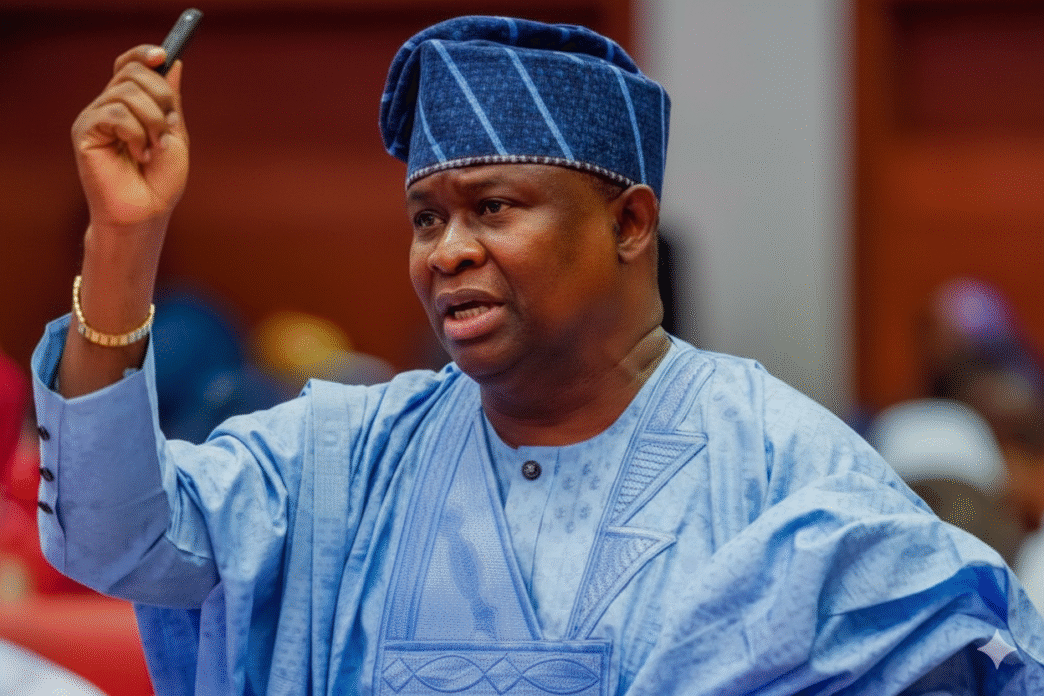
Senator Solomon Adeola, Chairman of the Senate Committee on Appropriation, held a press briefing today to provide a detailed breakdown of the 2026 National Budget, recently passed at ₦64.832 trillion. The figure represents a strategic increase from the ₦58.015 trillion originally proposed by President Bola Ahmed Tinubu.
Senator Adeola explained that the ₦6.8 trillion upward revision is a proactive response to pressing national priorities. The Chairman outlined a diversified funding strategy to support this increase, ensuring the budget remains grounded in fiscal reality:
Oil Benchmark Adjustment: The benchmark oil price was raised from $65 to $75 per barrel, projected to generate an additional ₦2.5 trillion.
Independent Revenue: Enhanced tax contributions from the Nigerian Communications Commission (NCC) are expected to yield ₦870 billion.
Strategic Borrowing: While acknowledging concerns regarding debt, Adeola emphasized that borrowing is being directed toward high-impact infrastructure projects essential for long-term economic expansion.
The Chairman noted that the administration’s reforms are yielding tangible results, pointing to a steady improvement in macroeconomic indices and Nigeria’s rising global credit rating.
“Our economy is gaining momentum,” Senator Adeola stated. We are seeing the fruits of our reforms through increased foreign interest, including a recent £1 billion investment deal secured in London. While we are currently meeting a ₦2.2 trillion monthly debt service obligation, these investments are the engine for our future self-sufficiency.
The 2026 Budget of Growth includes significant allocations aimed at transforming the national landscape:
₦5.7 Trillion earmarked for critical development projects.
₦2 Trillion dedicated to Legacy Projects intended to provide permanent infrastructure solutions.
In his closing remarks, Senator Adeola reaffirmed the National Assembly’s commitment to transparency and the President’s vision for a functional Nigeria. He urged citizens to remain supportive of these economic shifts, characterizing them as necessary steps toward sustainable development.
“The administration is fully committed to making Nigeria work for every citizen,” Adeola concluded, before opening the floor to questions from the press gallery.