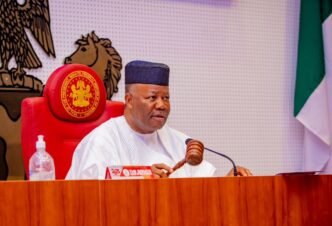
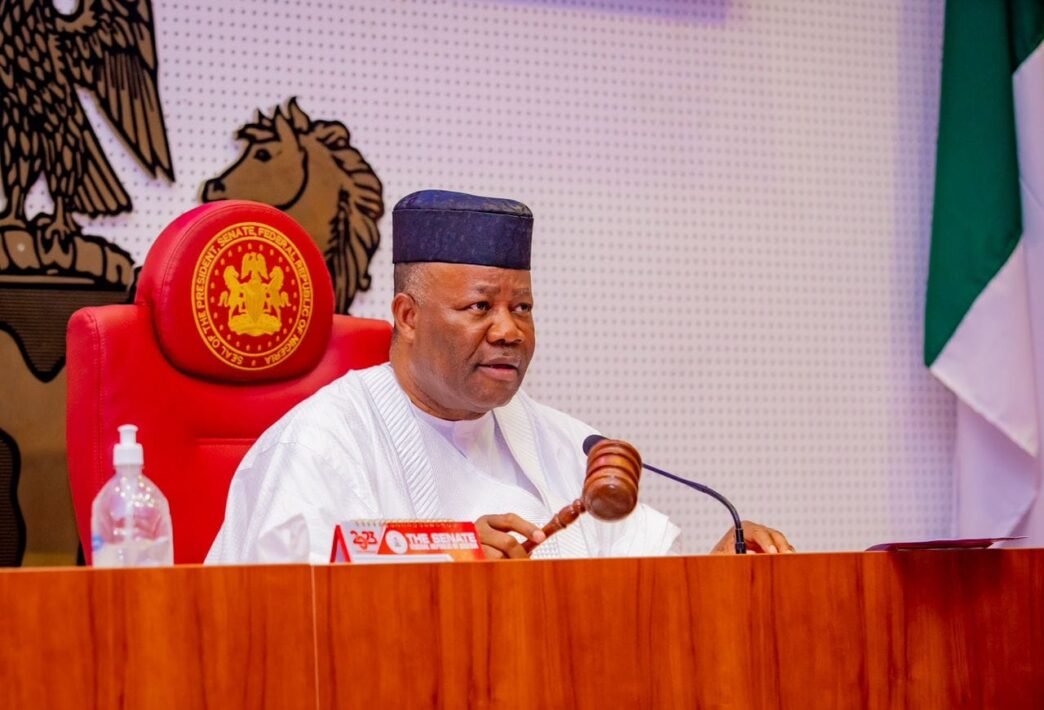
The President of the Nigerian Senate, Senator Godswill Akpabio, has announced a decisive legislative shift to safeguard Nigeria’s petroleum industry, labeling oil theft and the importation of substandard fuel as economic sabotage that threatens the nation’s core security.
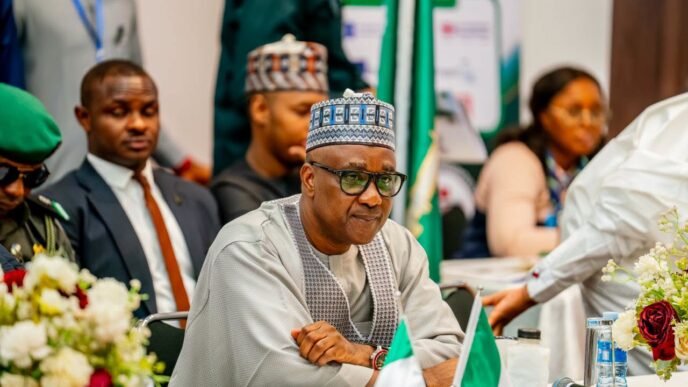
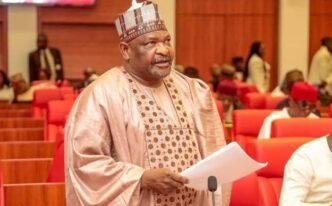
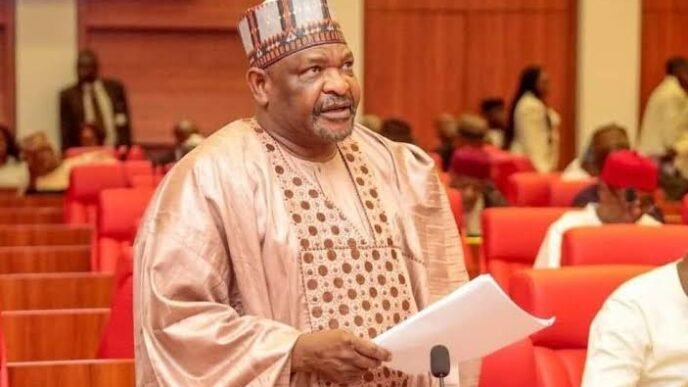
Speaking at a joint session of the National Assembly Committee on Petroleum Resources in Abuja, Senator Akpabio represented by Senator Jimoh Ibrahim emphasized that the petroleum sector remains the indispensable lifeblood of the Nigerian economy, fueling critical investments in healthcare, education, and infrastructure.
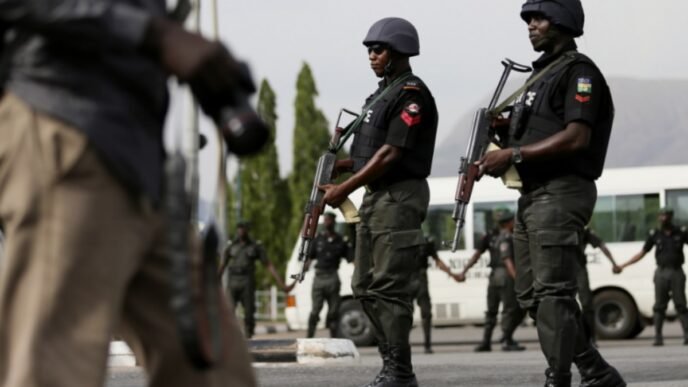
In a significant policy shift, the Senate President revealed that the 10th Assembly is weighing new legislation to officially classify oil theft as an act of terrorism. This move is designed to dismantle both local syndicates and their international networks by imposing the highest legal deterrents.
“Oil theft and the influx of inferior fuel products are not just crimes; they are direct assaults on our national stability and investor confidence,” Senator Akpabio stated.
Aligning with the federal government’s Renewed Hope Agenda, Senator Akpabio reaffirmed the Senate’s commitment to the full restoration of national refineries. The goal is to achieve total domestic energy security and permanently end Nigeria’s reliance on imported fuel.
Addressing recent price volatility, the Senate President clarified that current fluctuations are the necessary byproduct of deregulation. By removing the “shadow of subsidy,” the government aims to redirect billions of Naira toward essential social services that benefit the majority of Nigerians.
The Senate President signaled a willingness to review the nation’s primary energy law, stating the National Assembly is prepared to repeal or amend sections of the Petroleum Industry Act (PIA) to better promote local content and serve the public interest.
The Joint Committee (Senate and House of Representatives) is currently spearheading an intensive probe into:
Crude Oil Supply: Resolving the non-availability of crude oil to local refineries.
Substandard Products: Investigating allegations regarding the importation of low-quality fuel.
Regulatory Oversight: Strengthening the powers of industry regulators to prevent market manipulation.
To ensure these reforms take hold, Senator Akpabio called for a unified front involving host communities, security agencies, and international partners. The ongoing investigative hearings and roundtables aim to develop a sustainable enforcement framework that protects national assets and ensures the functionality of local refineries.
Originally scheduled for February, the current session was deferred to allow the Ministry of Petroleum Resources sufficient time to provide comprehensive documentation, ensuring a transparent and data driven reform process.