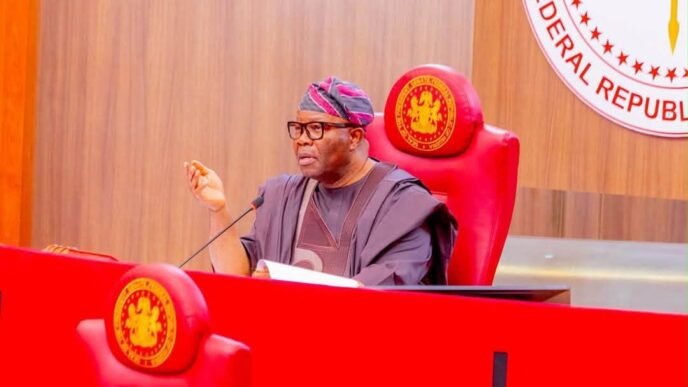
The Deputy Speaker of the House of Representatives, Rt. Hon. Benjamin Kalu, has dismissed lingering anxieties regarding the financial viability of the proposed state policing system, assuring Nigerians that the National Assembly is actively crafting a robust legislative framework to guarantee its sustainable funding.
Speaking with journalists in Abuja on Friday, June 26, 2026, upon his return from high-level international engagements at Chatham House and the London Climate Action Week in the United Kingdom, Kalu emphasized that financial constraints would not be allowed to hinder the successful implementation of this critical national security reform.
Addressing concerns that several states might lack the independent fiscal capacity to establish and maintain separate police formations, the Deputy Speaker clarified that the structural shift naturally involves a reallocation of functional burdens from the federal tier to subnational governments.
“We are looking at how to make sure that funding will not be a problem with regard to state policing because, as you know, it is like taking some of the responsibility of the Federal Government for the states to handle,” Kalu stated.
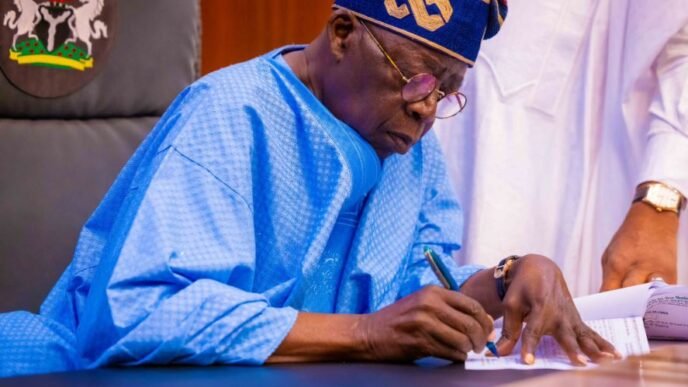
He further noted that the fiscal policies of the President Bola Ahmed Tinubu-led administration have already laid a solid foundation for this transition by substantially increasing federal allocations to states. “It is important to note that this current administration, which believes in federalism, has released more money to the states than ever before. So it wouldn’t be out of place if Mr. President said, ‘I’m already sending the states a lot of money. Part of it should be used for this,'” the Deputy Speaker added.
Beyond statutory allocations, Kalu disclosed that the Parliament is exploring alternative, innovative funding mechanisms to ensure long-term operational sustainability. He revealed that despite the current legislative recess, lawmakers have remained at work, utilizing the period to perfect the constitutional amendment bill and build a solid legislative foundation capable of supporting the decentralized policing structure.
Responding to concerns raised by stakeholders regarding the potential misuse of state police forces by state governors for political intimidation, the Deputy Speaker acknowledged the legitimacy of such fears but insisted that rigid institutional safeguards have been meticulously integrated into the draft legislation.
According to Kalu, the proposed constitutional amendment explicitly defines the powers, duties, and responsibilities of state police while establishing unalterable national minimum operational standards.
“They can increase the standard for the state, but they cannot go below the national minimum standard,” Kalu explained, emphasizing that state police formations will be strictly prohibited by law from engaging in partisan activities or politically motivated operations.
He further disclosed that upon the conclusion of the constitutional amendment process, the National Assembly will embark on a consequential repeal and re-enactment of the Police Act to provide a seamless, comprehensive legal framework for nationwide operations.
The Deputy Speaker stoutly dismissed claims that Nigeria’s security situation is deteriorating, asserting that empirical security data indicates a steady, measurable decline in criminal activity across the federation.
He attributed this positive trajectory to the Tinubu administration’s aggressive investment in national defense, noting that budgetary allocations to the sector have dramatically risen from approximately ₦2.1 trillion to over ₦5 trillion. Kalu added that the National Assembly is pursuing strategic legislation to place defense funding on a first-line charge to guarantee the timely and friction-free release of resources for vital security operations.
Kalu concluded by stating that these milestone constitutional reforms, security initiatives, and steady steps toward democratic consolidation formed the core of his briefings to international policymakers and development partners during his recent engagements at Chatham House.