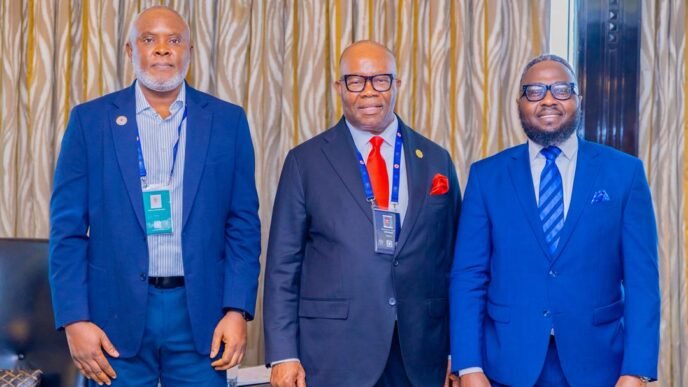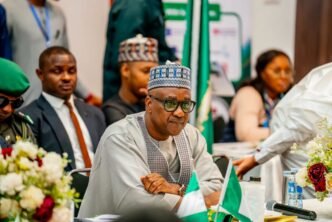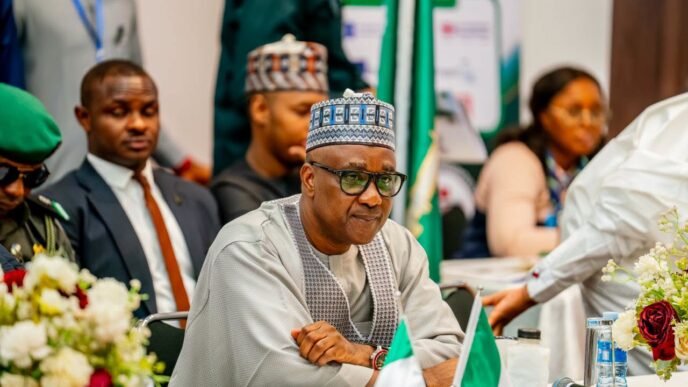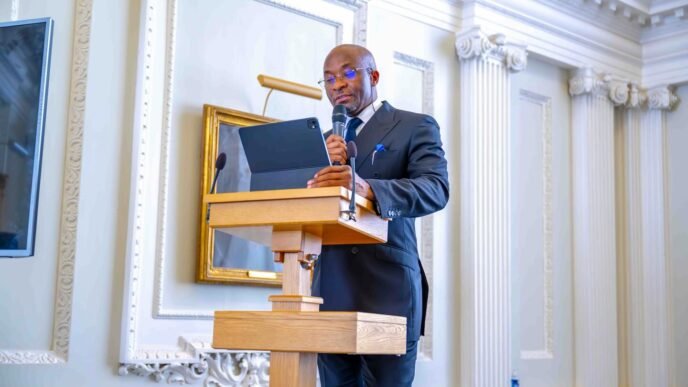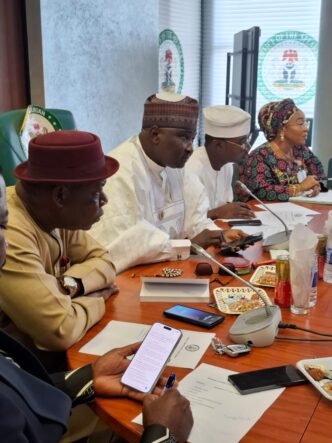
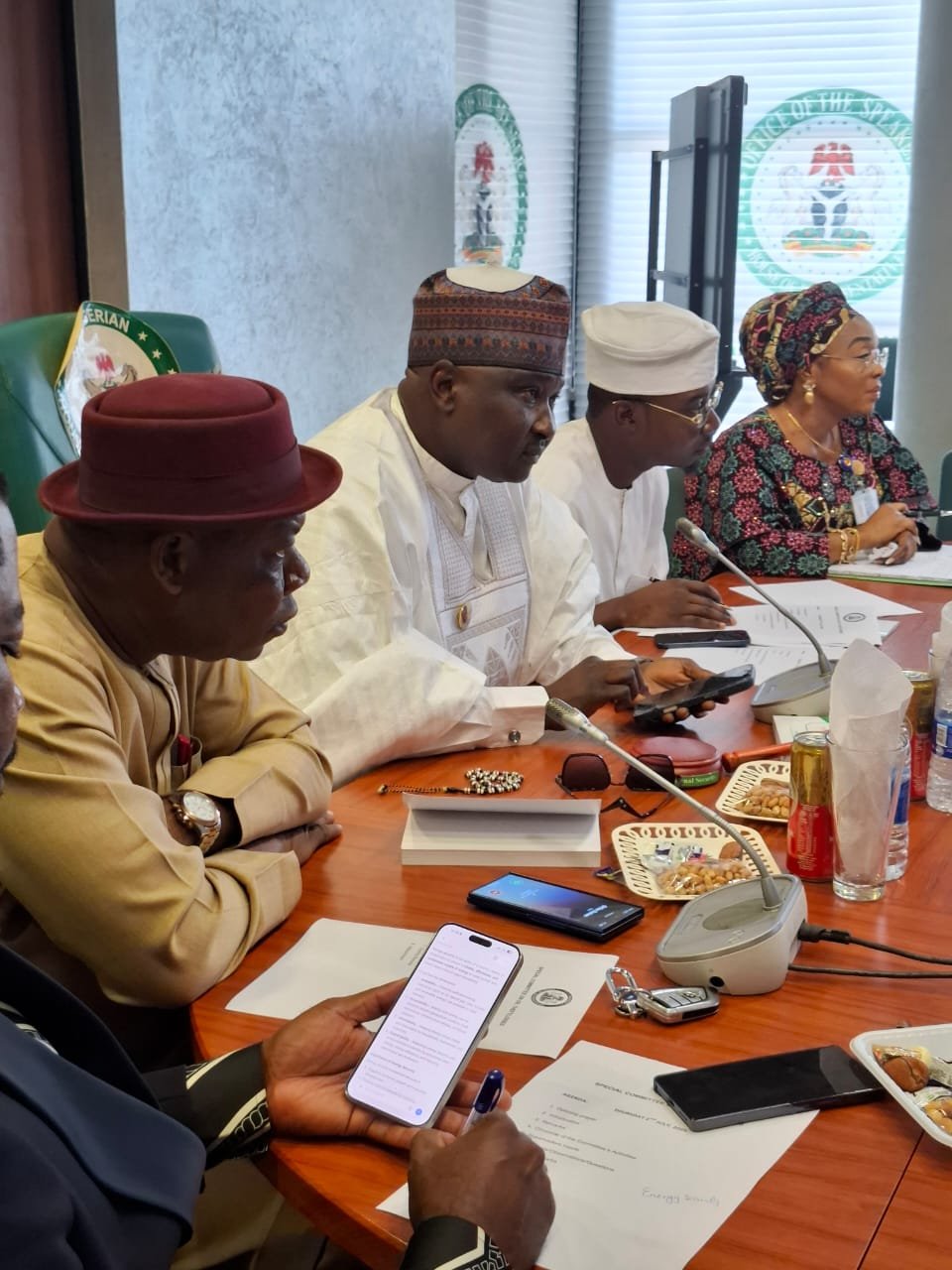
The House of Representatives Special Committee on Crude Oil Theft, chaired by Rt. Hon. Alhassan Ado Doguwa, OON, convened a high-level stakeholders’ meeting to address the persistent challenge of crude oil theft in Nigeria. The meeting brought together representatives from key security agencies, government institutions, and stakeholders in the oil and gas sector to review existing strategies and recommend stronger measures to combat the crime.
Key Issues Discussed
- Call for Stronger Laws
The Committee emphasized that Nigeria’s current legal framework is inadequate to effectively deter crude oil theft and the vandalization of oil infrastructure. Members argued that existing penalties are too lenient and do not reflect the enormous economic losses suffered by the country.
The Committee therefore proposed:
- More stringent penalties for individuals and organizations involved in crude oil theft.
- Amendments to outdated legislation dealing with oil theft and pipeline vandalism.
- A legal framework that ensures swift investigation, prosecution, and conviction of offenders.
- Proposal for a Special Court
One of the major recommendations was the establishment of a Special Court dedicated to crude oil theft and related economic sabotage cases.
According to the Committee:
- Specialized courts would speed up the trial of oil theft cases.
- Faster prosecution would discourage criminal networks.
- Judges with expertise in economic and petroleum-related crimes would improve the quality and consistency of judicial decisions.
- Strengthening Security Collaboration
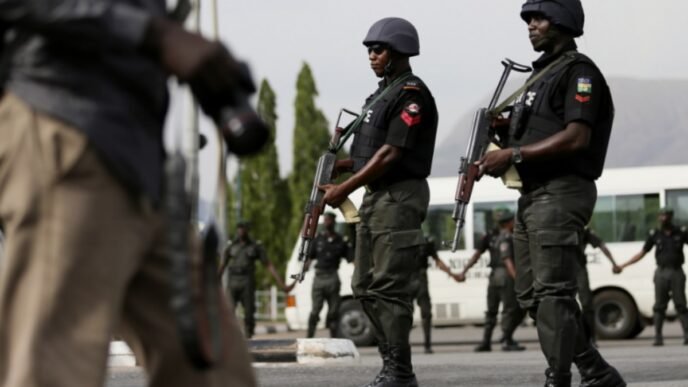
The meeting stressed the importance of enhanced cooperation among all security agencies involved in protecting Nigeria’s oil assets, including:
- The Armed Forces.
- The Nigeria Police Force.
- The Nigeria Security and Civil Defence Corps.
- Intelligence Agencies.
- Other Relevant Government Institutions.
The Committee noted that crude oil theft is highly organized and cannot be effectively addressed by any single agency acting alone.
- Institutional Accountability
Chairman Doguwa expressed concern over the absence of some critical regulatory institutions at the meeting. He stressed that agencies responsible for regulating Nigeria’s upstream petroleum sector have a central role in preventing oil theft and should actively participate in developing solutions.
The Committee maintained that every institution with statutory responsibilities in the oil industry must be fully accountable in the national effort to eliminate crude oil theft.
Protecting Nigeria’s Economy
The Committee highlighted that crude oil theft has severe consequences for Nigeria, including:
- Massive revenue losses.
- Reduced crude oil production.
- Lower foreign exchange earnings.
- Damage to critical oil infrastructure.
- Environmental degradation.
- Reduced investor confidence in Nigeria’s oil and gas industry.
Members described crude oil theft as a serious threat to national security and economic development.
Position of the Committee
The Committee reaffirmed its determination to support the Federal Government’s efforts to eliminate crude oil theft. It stated that stronger legislation, effective prosecution, improved inter-agency collaboration, and greater institutional accountability are essential to addressing the problem.
Chairman Rt. Hon. Alhassan Ado Doguwa reiterated that the Committee would continue consulting stakeholders and recommend practical legislative reforms to the House of Representatives. He emphasized that Nigeria cannot achieve sustainable economic growth while crude oil theft continues to undermine government revenue and national development.
Expected Outcomes
The Committee is expected to submit recommendations to the House of Representatives, which may include:
- Amendments to existing anti-oil theft laws.
- The establishment of a Special Court for crude oil theft cases.
- Stronger penalties for offenders.
- Improved coordination among security agencies and regulatory bodies.
- Additional oversight measures to strengthen the protection of Nigeria’s oil and gas infrastructure.
Conclusion
The meeting demonstrated the House of Representatives’ commitment to strengthening Nigeria’s response to crude oil theft through legislative reform, institutional cooperation, and enhanced enforcement. The Committee’s proposals are intended to reduce economic sabotage, safeguard national assets, increase government revenue, and restore confidence in Nigeria’s petroleum industry.