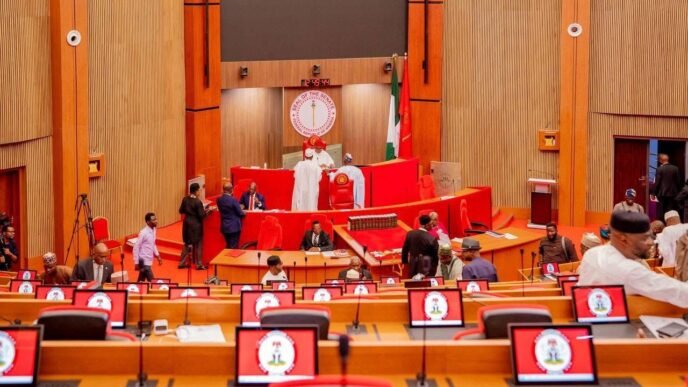

The House of Representatives has raised the alarm over a “national health security threat” as the cost of essential medicines in Nigeria continues to soar, leaving life-saving drugs out of reach for millions.
In a motion presented by Hon. Alex Mascot Ikwechegh, the House called for the immediate revival of the local pharmaceutical industry to break Nigeria’s dangerous 70% reliance on imported medicine.
Lawmakers noted that the price of common medications has spiked by as much as 300% to 500% over the last two years. This surge—driven by naira devaluation, inflation, and supply chain bottlenecks—has hit rural and underserved communities the hardest.
Despite a June 2024 Executive Order aimed at removing tariffs and VAT on pharmaceutical raw materials, the House observed that drug prices remain stubbornly high. Lawmakers blamed this on:
- Poor implementation of the tax waivers.
- Exchange rate volatility.
- Regulatory delays and lack of infrastructure.
- Limited access to affordable financing for local manufacturers.
The House expressed concern regarding the Federal Competition and Consumer Protection Commission (FCCPC). While the commission launched an investigation into the high cost of medicines in February 2025, it has yet to make its findings public.
Members argued that this delay, combined with the fact that Nigeria still imports over 70% of its Active Pharmaceutical Ingredients (APIs), leaves the country vulnerable to international price shocks and future pandemics.
To drive down costs and ensure national self-reliance, the House passed several resolutions:
- The House urged the Federal Government to establish a Pharmaceutical Industrialisation Fund through the Bank of Industry. This fund would provide low-interest, single-digit loans to local manufacturers and SMEs.
- Agencies including NAFDAC and the Pharmacists Council of Nigeria were urged to speed up the registration of locally made drugs without compromising safety.
- The Central Bank of Nigeria (CBN) and the Ministry of Trade were called upon to monitor the full implementation of the tax-free policy for pharmaceutical equipment.
- The National Orientation Agency was tasked with launching a nationwide campaign to encourage Nigerians to patronize locally manufactured medicines.
“Reviving local production is a strategic imperative,” the motion concluded. “It is about more than just business; it is about job creation, industrial development, and ensuring every Nigerian can afford the medicine they need to stay alive.”