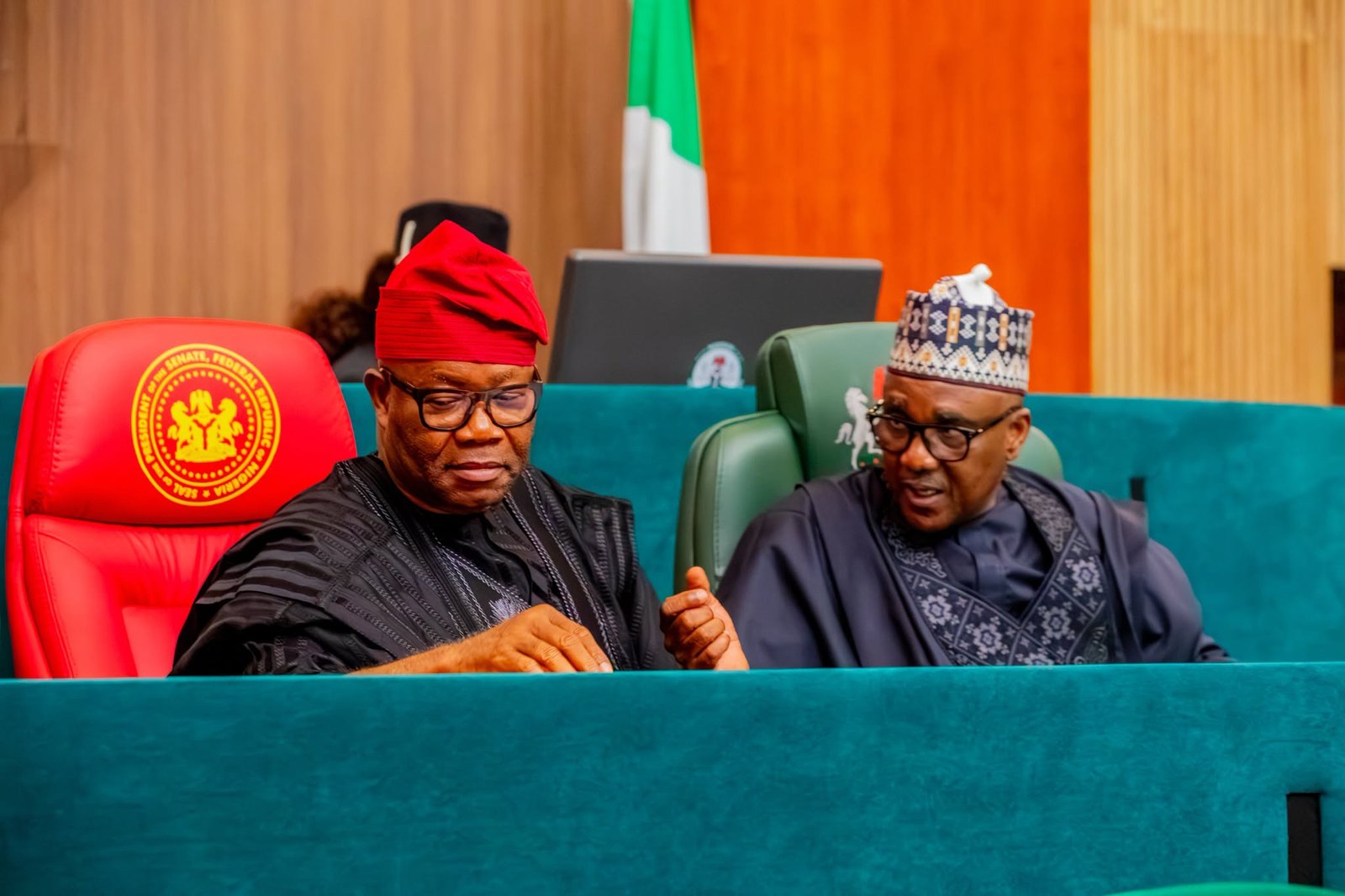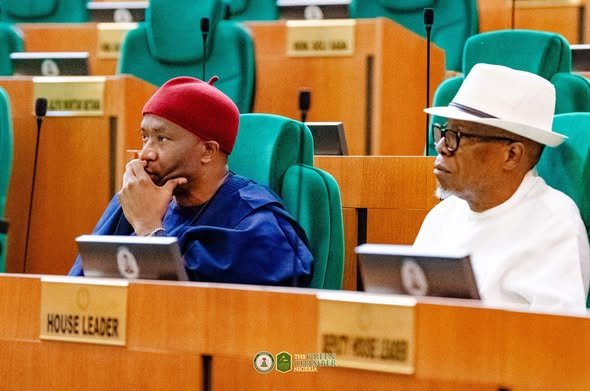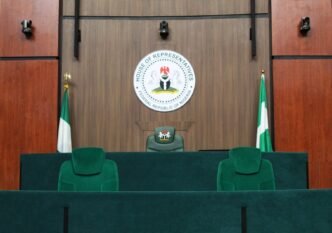
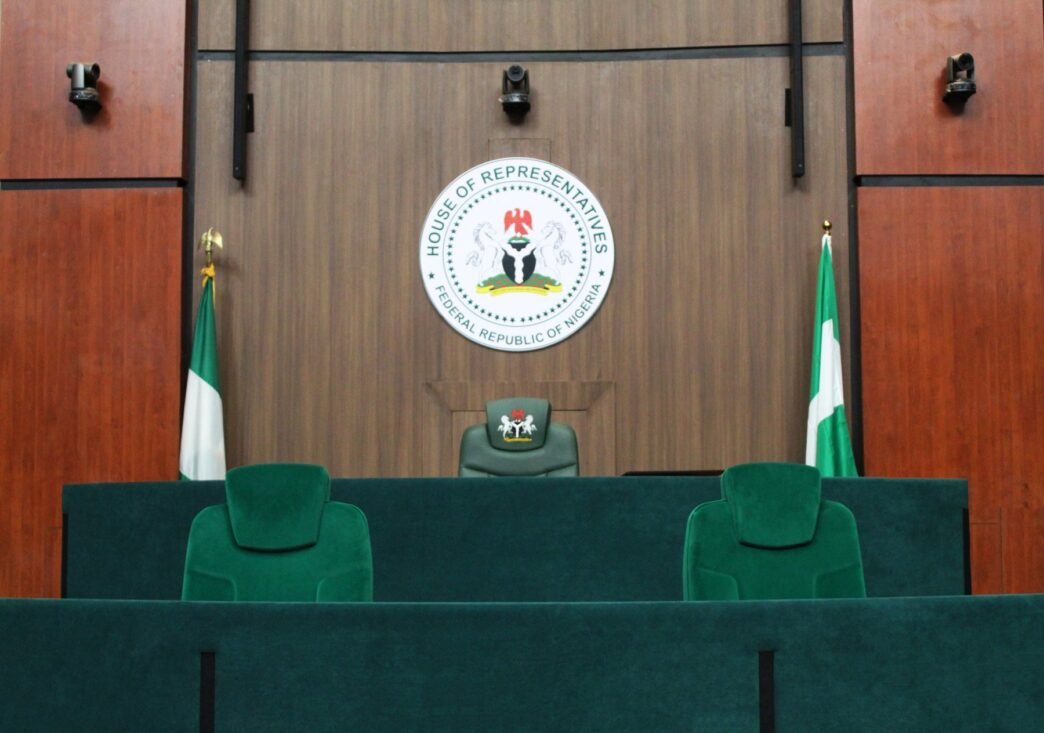
The House of Representatives, often referred to as the “Green Chamber,” serves as the lower house of Nigeria’s bicameral National Assembly. With a mandate rooted in Nigeria’s Constitution, the House plays a central role in lawmaking, oversight, and representing the interests of citizens across the federation. Modeled after the United States House of Representatives, it acts as the “people’s house,” balancing political power and ensuring accountability within government.

Structure and Composition
Membership and Representation
The House comprises 360 members, each directly elected from a single federal constituency. Unlike the Senate, which grants equal representation to each Nigerian state, the House allocates seats according to population. Larger states like Lagos and Kano have as many as 24 representatives each, while less populous states and the Federal Capital Territory have fewer seats, ensuring that the chamber reflects the demographic makeup of the nation.
Terms and Elections
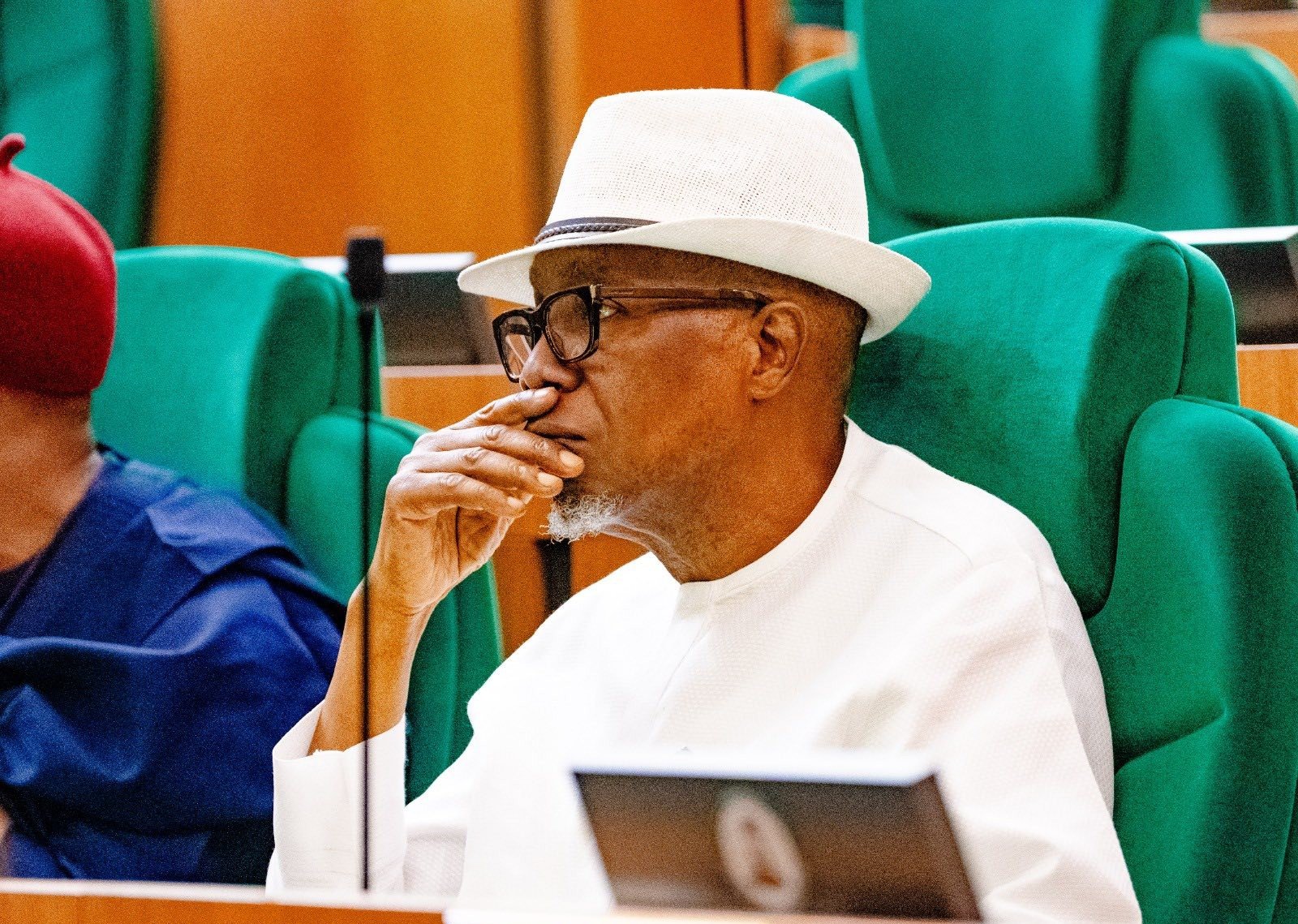
Members serve four-year terms, elected through a first-past-the-post (simple plurality) system. There are no term limits, allowing experienced legislators to serve multiple terms if re-elected. The most recent general election, held in 2023, saw all seats contested.

Leadership and Party Structure
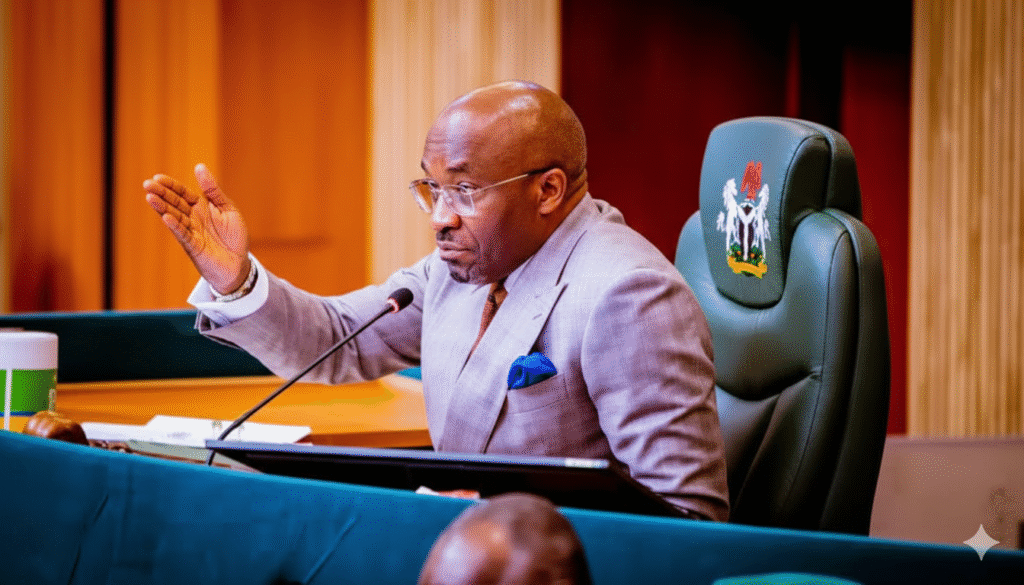
The House is presided over by the Speaker, who is elected by members from within their ranks. Since June 2023, Rt. Hon. Abbas Tajudden holds this position. The Deputy Speaker, Benjamin Kalu and eight Principal Officers, Majority and Minority Leaders, their deputies, Chief and Deputy Chief Whips form the core administrative and political leadership. Party caucuses, led by Majority and Minority Leaders, drive legislative priorities and manage internal discipline, with Whips ensuring members’ participation in key votes.
Committee System
Given the complexity and volume of legislative work, much of the House’s business is conducted through over 100 Standing and Special Committees. Members are assigned based on their expertise and backgrounds, covering sectors like Finance, Health, Defense, and Judiciary. Committees scrutinize bills, conduct public hearings, perform oversight functions, and investigate government ministries and agencies. They report findings and recommendations to the full House, which then debates and takes final decisions.
Legislative Process: How a Bill Becomes Law
The process for passing legislation in the House is rigorous and multi-staged:
- First Reading: A bill is introduced and its title read aloud. Members receive printed copies for review.
- Second Reading: The principles and merits are debated. If approved, the bill is referred to a relevant committee.
- Committee Stage: The bill undergoes detailed examination, public hearings, and possible amendments.
- Third Reading: The House debates and votes on the final version.
- Harmonization: If the Senate passes a different version, a conference committee resolves discrepancies.
- Presidential Assent: Once both chambers agree, the bill is sent to the President for approval and becomes law upon signature.
Core Functions
The core functions of the house of representatives focus heavily on legislative powers, checking executive authority and handling national funds. These are:
Lawmaking
The House introduces, debates, and passes federal legislation, shaping national policy and governance.
Oversight and Investigation
The House monitors the executive branch through its committees, ensuring government agencies and ministries comply with the law and manage public resources responsibly. It has the power to summon officials, audit finances, and investigate allegations of corruption or mismanagement.
Power of the Purse
No government expenditure can occur without legislative approval. The President submits the annual Appropriation Bill (federal budget) to the National Assembly. Each ministry and agency must defend its budget before the relevant House committee. The House can amend, approve, or reduce allocations before passing the Appropriation Act.
Conflict Resolution and Good Governance
Beyond core legislative and oversight duties, the House has played a vital role in resolving industrial disputes such as negotiations with labor and professional unions and promoting democratic ideals and good governance.
Qualifications and Elections
To be eligible for election, a candidate must:
- Be a Nigerian citizen
- Be at least 25 years old (following the “Not Too Young To Run” Act)
- Possess at least a Senior Secondary School Certificate (SSCE) or equivalent
- Be a registered member of a political party
Elections are held every four years, concurrently with the presidential election, using the first-past-the-post system. There are no term limits for re-election.
Daily Operations and Parliamentary Culture
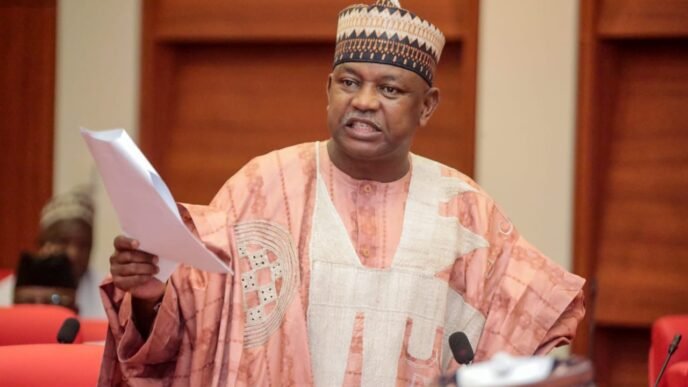
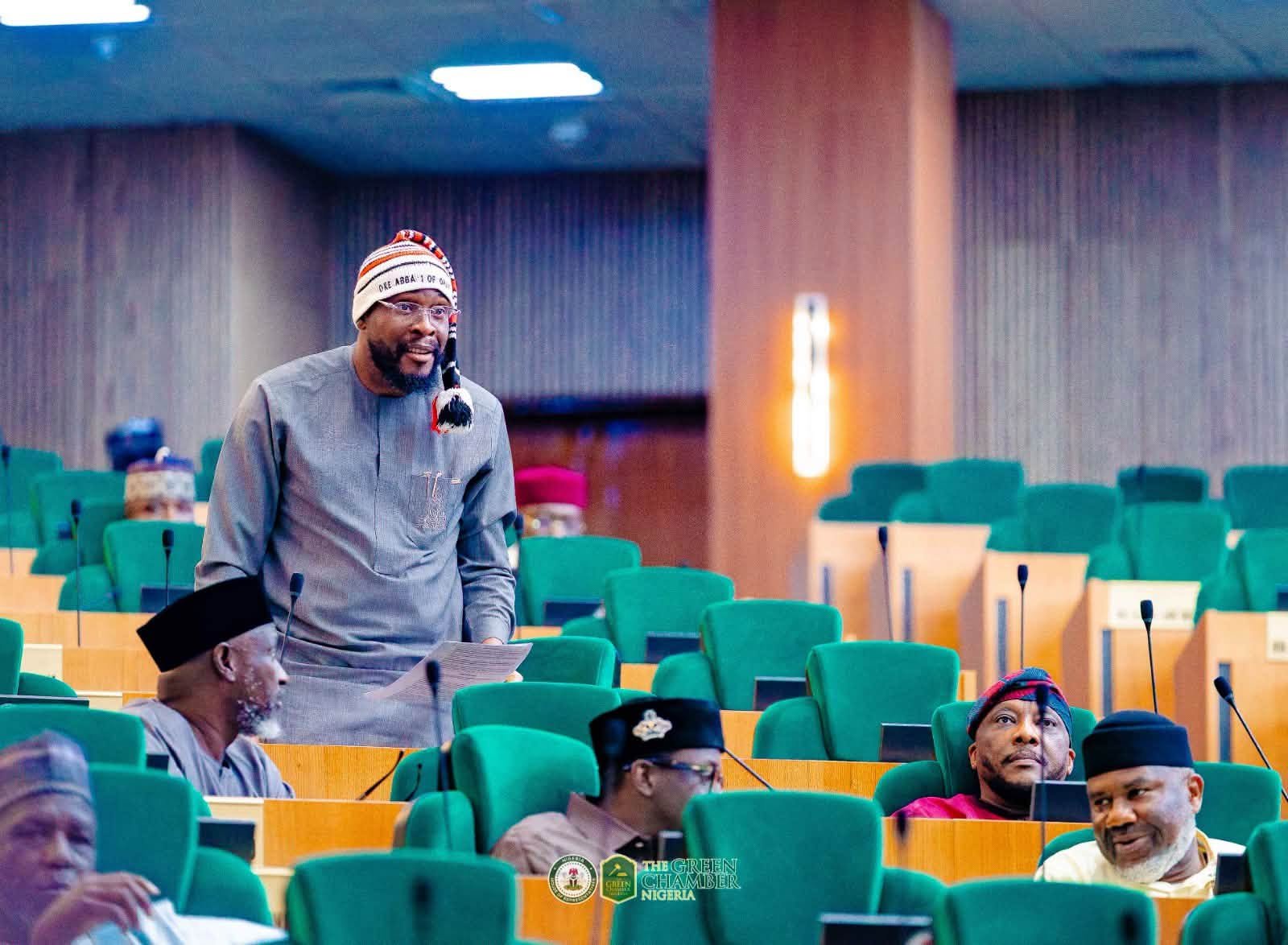
Plenary sessions, where all 360 members convene, are guided by strict rules of order. The Speaker manages debates, enforces standing orders, and ensures decorum. Every morning, members receive an Order Paper detailing the day’s agenda. Votes are often by voice, but critical decisions may require a formal count.
Most substantive work, however, is done in committees, where bills are reviewed in detail and oversight investigations are conducted. Committees frequently invite civil society, technical experts, and the public to hearings, fostering transparency and public participation.
Conclusion
The Nigerian House of Representatives stands as a cornerstone of the country’s democratic process. Through its robust legislative, oversight, and representative functions, the Green Chamber plays a crucial role in maintaining the balance of power, safeguarding public interest, and advancing good governance across Nigeria.