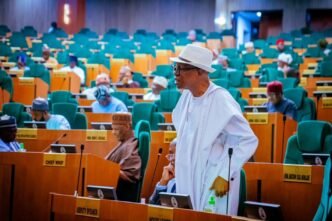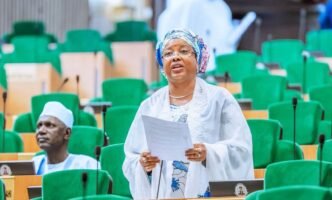

On Thursday, October 30, 2025, Hon. Folorunsho Adegbesan initiated a significant motion aimed at improving the conditions of inmates in Nigerian correctional centres by engaging them in farming activities. During the session, he highlighted alarming statistics regarding inmate nutrition and food security, emphasizing the urgent need for reform.
The motion underscored that in many African nations, the diets provided in correctional facilities contribute to widespread malnutrition among inmates. This has led various courts across the continent to raise concerns about the inadequate frequency, quantity, and quality of food served, deeming it cruel, inhumane, and degrading.
With approximately 11 million individuals currently incarcerated worldwide, Nigeria alone hosts 84,741 inmates, comprising 82,821 males and 1,920 females. In response to this situation, Adegbesan noted that several countries have successfully implemented sustainable food programs in their correctional facilities, enhancing nutrition and overall well-being for inmates.
The legislator cited positive examples from across Africa, including a prison in Mozambique that produced one ton of potatoes in 2017 for internal consumption and distribution to other facilities. Botswana introduced irrigation farming in 2025 to counter drought impacts, while Tanzania equipped 126 prisons with environmentally friendly stoves to minimize fuel usage. In Mauritius, a fish processing plant was launched within a prison in 2024, and Namibia utilized hydroponic systems to boost food security in its female correctional facility. Additionally, the Ghana Prisons Service has been training inmates in modern agricultural techniques to align their practices with internationally recognized standards.
Hon. Adegbesan expressed deep concern about how inadequate access to food not only compromises the inmates’ immune systems but also heightens their vulnerability to infectious diseases. He referenced findings from the World Health Organization (WHO), stating that proper nutrition is crucial for the physical and mental health of inmates, directly impacting their successful rehabilitation and reintegration into society upon release.
In light of these findings, Adegbesan proposed that implementing farming initiatives in correctional centres could enhance food security, improve nutrition, and foster sustainable agricultural practices. The motion resolved to urge the Federal Ministry of Agriculture and Food Security, along with the Nigerian Correctional Service, to develop and execute policy measures aimed at engaging inmates in farming activities. The motion further mandated the Committee on Interior and Reformatory Institutions to ensure compliance, with a report due within four weeks for further legislative action.
This initiative represents a crucial step towards not only improving the living conditions of inmates but also promoting sustainable agricultural practices in Nigeria.