On July 22, 2026, the Senate passed for second reading, a groundbreaking bill designed to bring transparency, accountability, and centralized coordination to all foreign aid, grants, and donor-funded projects across the Federal Republic of Nigeria.
The proposed legislation titled the Foreign Assistance, Grants, Donations, Humanitarian Support and Concessional Financing Management Bill, 2026 (SB. 1034) is sponsored by Senator Ibrahim Hassan Dankwambo (PDP, Gombe North). The bill seeks to dismantle the historically fragmented management of development assistance by establishing a unified legal framework for donor tracking, mandatory public disclosure, and strategic alignment with national priorities.
While acknowledging the vital role international partners play in sectors like healthcare, education, and agriculture, Senator Dankwambo emphasized during the floor debate that Nigeria’s current handling of foreign aid suffers from a lack of cohesion and public visibility.
Donor funded projects are often scattered across various Ministries, Departments, and Agencies (MDAs), sometimes executed outside the national budget framework, duplicated, or misaligned with our national development goals, noting that these inefficiencies undermine both project impact and public trust.
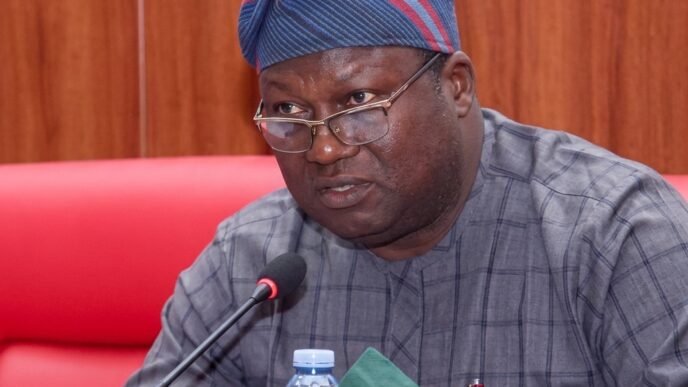
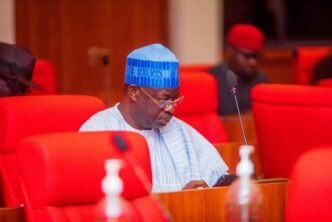
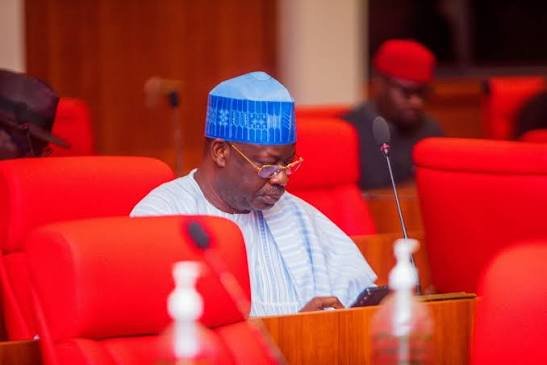
Senator Ibrahim Dankwambo.
Key Provisions of the Bill
Based on Sections 80 to 85 of the 1999 Constitution (as amended) and in accordance with the Fiscal Responsibility Act of 2007, the bill sets forth substantial structural reforms aimed at strengthening legislative and public oversight:
Mandatory Registration & National Database: Requires all foreign aid, grants, and concessional loans to be registered in a centralized national database.
Public Disclosure & Budget Integration: Mandates full public transparency regarding disbursement schedules, project outcomes, and audit reports, ensuring foreign aid is fully integrated into national budget planning.
National Donor Coordination Framework: Establishes a synchronized framework built within existing government institutions to eliminate duplicate projects across MDAs.
Strict Penalties: Introduces statutory sanctions for the diversion or misuse of aid funds, false disclosures, non-registration, or execution of unapproved donor projects.
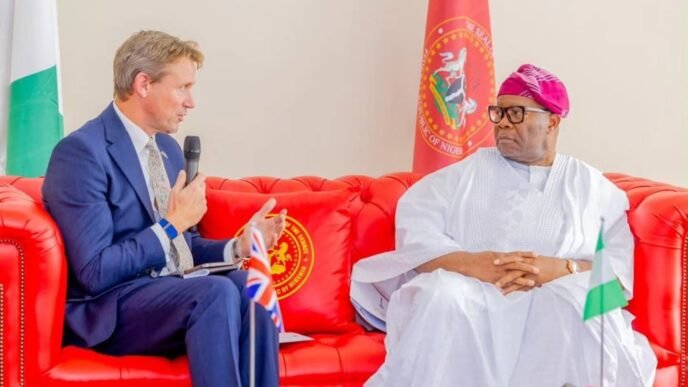
In his closing remarks, Senate President Godswill Akpabio highlighted the critical security dimension of tracking external funding sources, pointing to Nigeria’s ongoing fight against insurgency.
If there was no oxygen, Boko Haram would not be existing.
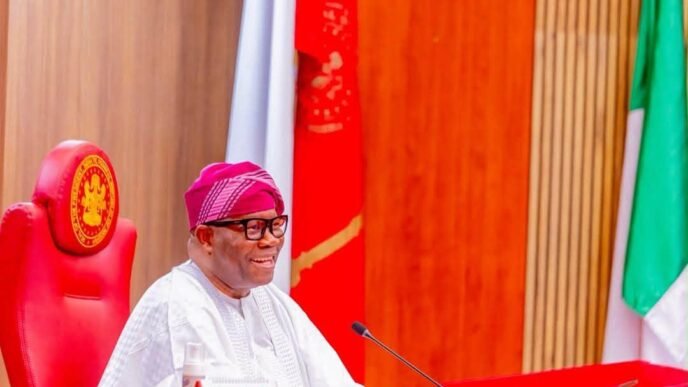
Senator Godswill Akpabio.
Senate President Akpabio emphasized that closer scrutiny of foreign aid and non-governmental organizations (NGOs) is necessary to safeguard national security and guarantee that all incoming support serves the public interest.
Following its successful second reading, Senate President Akpabio referred the bill to a joint committee comprising the Senate Committees on National Planning and Economic Affairs, Finance, and Foreign Affairs. The committee has been directed to conduct further legislative work and submit its report within six weeks.
The Senate remains committed to enacting robust legal frameworks that enforce fiscal discipline, build public confidence, and ensure every international development dollar yields measurable, lasting benefits for the Nigerian people.