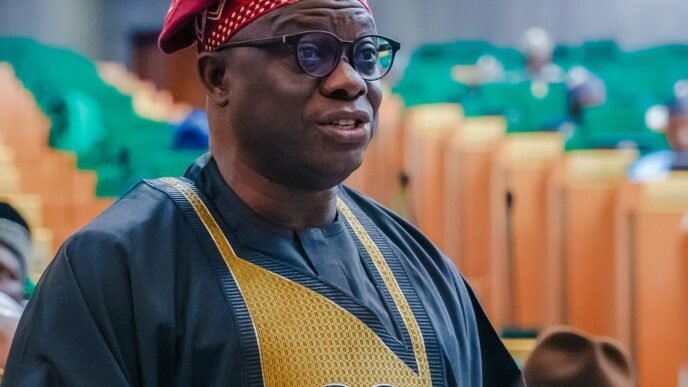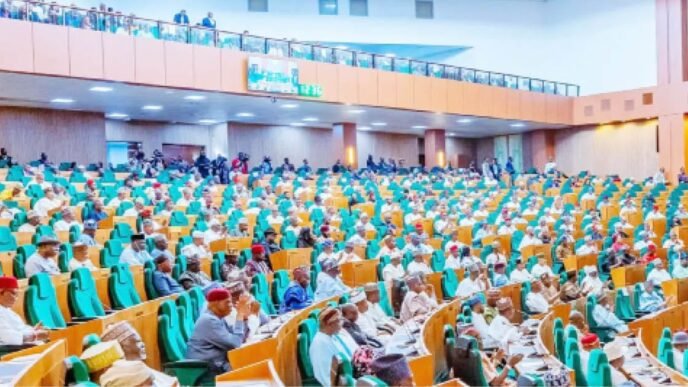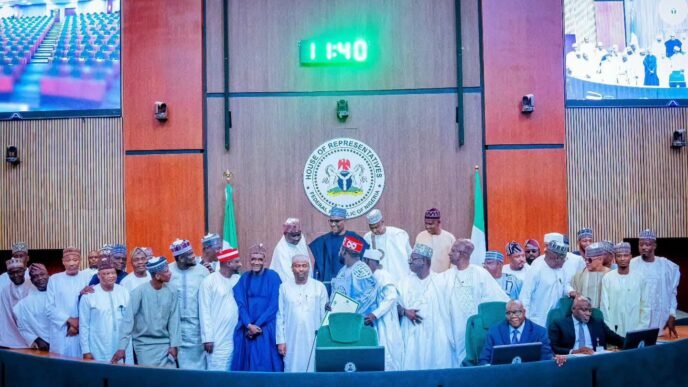
In a decisive bid to choke off the financial lifeblood of kidnapping, banditry, and terrorism, the House of Representatives has adopted a sweeping motion calling for immediate executive action to dismantle Nigeria’s booming ransom cash economy during the plenary session on Wednesday, July 8, 2026.
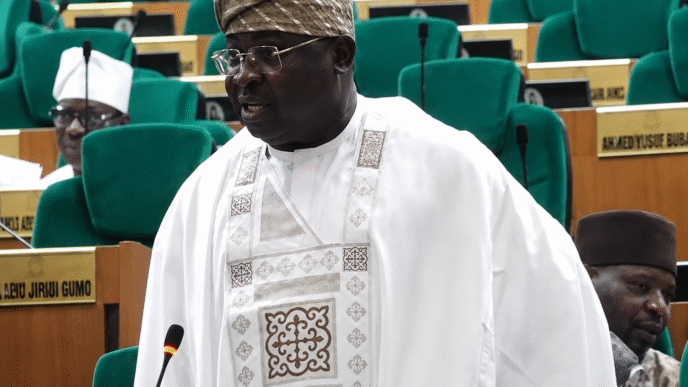
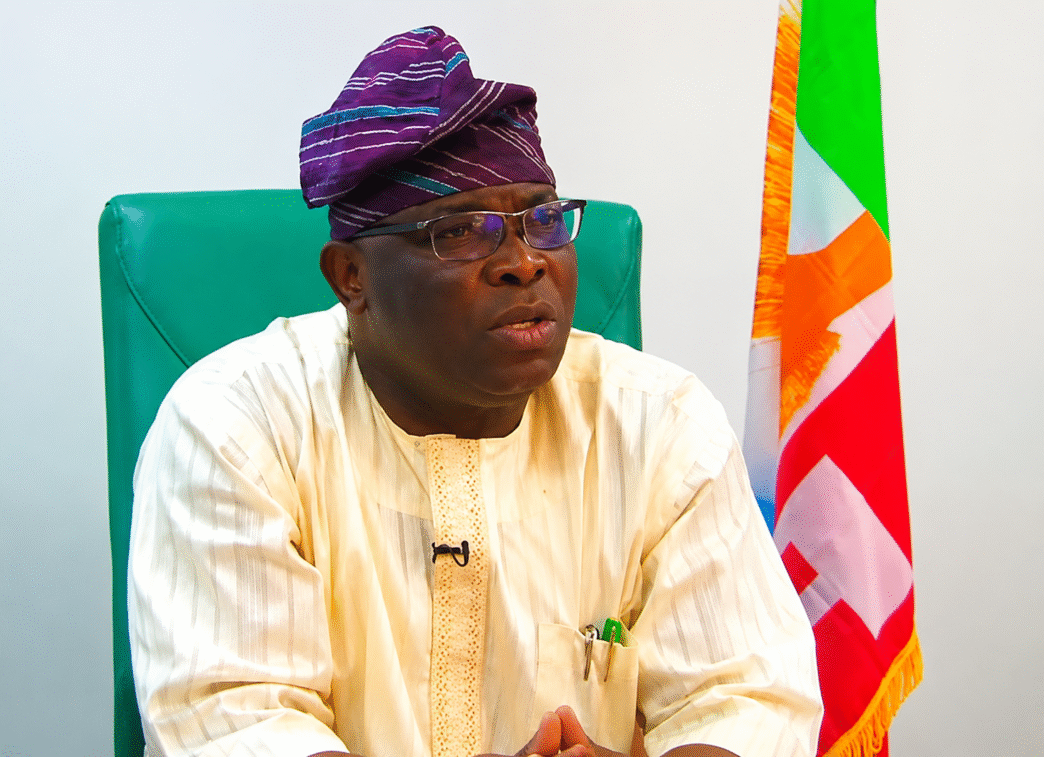
The motion, sponsored by Hon. Ademorin Ali Kuye, reveals a staggering security crisis: reports from the Nigeria Financial Intelligence Unit (NFIU), the National Bureau of Statistics (NBS), and independent security researchers show that Nigerians paid an estimated ₦2.23 trillion in ransom between January 2021 and June 2025 alone.
A deeply concerning trend highlighted by the House is the weaponization of everyday financial tools. Investigations by the National Counter Terrorism Centre (NCTC), under the Office of the National Security Adviser (ONSA), confirmed that criminal networks are actively exploiting Point-of-Sale (POS) operators and other retail financial channels to handle ransom payouts and erase their financial trails.
Beyond retail agents, syndicates are utilizing a complex web of formal and informal systems to launder their dirty money. This includes Bureau De Change (BDC) operators, informal hawala networks, cryptocurrency platforms, trade-based money laundering, and even livestock transactions to seamlessly reintegrate ransom proceeds into the legitimate economy.
Warning that these structural vulnerabilities expose Nigeria to severe international backlash and prolonged Financial Action Task Force (FATF) grey-listing, the House passed a series of hard-hitting resolutions targeting the loopholes:
- Urged the President to immediately set up a coordinated inter-agency framework to specifically disrupt ransom financing networks.
- Directed the Central Bank of Nigeria (CBN) and the NFIU to launch a comprehensive audit of suspicious POS transactions in high-risk areas, with strict regulatory punishments for complicit operators.
- Mandated real-time monitoring mechanisms for transactions linked to kidnapping and banditry, alongside much tighter oversight of BDC operators.
- Urged the Federal Ministry of Finance to deploy modern transaction monitoring and advanced analytical infrastructure to track illicit flows as they happen.
- Called on the Attorney-General of the Federation and law enforcement agencies to aggressively investigate and prosecute any individuals or corporate entities found to be facilitating these transactions.
Hon. Ademorin Ali Kuye stated that “The primary responsibility of government is to protect lives and safeguard our economic sovereignty. We cannot allow criminal networks to weaponize our financial systems against our citizens.”